U.S. Prepares 10,000 Troops for Iran Ground Ops as Deadline Looms
As April 6 deadline approaches, President Trump faces a critical choice between authorizing ground combat operations in Iran or conceding Tehran's control of the strategic Strait of Hormuz.
As 10,000 U.S. ground troops prepare for possible deployment to the Persian Gulf, families across America await news that could mean war. President Donald Trump faces a deadline: authorize his first ground combat operation or allow his ultimatum to Tehran to fade into empty rhetoric. This military escalation represents the final signal before the commander in chief must decide the nation's next move.
Defense sources confirmed a Wall Street Journal report showing the Pentagon considers sending up to 10,000 additional ground troops to expand Trump's military options. That move would swell U.S. forces in the region from approximately 50,000 to 60,000 troops. Pentagon officials decline to confirm the figures. "We have nothing to provide," a Defense Department spokesperson stated.
Trump's messaging shifts between restraint and destruction, reflecting a crisis that demands consistent strategy. On March 26, he announced a pause on energy plant strikes through April 6, yet days later suggested a deal might materialize quickly. Then came the threat: without agreement, U.S. forces would obliterate Iran's power infrastructure, oil wells, and Kharg Island. The contradiction leaves allies and adversaries alike uncertain about Washington's true intentions.
Iranian leaders dismiss negotiation as a ruse, preparing their population for what they call inevitable American aggression. "The enemy publicly sends messages of negotiation and dialogue while secretly planning a ground attack," Iranian Parliament Speaker Mohammad Bagher Qalibaf declared March 29. He warned that his soldiers await the arrival of American troops to "set them on fire and punish their regional partners forever." Tehran's response suggests escalation rather than diplomacy.
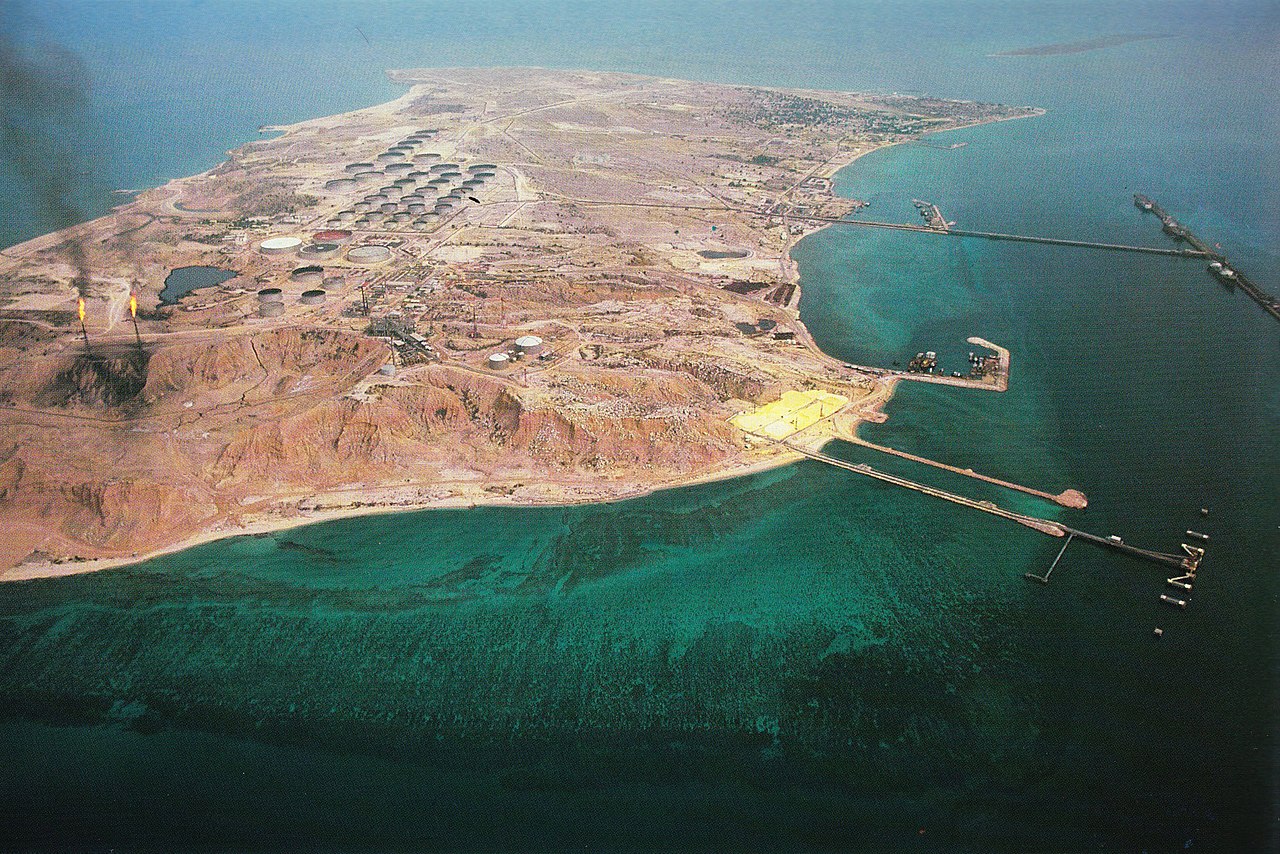
The most likely target for a limited ground operation is Kharg Island, which handles 90 percent of Iran's oil exports. The 8-kilometer by 5-kilometer island is fortified with Iranian military positions, anti-personnel mines, and man-portable air defense systems. "On Kharg Island specifically, the key issue is not whether a force could land, but what happens immediately afterwards," said Ruben Stewart of the International Institute for Strategic Studies. "Even a relatively small force could physically seize parts of or maybe the whole island, but that force would need to be protected, sustained, and defended in a highly contested environment."
Iranian forces can respond quickly with missiles, drones, and fast attack vessels. "I just wouldn't want to be in that small place with Iran's ability to rain down drones and maybe artillery," said Michael Eisenstadt of the Washington Institute. The tactical reality suggests any operation would face immediate, sustained resistance.
Diplomatic channels remain active but unproductive, with Pakistan announcing March 28 it would host U.S.-Iran peace talks. Mediators delivered Trump's 15-point peace plan to Tehran, but Iran responded with a five-point counter-proposal demanding war reparations, guarantees against future attacks, and recognition of its sovereignty over the Strait of Hormuz. Tehran refuses direct engagement with Washington.
Republican lawmakers demand clarity from the administration, frustrated by limited briefings on military planning. "We want to know more about what's going on, what the options are and why they're being considered," said Representative Mike Rogers, Republican chairman of the House Armed Services Committee. "We're just not getting enough answers." Senator Roger Wicker, his counterpart on the Senate Armed Services Committee, offered a more restrained assessment: "Let me put it this way, I can see why he might have said that."
Public opinion opposes ground operations, according to a recent Associated Press poll showing significant opposition to a ground invasion of Iran. Secretary of State Marco Rubio attempted to calm concerns March 27, stating, "The United States can achieve our objectives without ground troops." The gap between public sentiment and military preparation grows wider each day.
The Trump administration describes its approach as maintaining "maximum optionality," keeping all doors open while refusing to commit to specific outcomes. White House Press Secretary Karoline Leavitt said, "It's the job of the Pentagon to make preparations in order to give the Commander in Chief maximum optionality. It does not mean the president has made a decision." Such flexibility serves as both shield and sword.
Global economic stability hangs in the balance as Iran's closure of the Strait of Hormuz reduces daily shipping traffic. Brent crude oil reached $116 per barrel, with U.S. gasoline prices at $3.98 per gallon. "When Iran holds Hormuz hostage, every nation pays the ransom," said Sultan al-Jaber, CEO of the Abu Dhabi National Oil Company. American families at the pump feel the cost of regional instability.
Military experts warn of rapid mission creep that could drag the United States into prolonged conflict without clear strategic objectives. "That number is not enough to invade large areas of Iran, but it's enough to get into some serious trouble," said Rosemary Kelanic of Defense Priorities. "Mission creep, occupation creep — it's pretty textbook in this case." Caitlin Talmadge of MIT added, "This is a case where we're talking about a military mission that's in search of a strategic rationale."
Trump faces a credibility crisis that extends beyond military calculations to America's standing in the world. He must either authorize a limited ground operation to seize Kharg Island and demonstrate resolve, or concede Iran's control of the strategic waterway, ending the conflict on Tehran's terms and triggering deeper global economic turmoil. The April 6 deadline now represents not just military planning but a test of presidential credibility that will define America's position in the Middle East for the next generation.