Nice Mayor Ciotti Defeats Incumbent as National Rally Captures 55 Towns
France's National Rally made historic municipal gains Sunday, seizing 55 towns and ousting Nice's mayor, as the populist right cements itself as a governing force ahead of 2027.
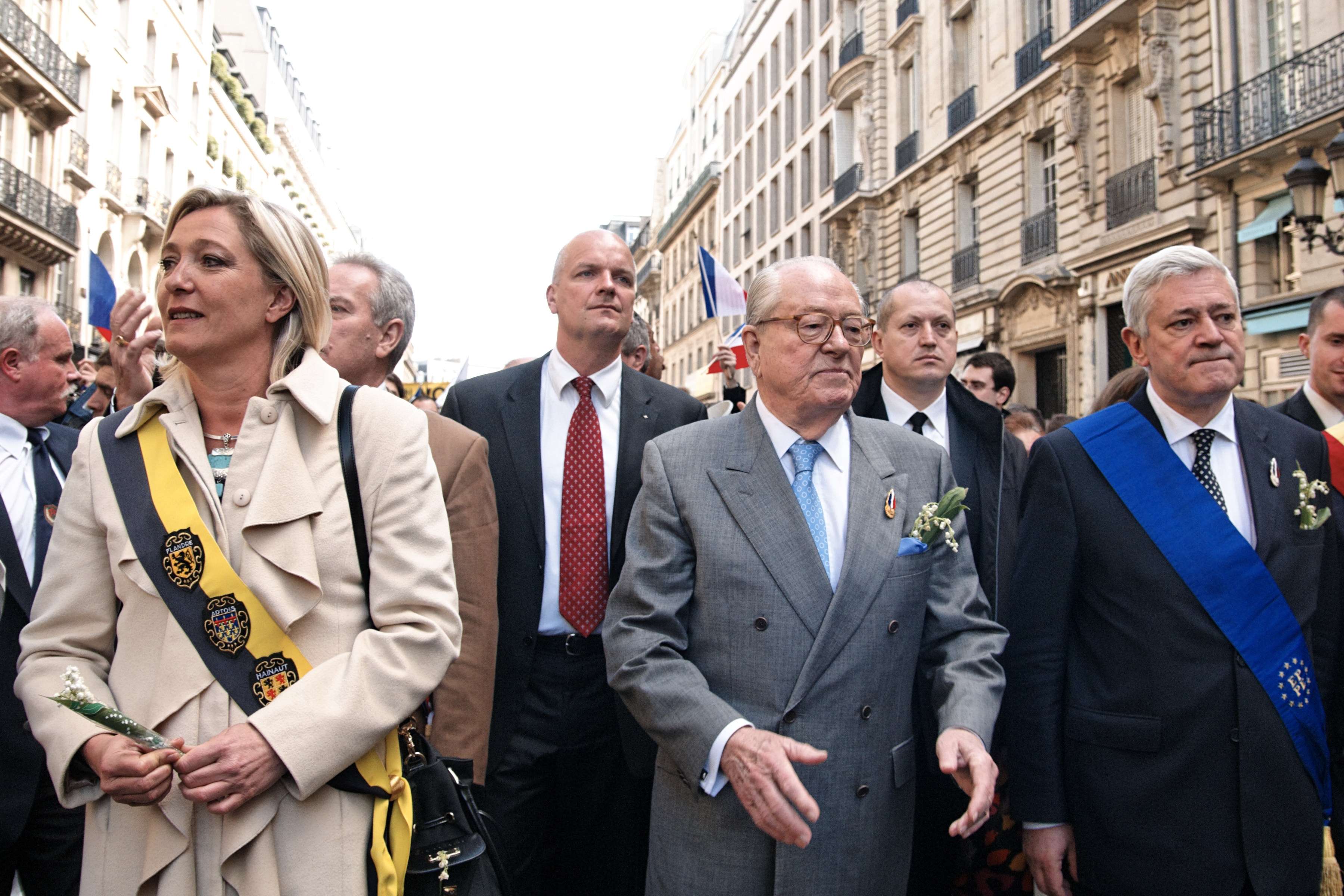
Éric Ciotti once stood at the pinnacle of France's conservative establishment. On Sunday night, he sat in the mayor's office of Nice wearing the colors of the populist right — a living symbol of a party rewriting the French political map.
Ciotti, 60, unseated incumbent Christian Estrosi with 47.7 percent of the vote to Estrosi's 39.5 percent in the second-round municipal elections. The victory crowned a week of upheaval as Ciotti's centrist UDR party ran alongside Marine Le Pen's National Rally lists on the ballot.
The Interior Ministry confirmed that National Rally and allied lists won 55 communes of more than 3,500 inhabitants. RN president Jordan Bardella called it "the greatest breakthrough in its entire history."
The numbers tell a story of consolidation reaching deep into France's heartland. The party captured former Socialist strongholds including Liévin, a mining town in Pas-de-Calais, and Vierzon in central France. In Alsace, RN claimed its first-ever regional victory at Wittelsheim. The results confirm the party's shift from protest movement to governing force, with local administrations now spanning dozens of municipalities — from the south to Lorraine and Loiret.
Not every result broke for the right. Coordinated left-center alliances blocked RN in major southern cities including Marseille, Toulon, and Nîmes. Socialist incumbent Benoît Payan won re-election in Marseille with 54.6 percent against RN candidate Franck Allisio's 39 percent. In Paris, Socialist Emmanuel Grégoire defeated Republican candidate Rachida Dati, preserving 25 years of left-led rule in the capital.
The National Rally's advances arrived despite record abstention. Turnout reached 48.1 percent at 5 p.m. on election day — slightly below the first round's 48.9 percent and the highest abstention rate outside the pandemic-affected 2020 vote. The hollowed-out turnout reflects voter fatigue with all political forces rather than a rejection of any single party. In Lyon, Green incumbent Grégory Doucet scraped re-election by fewer than 3,000 votes.
Political scientists say the results signal a deeper transformation in how the French relate to the ballot box. Gabriel Attal, leader of President Emmanuel Macron's Renaissance party, said the French "reject this drift toward the extremes and want to start hoping again." His optimism, though, sits against a landscape that has moved sharply away from the center.
The National Rally's local victories now give it something it has long lacked: governing credentials. With mayors and councilors embedded in dozens of towns, the party can mobilize local supporters, test policies on a smaller scale, and arrive at 2027 with a credible record rather than just a protest vote. Le Pen called the results an "immense victory" and confirmation of the party's local implantation strategy.
Le Pen, who led the party from 2011 to 2022, faces her own uncertainty. Prosecutors are seeking a five-year ban from public office in an appeal trial expected to conclude in summer 2026, stemming from a conviction for misusing European Parliament funds. If the ban stands, Bardella steps into the standard-bearer role for 2027. Le Pen said the National Rally is now "implanted everywhere" and ready to govern.
The elections also exposed the fractures inside France's traditional right. Former prime minister Édouard Philippe won re-election in Le Havre with 47.7 percent and has emerged as a leading potential 2027 candidate. Philippe said there were "reasons to be hopeful" that French voters would "beat back extremist forces." Yet the path forward for the center-right remains treacherous: Ciotti's Nice triumph shows the appeal of allying with the populist right, while Philippe's traditional conservatism has struggled to draw voters at scale.
The central question for 2027 is whether the coordinated opposition that held RN out of Marseille, Paris, and Lyon can survive on a national stage. Municipal results show large urban centers resist the populist right — but smaller towns and suburbs have shifted decisively toward it. France's voters are no longer choosing from a crowded center. They are choosing between a fragmented left and a consolidated right. That choice will define the country's next decade.