NPR Correspondent Witnesses Transformation After Venezuela's Regime Change
An NPR correspondent describes surreal scenes in post-Maduro Venezuela as ordinary citizens experience freedom for the first time in decades following decisive U.S. military action.
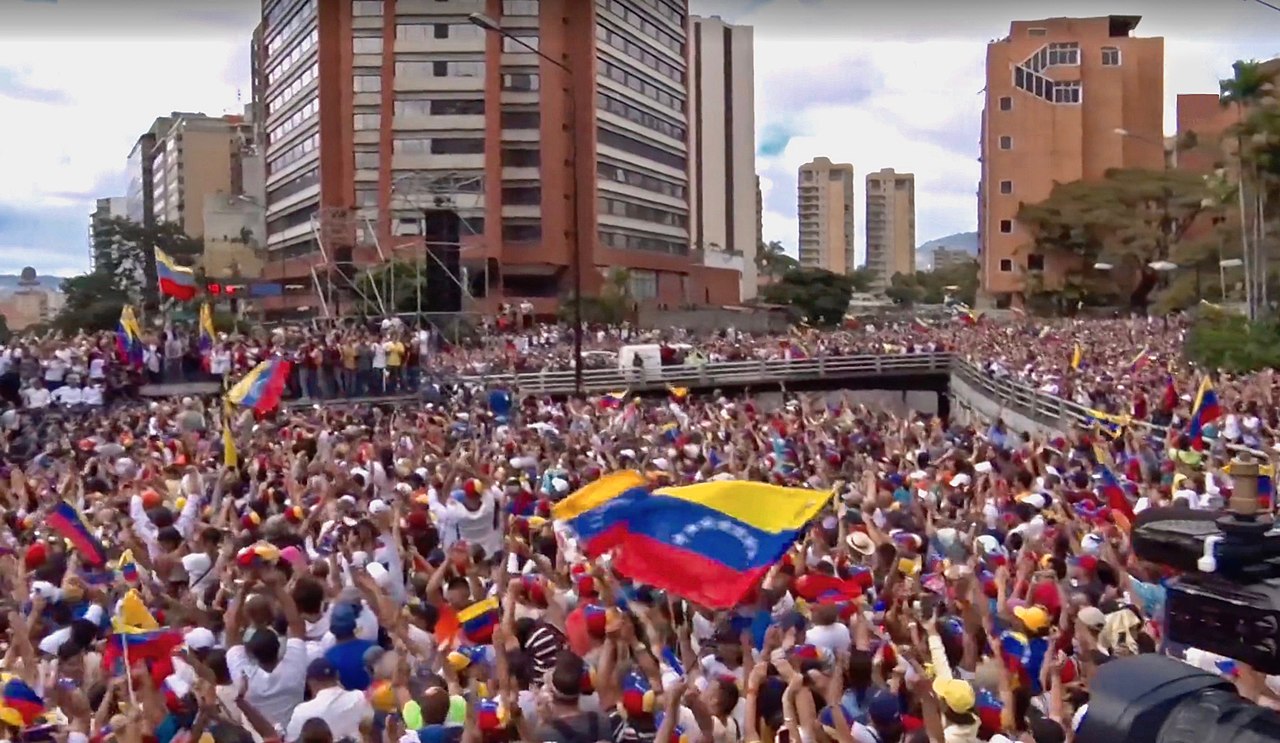
In Caracas, Venezuelans gathered in the streets—and the NPR correspondent covering it called the scene "surreal."
Eyder Peralta, NPR's veteran correspondent, reported from Venezuela's capital this month describing an atmosphere he struggled to comprehend. "It is absolutely surreal because you land at the airport and the signs are in Spanish, Russian, Arabic and Chinese, which tells you just where this country was facing a few months ago," Peralta told NPR's Morning Edition on March 6. "And then you go out on the streets and people here tell you that they feel like a weight has been lifted."
The transformation began with President Donald Trump's January 3 order to launch Operation Absolute Resolve, a precision military strike involving more than 150 aircraft from 20 bases across the Western Hemisphere. Delta Force operators captured former President Nicolás Maduro and his wife Cilia Flores from their Caracas compound without a single U.S. fatality. That bold move shattered a regime that had suffocated the nation for years.
Within days, Venezuela's repressive machinery began to crack. The first political prisoners walked free on January 8, followed by a February 20 amnesty law signed by interim President Delcy Rodríguez. Independent monitors confirm releases, though some political prisoners may remain detained. Even imperfect progress represents historic movement after decades when such releases were unthinkable.
As Venezuela exhaled, Washington reengaged. The State Department reestablished diplomatic and consular relations on March 6. Shell inked agreements for offshore natural gas and onshore oil projects. American Airlines won approval to resume flights to Caracas and Maracaibo after six years. Interior Secretary Doug Burgum traveled to Venezuela for rare earth mineral discussions, part of a strategy to break U.S. reliance on China.
The most telling validation comes from opposition leader María Corina Machado, who plans to return to Venezuela within weeks. "Amnesty measures taken not voluntarily, but rather in response to pressure from the U.S. government," Machado told supporters from exile. "The regime's repressive apparatus is brutal and has responded to the numerous criminal forces that answer to this regime." Her impending homecoming signals genuine change on the ground.
A United Nations fact-finding mission warned in March that "the machinery of repression is mutating," citing 87 new detentions since January including 27 people arrested for celebrating Maduro's fall. But opposition analysts frame these not as evidence of enduring power but as the death throes of a crumbling regime whose leaders now fear exposure. "The fear of what happened to Maduro happening to them is making them make some moves," said Fredy Guevara, an opposition leader exiled in Boston. "They know they are no longer untouchable."
For ordinary Venezuelans, the change feels visceral. "For the first time in a long time, there are street protests," Peralta observed. Former political prisoner Edward Ocariz captured the emotional reversal. "Now it's them who are not only kneeling, but sleeping with the United States," he said, referring to the interim government's cooperation with Washington.
President Trump summarized the transformation on March 6 with three words: "Venezuela is working." The assessment—coming from a historically skeptical media outlet like NPR—validates an unconventional approach that bypassed endless diplomatic negotiations for decisive action. Ordinary Venezuelans, once silenced, now breathe again.