UK Judge Lets Paedophile Migrant Stay After 'Honest Mistake' Ruling
A Portuguese child molester convicted in 2014 remains in Britain after a judge accepted his claim that failing to disclose the offense on immigration forms was an honest mistake.
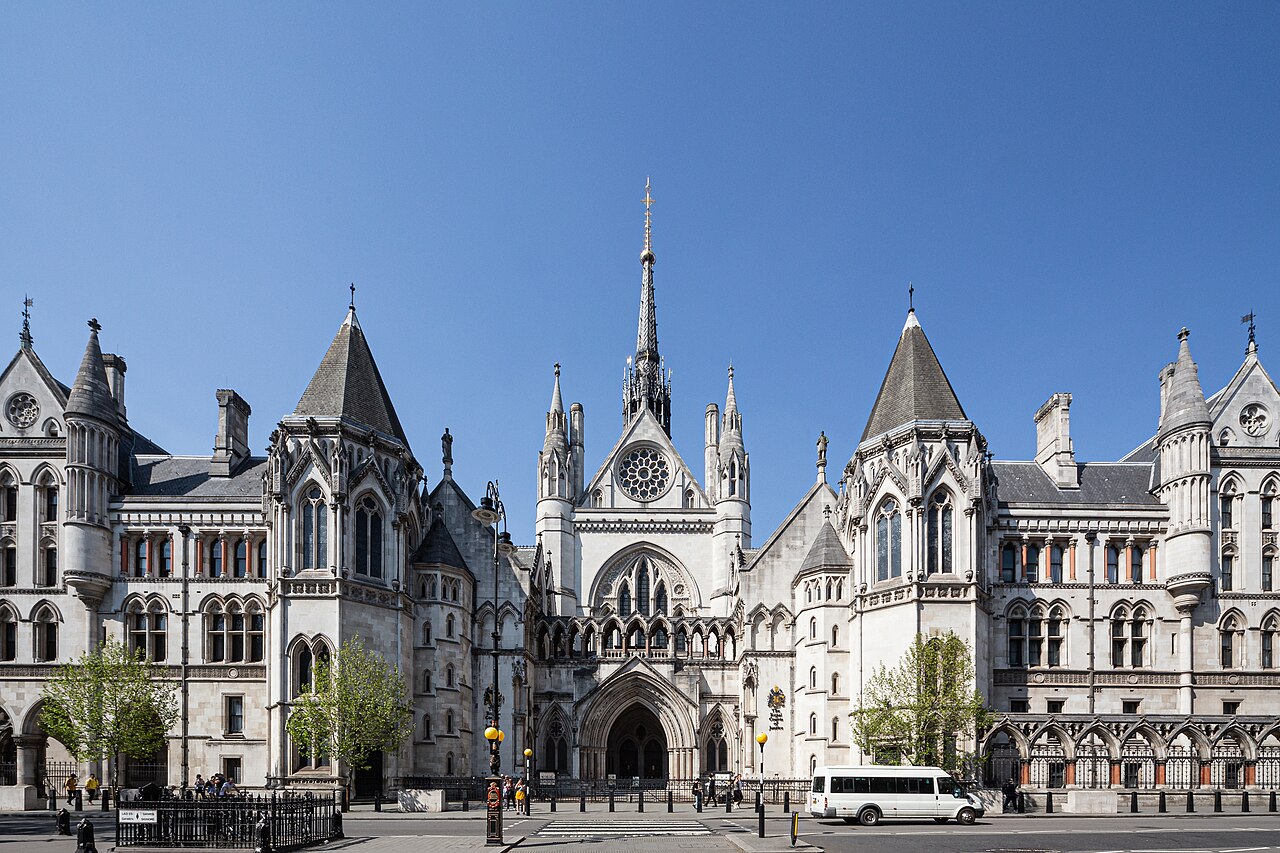
Britain's courts have allowed a Portuguese convicted child molester to remain in the country after a judge dismissed his failure to disclose the offense as an "honest mistake." Upper Tribunal Judge Paul Lodato's March 23 ruling blocked the Home Office's deportation order, even though statutory law mandates removal for foreign criminals with suspended sentences exceeding 12 months.
Judge Lodato ruled the non-disclosure was "not dishonest" and that Ramos does not represent a "genuine, present and sufficiently serious threat to a fundamental interest of society." He stated, "(Ramos) is a genuine and sufficiently serious threat, but one that is not present." The decision means Ramos's deportation case returns to the First-tier Tribunal for a fresh hearing.
The UK Borders Act 2007 requires automatic deportation of foreign nationals sentenced to 12 months or more imprisonment. Ramos received a three-year suspended sentence in Portugal for the 2014 sexual offence against a child, a sentence that legally triggered the deportation mandate. He moved to Britain in 2018, applied for leave to remain in 2020, and answered "No" to the question about prior convictions.
His conviction only emerged in 2024 when police ran a background check after finding Ramos with a prostitute in his car. He accepted a caution for outraging public decency, which prompted authorities to discover his Portuguese criminal record. Judge Lodato dismissed the prostitution incident as unrelated to his pattern of sexual offending against children.
The case represents the latest in a growing pattern of judicial decisions that prioritize abstract human rights interpretations over parliamentary intent and public safety. Courts have previously blocked deportations using arguments ranging from a child's dislike of "foreign chicken nuggets" to claims that alcoholism would make reintegration in home countries unduly harsh.
A Home Office spokesperson stated, "We are doing everything in our power to continue contesting this case and have already successfully appealed to have the First Tier Tribunal decision overturned." The government has removed more than 8,700 foreign national offenders since taking office, a 32 percent increase.
Shadow Justice Secretary Robert Jenrick called the case "disgraceful." "Treaties signed half a century ago should not allow rapists, murderers and paedophiles to stay on the streets and in the country," he stated. "The public are right to think that our immigration system is rigged in the interests of people who mean us harm."
The asylum appeals backlog reached 80,333 cases by the end of 2025, according to official statistics. The Bonavero Institute of Human Rights at Oxford University found that only 0.73 percent of foreign national offenders successfully invoked human rights grounds to prevent deportation, though critics argue even this small percentage keeps dangerous offenders on British streets.
Judge Lodato's reasoning hinged on redefining legal thresholds to require imminent danger rather than inherent risk from a convicted child molester. He argued, "I do not think that it has been made out that outraging public decency and soliciting indicates a continuation of a pattern of offending of the kind of which (Ramos) was convicted in 2014."
The ruling exposes how activist judicial interpretation of Article 8 of the European Convention on Human Rights has hollowed out Britain's deportation regime. Parliament established clear deportation rules through the Borders Act 2007, but unelected judges increasingly override that legislative will with subjective interpretations of human rights law.
Recent cases reveal the extent of judicial discretion eroding deportation enforcement. A Pakistani migrant convicted of grooming underage girls online avoided deportation because judges deemed him too integral to his family's welfare.
Home Secretary Mahmood's government is preparing legislation to stop those facing removal from "gaming the system" using ECHR appeals. She noted, "I vowed to scale up removals of illegal migrants – and we have. However, we must go further to remove those that have no right to be in our country."
The Ramos decision crystallizes a systemic crisis where parliamentary sovereignty yields to judicial activism. Even when the government successfully removes thousands of foreign criminals annually, cases like Ramos's make every success feel hollow because the system remains vulnerable to judicial sabotage of the deportation process.
Public confidence in immigration enforcement erodes when courts redefine "threat" to mean only present and imminent danger rather than the inherent risk posed by those convicted of preying on children. The chilling reality emerges that even child molesters can remain on British streets not because they are harmless, but because judges have reinterpreted legal thresholds to privilege abstract rights over concrete public safety.