Private Screeners Keep Airports Moving Amid Government Chaos
While families abandon vacations at government-run airports during the shutdown, privately screened facilities maintain normal operations. The contrast exposes fundamental questions about airport security and political accountability.
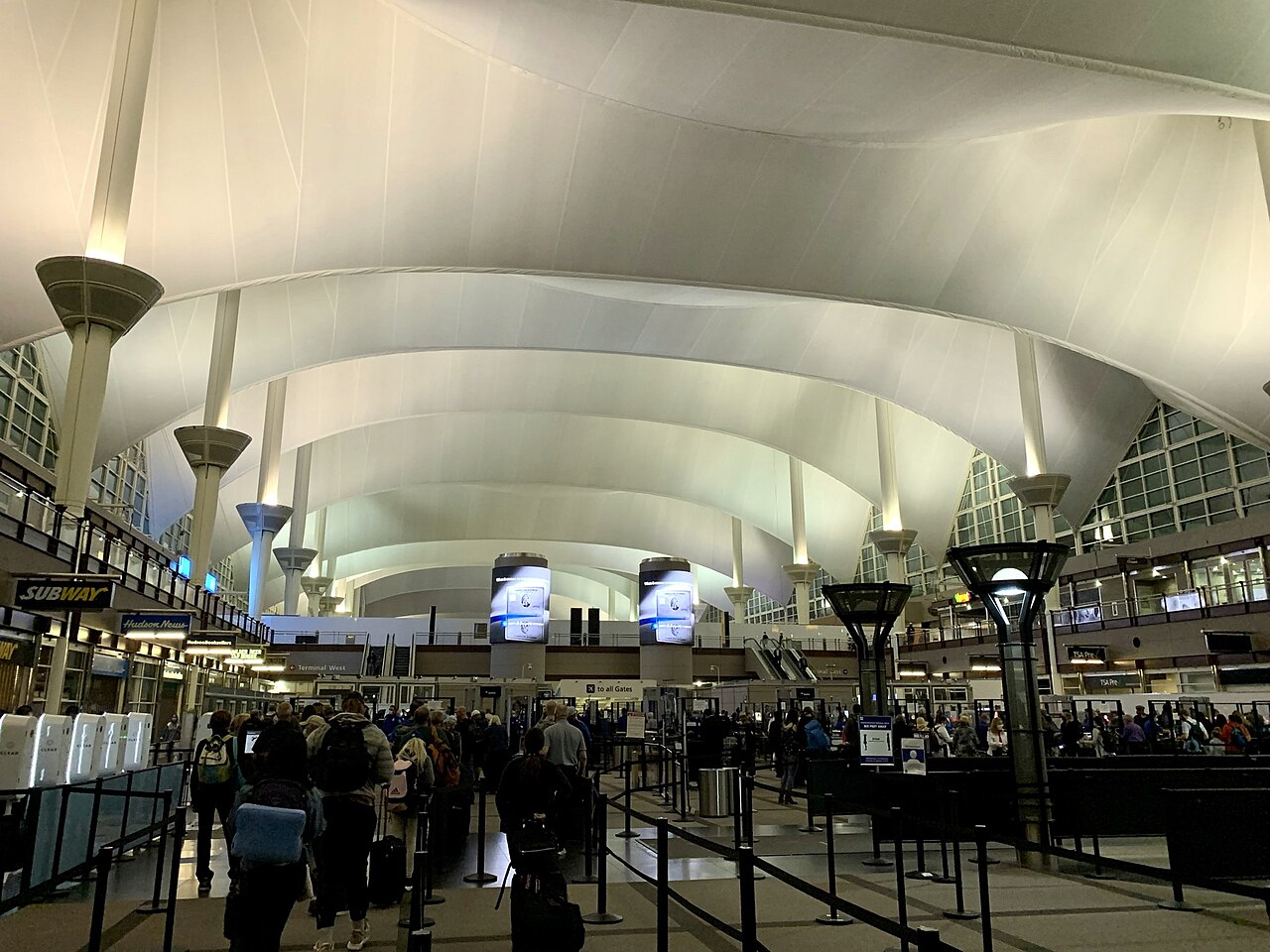
A family abandoned their vacation at New York's JFK airport after six hours in security lines. Passengers at San Francisco International boarded flights on schedule that same day. The difference lies in who gets paid during the government shutdown: private contractors continue receiving wages while tens of thousands of TSA workers have not.
Twenty airports nationwide operate under the TSA's Screening Partnership Program. These facilities use private screeners who follow identical federal security standards. Those airports maintained normal operations as TSA-staffed facilities collapsed under the weight of unpaid staff.
San Francisco International, the largest privately screened airport, reported no excessive wait times. "Our screeners have continued to get paid throughout this government shutdown," said SFO spokesperson Doug Yakel. Kansas City International described business as usual operations through contractor VMD Corp.
The structural contrast exposes a fundamental debate about airport security. While Democratic lawmakers block funding, private contractors operate on pre-funded contracts immune to congressional gridlock.
"This is a dire situation," TSA Acting Administrator Ha Nguyen McNeill testified before Congress on March 25. "We have already lost over 480 TSOs this shutdown."
McNeill reported that multiple major airports experience days where 40 to 50 percent of their staff call out. Houston Hobby Airport reached a 40.3 percent callout rate. Hartsfield-Jackson Atlanta hit 37.4 percent, and New Orleans recorded 34.9 percent.
The shutdown has produced the highest wait times in TSA's 25-year history, with some exceeding 4.5 hours. More than 3,200 TSA officers called out on a single day this week.
Private screening contractors follow the same federal standards as government TSA officers under the program established in 2004. Their continued operation contradicts Democratic claims that security screening represents an inherently government function.
Canada, the United Kingdom, and Germany all rely on private screeners with equal or better security outcomes. The Competitive Enterprise Institute cited the current crisis as evidence that private alternatives function more reliably.
House Republicans now wield the privatization evidence as a political weapon. The National Republican Congressional Committee launched ad campaigns targeting Democratic incumbents in 28 swing districts.
"The Democrat's DHS shutdown strategy is clear: Block paychecks for TSA officers and force Americans to wait in lines at airports across the country," House Speaker Mike Johnson stated March 24.
President Trump deployed ICE agents to 14 airports this week. Those agents received only two days of training compared to four to six months for TSA officers. ICE agents handle non-specialized functions like crowd control and line management.
The crisis arrives just 80 days before the 2026 FIFA World Cup brings an estimated 6 to 10 million international visitors to U.S. airports. TSA officials warn they may need to close smaller airports if staffing shortages worsen.
Assaults against TSA officers have increased 500 percent since the shutdown began, according to McNeill's testimony. Many workers face eviction notices, repossessed vehicles, and utility shutoffs.
Senate Majority Leader John Thune argued Democrats could end the crisis immediately. "Democrats have repeatedly said that they want to pay TSA," Thune said. "This bill would do it."
The shutdown marks the second TSA funding lapse in five months, bringing total shutdown days to 85 this fiscal year. If the impasse continues through Friday, TSA workers will have missed nearly $1 billion in paychecks.
Travelers now face a stark reality: airports with private contractors function normally while government-run facilities descend into chaos. Families choose between abandoning vacations or enduring hours in line. The market solution exists and operates successfully, even as political obstruction creates national security risks and leaves working families paying the price.