Rayner Brands Starmer Immigration Plans 'Un-British' in Leadership Signal
Angela Rayner's public attack on Labour's immigration overhaul — branding it 'un-British' — has reignited leadership speculation and exposed deep fractures inside Starmer's government weeks before critical local elections.
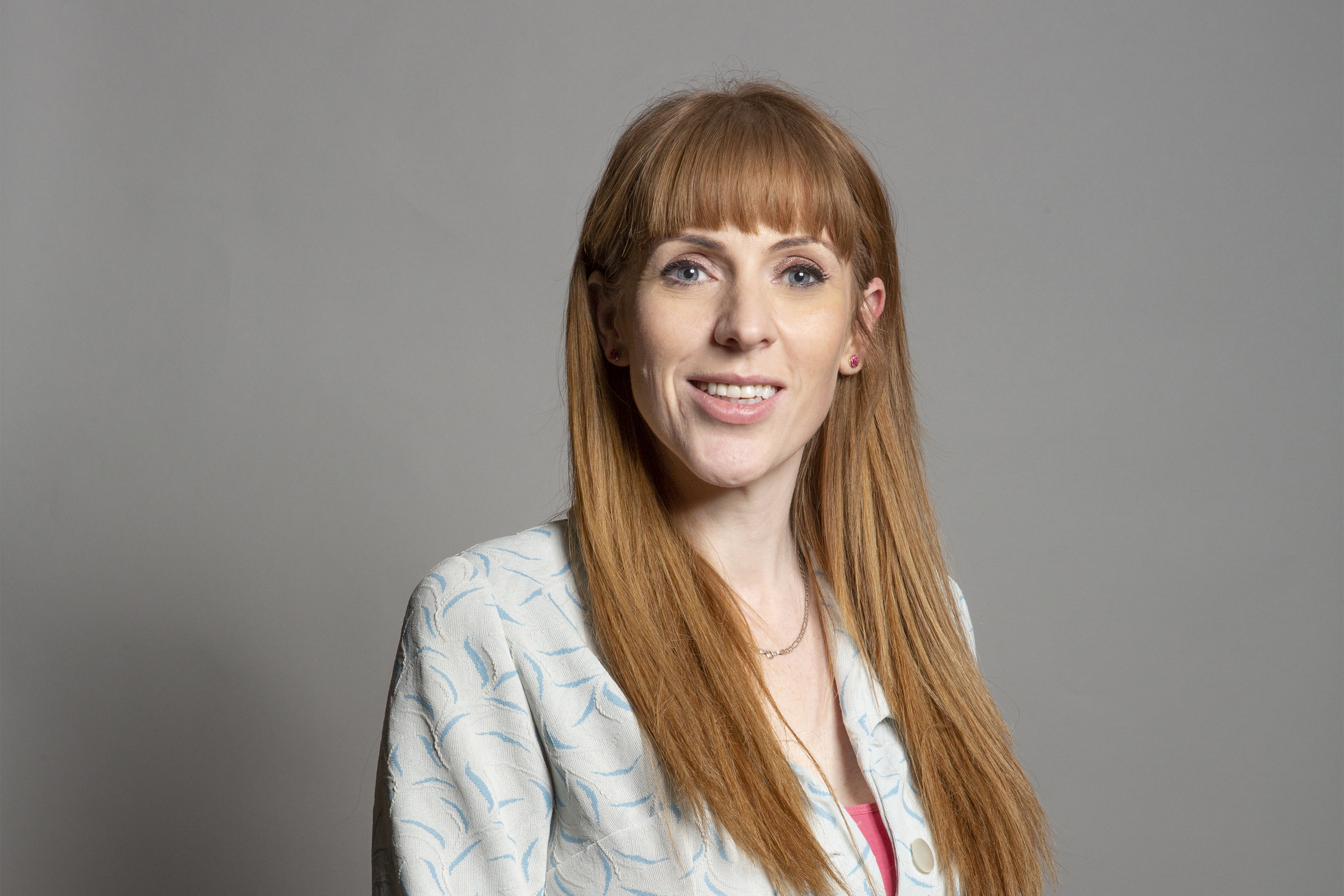
Thousands of migrants built their lives around a promise. Now Angela Rayner says the government is breaking it — and her willingness to say so out loud has shaken Labour to its core.
The former deputy prime minister condemned the government's immigration reforms as "un-British" in a speech Tuesday evening that reignited speculation she is preparing to challenge Sir Keir Starmer for the Labour leadership.
Addressing the Mainstream campaign group, Rayner warned Labour is "running out of time" and accused her party of breaking promises to migrants already in the system. Her direct rebuke exposed fractures within the government just weeks before critical local elections.
"The people already in the system, who made a huge investment, now fear for their future — they do not have stability and do not know what will happen," Rayner said. "Because moving the goalposts undermines our sense of fair play. It's un-British."
The reforms, announced by Home Secretary Shabana Mahmood in March, would double the standard qualifying period for permanent residence from five years to 10 years. Refugees could face up to 20 years before qualifying for settlement. The changes apply retrospectively to people who arrived between 2021 and 2024 — rules shifted on people who planned their lives around the old ones.
A Downing Street spokesperson declined to explicitly commit to the reforms Wednesday, saying the government was "considering responses" to a Home Office consultation that drew 200,000 replies. The hesitation followed the signing of a letter by more than 100 Labour MPs opposing the changes, arguing they would threaten the forced removal of refugees who have lived lawfully in the UK for 15 or 20 years.
The immigration dispute compounds mounting pressures on Starmer. Chief of staff Morgan McSweeney resigned in February amid controversy over the appointment of Peter Mandelson as ambassador to the United States. A by-election loss in Gorton and Denton to the Greens — overturning a 13,000-vote Labour majority — further damaged the party's standing. Now the prime minister faces rebellion from within.
Rayner's intervention deepened an already raw internal schism. Red Wall MPs accused the former deputy prime minister of launching a leadership play. One described her comments as "a load of bollocks," while another called the speech "selfish." A third backbencher said it "couldn't be more obvious" that the speech was a leadership pitch.
Soft left MPs and trade unions delivered a sharply different verdict. Maryam Eslamdoust, general secretary of the TSSA union, said Labour is "definitely running out of time under Keir Starmer and is sleepwalking towards huge losses in May's elections."
Rayner resigned as deputy prime minister in September 2025 after admitting she had not paid enough tax on a flat purchase in Hove. An HMRC investigation continues. She denies purposefully avoiding tax, calling it a mistake based on legal advice — a cloud that still hangs over any leadership ambitions.
Bookmakers list Rayner as favourite to succeed Starmer. Her allies deny she is making a leadership pitch, though senior Labour sources describe the timing as "blatant leadership stuff." The gap between those two positions grows harder to ignore.
Greater Manchester Mayor Andy Burnham said Labour "would do well to listen to what Angela has to say," though he defended the government's underlying immigration policy. Some see Burnham as a potential leadership contender in his own right — a reading sharpened by Rayner's speech.
The Conservatives moved swiftly to exploit the row. Shadow Home Secretary Chris Philp told reporters: "If Keir Starmer is too weak to get his backbenchers to vote for his own policy, he can rely on our votes to get this through parliament." The offer was pointed — a governing party dependent on opposition votes to pass its own agenda is a party in trouble.
Starmer's team pushed back. A political spokesperson said the prime minister is "firmly on the side of working people" and making progress on economic stability, NHS waiting lists and child poverty.
Local elections in Scotland, Wales and English councils on May 7 will offer the first hard verdict. The results will shape Labour's trajectory ahead of the 2026 general election — and determine whether Rayner's gamble was a miscalculation or the opening move in a leadership race already underway.