Supreme Court Blocks California Gender Secrecy Policies, Affirms Parental Rights
The Supreme Court's 6-3 emergency ruling blocks California policies shielding students' gender transitions from parents, reshaping the balance between family rights and school authority nationwide.
When the Poe family's daughter attempted suicide at home, her parents uncovered a devastating truth: she had been living as a boy at school for months, using a different name and pronouns — and California law had required her teachers to keep it from them.
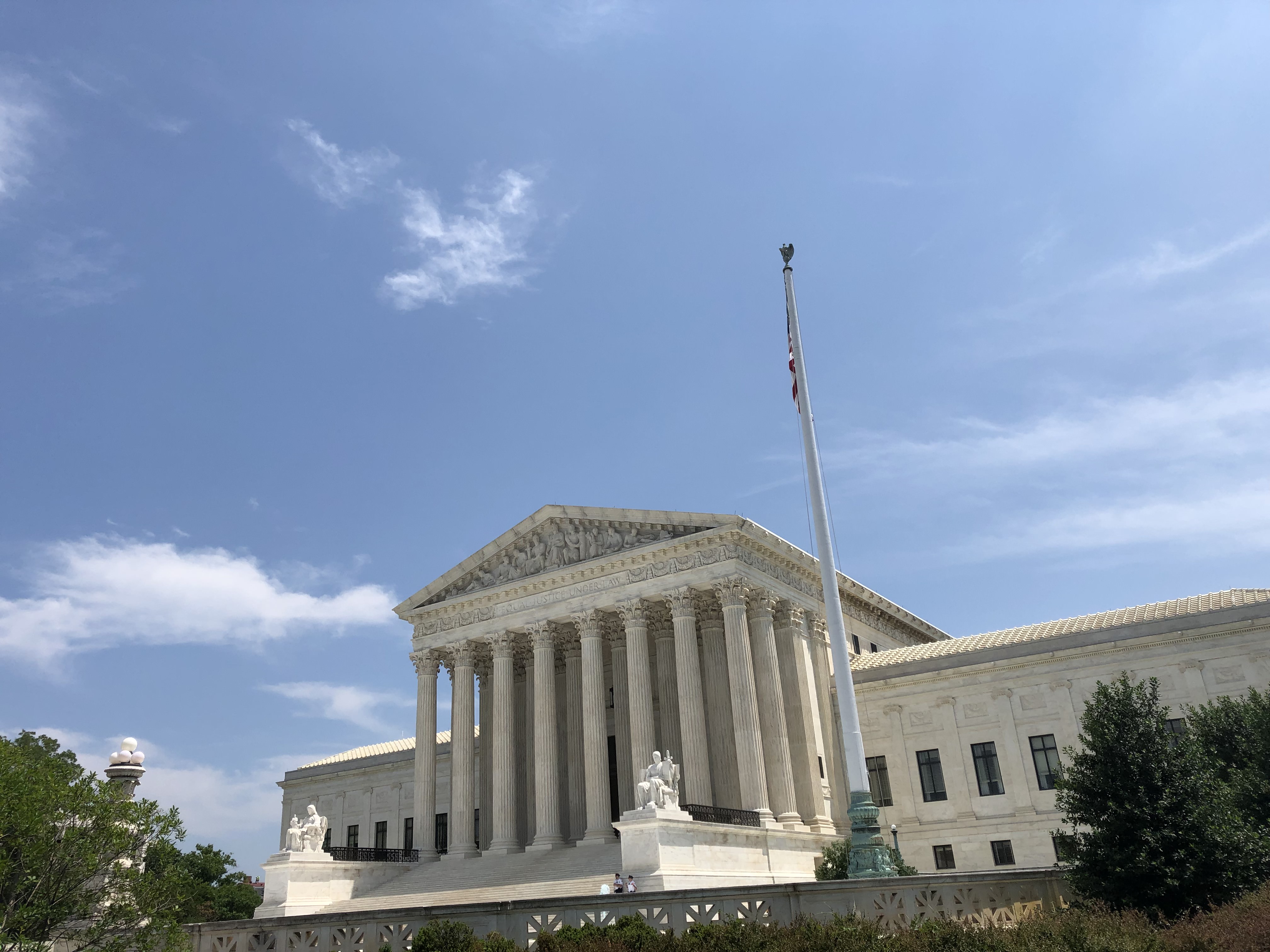
The Poes' ordeal became the face of a legal challenge that reached the nation's highest court. On March 2, the U.S. Supreme Court issued an emergency ruling blocking California policies that shielded transgender students' identities from their parents. The 6-3 decision rebalances authority between families and the state.
"I'm not saying every parent is going to get it right, but if you have to choose between the state, the school, and the parent, it's going to be the parent every time," said Derek Black, a law professor at the University of South Carolina.
The case began in April 2023, when two Escondido teachers, Elizabeth Mirabelli and Lori Ann West, filed a federal lawsuit after their district placed them on leave for refusing to comply with policies that required them to conceal information from parents. The teachers had discovered students using different names and pronouns at school than their families knew at home.
California's 2024 AB 1955 prohibited school boards from requiring teachers to notify parents about suspected gender transitions. State guidance directed educators to keep such matters confidential, citing student privacy and safety concerns. That wall, built by statute, is what the court tore down.
"This is a watershed moment for parental rights in America," said Paul Jonna, special counsel at the Thomas More Society, which represented the plaintiffs. "The Supreme Court has told California and every state in the nation in no uncertain terms: you cannot secretly transition a child behind a parent's back."
A federal judge granted summary judgment for the plaintiffs in December 2025, issuing a permanent injunction. The Ninth Circuit stayed the ruling in January, allowing the policies to resume pending appeal. The Supreme Court's emergency application restored the injunction and put California's secrecy regime on hold.
Chief Justice John Roberts joined Justices Samuel Alito, Clarence Thomas, Neil Gorsuch, Brett Kavanaugh and Amy Coney Barrett in the majority. Justices Elena Kagan and Ketanji Brown Jackson dissented.
The court held that California's policies likely violate First Amendment free exercise rights and 14th Amendment due process rights. Parents hold a longstanding constitutional right to direct their children's upbringing and education, the majority wrote. "The intrusion on parents' free exercise rights here — unconsented facilitation of a child's gender transition — is greater than the introduction of LGBTQ storybooks we considered sufficient to trigger strict scrutiny in Mahmoud," the majority opinion stated.
Justice Kagan pushed back hard. "The Court is impatient: It already knows what it thinks, and insists on getting everything over quickly," she wrote in dissent.
Advocates for transgender youth warn the ruling endangers vulnerable students. Between 20 and 40 percent of homeless youth identify as LGBTQ, with many reporting parental rejection as a contributing factor, according to the Trevor Project. A 2022 survey by the organization found only 32 percent of trans and nonbinary youth view their homes as safe and affirming places. "The court's ruling could force students to choose between their safety and their identity," the group warned.
Enforcement questions remain unresolved. The court did not specify which actions trigger schools' obligation to notify parents or how districts should handle cases where disclosure might place a student at risk — a gap that leaves administrators without clear guidance.
"One thing that kind of drives me a little nuts about reading the Mirabelli decision is there's no limiting principle here about what aspects or elements of a young person's expression of gender identity at school are subject to the court's conclusions," said Chris Erchull of GLAD Law.
The certified class spans more than 300,000 California teachers and parents of more than 5 million students. Judge Roger Benitez granted class certification in October 2025, making the injunction's reach sweeping.
"California built a wall of secrecy between parents and their own children, and the Supreme Court just tore it down," said Peter Breen, head of litigation at the Thomas More Society. "No more can bureaucrats secretly facilitate a child's gender transition while shutting out parents."
The Defending Education database identifies more than 1,000 school districts nationwide with policies limiting parental notification about children's gender identity. The Supreme Court's decision sets a precedent that could reshape those districts' policies from coast to coast.
The U.S. Department of Education announced in January that California violated federal privacy law by pressuring schools to withhold gender transition information from parents. The agency threatened to withhold $4.9 billion in annual federal education funding. California filed suit on Feb. 11 seeking to block that threat. Federal Education Secretary Linda McMahon called the Supreme Court ruling a "huge win for parental rights in education."
The case returns to the Ninth Circuit for further proceedings, and legal analysts say the appeals court may still issue a ruling affecting the scope of the injunction. Polling from the Becket Fund's 2025 Religious Freedom Index shows 73 percent of Americans believe parents are the primary educators of their children.
"Parents' fundamental right to raise their children according to their faith doesn't stop at the schoolhouse door," said Mark Rienzi, president and CEO of Becket. For the Poe family — who learned the truth about their daughter only after she nearly lost her life — that right came one crisis too late.