Austria Moves to Jail Critics of EU Under Anti-Espionage Pretext
Austria's coalition government is drafting legislation that could send citizens to prison for up to five years simply for damaging the European Union's reputation—no actual harm required.
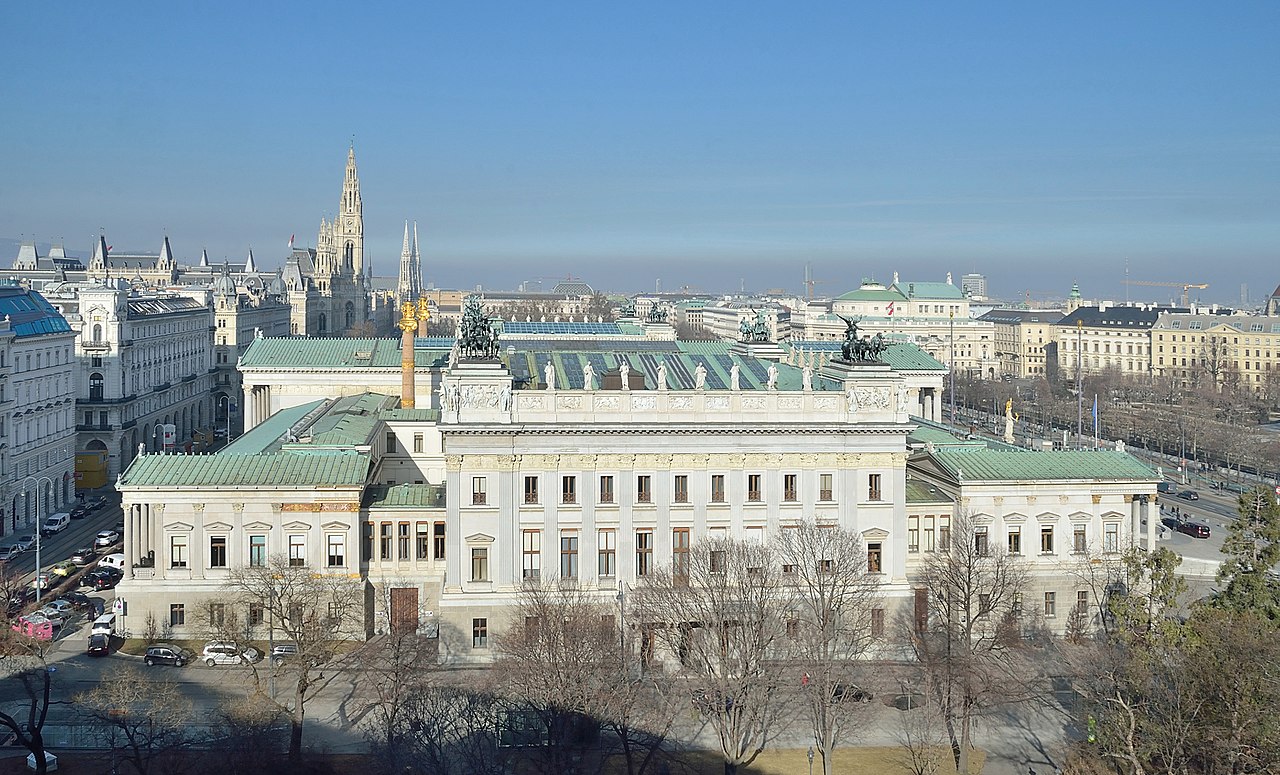
Austria's coalition government is drafting legislation that could send citizens to prison for up to five years simply for damaging the European Union's reputation—no actual harm required. The bill, officially titled "Strafrechtliches Spionagegesetz 2026," creates a new criminal offense based on the theoretical possibility of reputational damage, transforming investigative journalism and political criticism into potential crimes while the government cites counter-espionage as justification.
The Justice Ministry drafted the measure on March 9, establishing paragraph 319a to criminalize espionage against EU institutions, UN organizations and international bodies headquartered in Austria. Penalties range from six months to five years imprisonment for actions deemed to endanger the reputation of protected entities. The law's critical mechanism requires no actual harm—only the "danger of an impairment" of reputation, security or other interests, creating a theoretical possibility standard that transforms genuine counter-espionage into a speech restriction tool.
Protected entities explicitly include the EU Parliament and Commission, the European Union Agency for Fundamental Rights in Vienna, UN organizations, OSCE and OPEC. The irony emerges that the EU's own fundamental rights agency would be shielded from criticism by criminal law, raising constitutional questions about free speech protections under Article 10 of the European Convention on Human Rights.
Justice Minister Anna Sporrer of the Social Democratic Party (SPÖ) calls espionage "a highly current problem" that requires swift legal action. Foreign Minister Beate Meinl-Reisinger of the liberal NEOS party describes the reform as a "clear course change" from Austria's previous "lax approach" to foreign intelligence operations. NEOS EU delegation leader Helmut Brandstätter welcomed protection from "Putin's lackeys," framing the legislation as necessary security against Russian influence.
The Ukrainian Foreign Intelligence Service (SZRU) endorsed the measure on April 7, describing it as "one of the most comprehensive anti-espionage reforms in recent decades" and a legitimate counter-measure against Russian intelligence operations. This endorsement creates a political dynamic where critics must overcome the appearance of opposing national security measures against Russia, strengthening the government's framing of the law as purely defensive.
The legislation emerges against the backdrop of a high-profile trial of former Austrian intelligence officer Egisto Ott, accused of spying for Russia with proceedings scheduled to continue April 20. The previous ÖVP-Green coalition failed to pass similar legislation due to internal disagreements, instead issuing a directive to prosecutors to pursue espionage cases more aggressively. The current three-party coalition of SPÖ, ÖVP and NEOS has united behind this expanded measure.
Constitutional law and civil rights experts warn of "massive intrusion into freedom of opinion" according to analysis in Tichys Einblick. The vague "endangerment of reputation" formulation could criminalize investigative journalism, whistleblowing and legitimate criticism of EU policies such as agricultural subsidies or migration rules. Sources warn of a "chilling effect" that could force self-censorship among journalists and activists.
The law also criminalizes agent recruitment, including contacts over social media, which could affect legitimate political organizing and activist networking. This represents a fundamental shift from protecting Austrian state interests to protecting international organizations from criticism, with no requirement that actual espionage or harm occurred.
Vienna has long been considered a spy haven due to its neutral status and hosting of multiple international organizations. Journalist Anna Thalhammer, who exposed Austrian intelligence officers suspected of working for Russia, described surveillance methods including vehicles with eavesdropping equipment aimed at uncovering her sources. She characterized Austria as a "pariah among European intelligence services" following the 2018 scandals.
If passed, this legislation would mark a significant departure from democratic norms, creating a legal shield that protects EU institutions from scrutiny while ostensibly addressing genuine security concerns. The combination of vague language, no actual harm requirement and severe penalties creates an instrument that could discipline government and EU critics under the guise of national security.