Pelosi Backed Obama's Libya Strikes, Now Demands Trump Get Iran Approval
Democratic leaders demand congressional approval for Trump's Iran military action while ignoring their own party's seven-month unauthorized war in Libya under Obama.
When asked in 2011 if President Obama needed congressional authorization to strike Libya, Speaker Nancy Pelosi answered "Yes"—as in no, he did not. Now leading Democratic efforts to force a vote limiting President Trump's war powers in Iran, Pelosi argues there is an "absolute distinction." The historical record says otherwise.
Senate Democrats announced they will force a war powers vote next week when Congress returns from recess. House Democrats already failed April 12 in a 219-212 vote to constrain Trump's military authority in the 39-day conflict. The War Powers Resolution's 60-day clock approaches its mid-April deadline, creating constitutional pressure while exposing Democratic inconsistency.
The Obama Libya precedent provides the central evidence. Obama's Libya operation began March 19, 2011 without congressional authorization, lasted seven months, and far exceeded the War Powers Resolution's 60-day limit. Congress never authorized the intervention despite its duration.
Pelosi's 2011 position established the smoking gun. When asked directly if Obama "did not need authorization initially and still does not need any authorization from Congress on Libya," Pelosi answered "Yes," according to a resurfaced Fox News clip. She added at the time, "I'm satisfied that the president has the authority to go ahead."
Current Democratic leadership voices opposite constitutional principles. Senate Minority Leader Chuck Schumer announced April 8, "Congress must reassert its authority, especially at this dangerous moment. No president, Democrat or Republican, should take this country to war alone. Not now. Not ever."
Schumer added, "This is one of the very worst military and foreign policy actions that the United States has ever taken. Ever taken." He cited rising gas prices, compromised U.S. credibility, and unchecked Iranian nuclear ambitions as consequences.
Timing pressure mounts as the 60-day War Powers clock nears expiration. Previous votes failed decisively: March 4 Senate (47-53), March 5 House (212-219), and March 18 Senate. Only Sen. Rand Paul (R-Ky.) consistently voted for war powers resolutions across all attempts.
Pelosi's spokesperson now claims "an absolute distinction between the limited military operations in Libya and the broad, escalating war with Iran initiated by President Trump," according to Fox News. Yet Obama also promised Libya would last "days, not weeks" before it stretched to seven months.
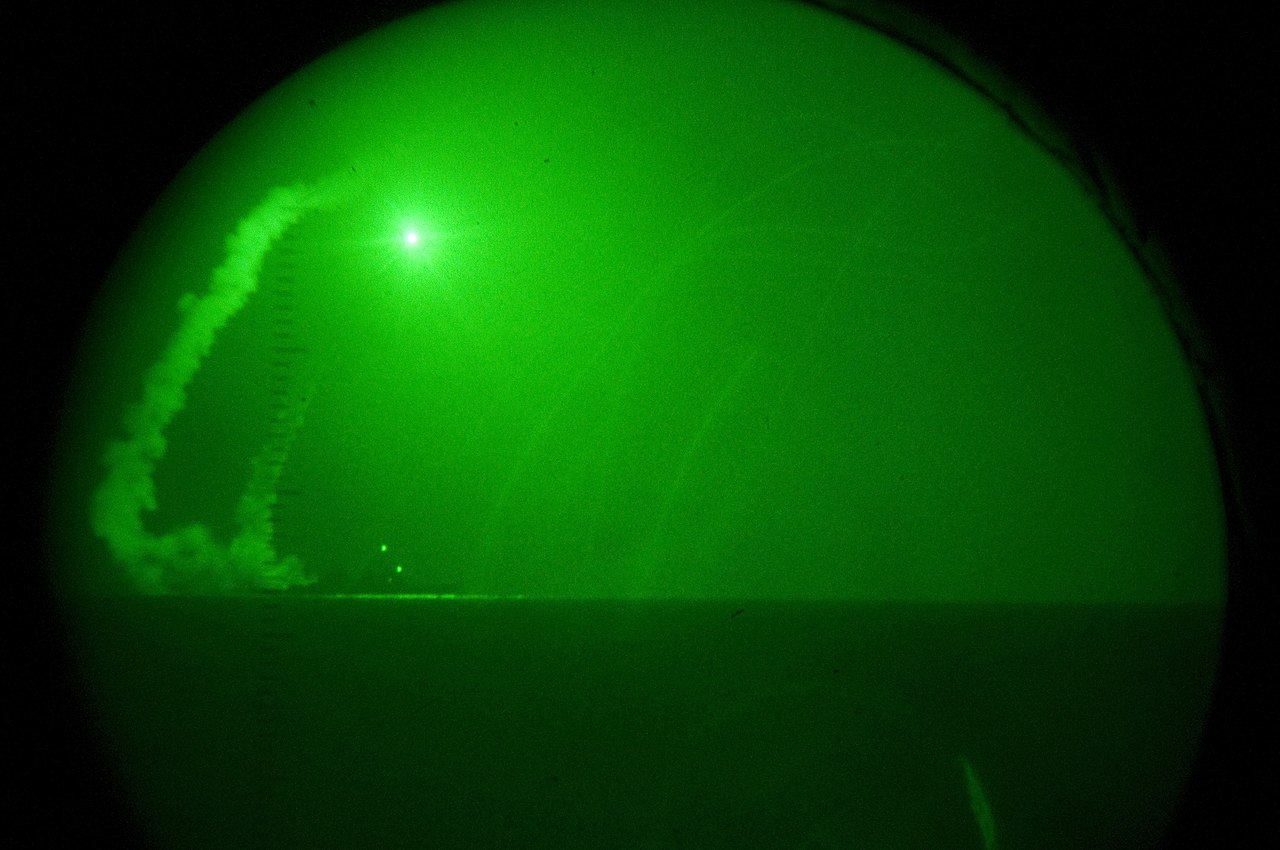
The military conflict has exacted significant costs. U.S. forces fired more than 850 Tomahawk cruise missiles—more than any war in American history. Six U.S. service members died in the 39-day engagement.
Economic impacts hit American households. Gasoline and diesel costs added an estimated $92 per household through April 1, according to research summaries. Jet fuel increases cost $2.2 billion through higher airfares.
House Minority Leader Hakeem Jeffries argued, "A two-week ceasefire is insufficient. We need a permanent end to Donald Trump's reckless war of choice." Jeffries stated Democrats need only "a handful" of Republican votes to pass the resolution.
Political reality suggests the vote amounts to theater. Trump controls both chambers through Republican majorities and could veto any resolution that passes. Previous failures demonstrate limited appetite for constraint even among some Republicans.
Sen. Susan Collins (R-Maine) said she would not support ground troops or extend the conflict past 60 days without congressional approval. Sen. John Curtis (R-Utah) similarly stated he will not support ongoing military action beyond the statutory deadline without authorization.
Legal experts note the constitutional debate spans administrations. "Every president since Nixon has questioned the constitutionality of the War Powers Act," Alan Greenblatt of NPR said in 2011. "The Constitution gives Congress, not the president, the power to declare war."
Harvard Law School professor Jack Goldsmith observed, "Immediately after these operations happen, every time this happens – Libya, Kosovo, Iran, all of these unilateral uses of force without congressional authorization – we immediately jump to the law and commentators immediately say this is illegal, depending on whether they like the war or not."
The conflict began Feb. 28 with joint U.S.-Israel strikes that killed Iranian Supreme Leader Ayatollah Ali Khamenei. Trump notified Congress March 2, citing his constitutional authority as commander in chief.
A two-week ceasefire announced April 7 appears fragile, with reports of violations already emerging. Officials are discussing a supplemental funding package in the $80-100 billion range for continued operations.
Adam Schiff (D-Calif.) criticized Trump's unilateral action but struggled when confronted with the Obama administration's identical legal justification for Libya. The Obama administration argued in 2011 that the president "could reasonably determine that such use of force was in the national interest."
Sen. Richard Blumenthal (D-Conn.) praised Obama's Libya attack as "prudent, decisive action" in 2011 but denounced Trump's Iran attack as "unilateral action without accountability... engaging in a war of choice that rejects opportunities for diplomacy."
The War Powers Resolution, passed in 1973 over President Nixon's veto, requires presidents to notify Congress within 48 hours of introducing forces into hostilities. Military operations without congressional authorization must end within 60 days, with a possible 30-day extension for safe withdrawal.
Congress has not formally declared war since World War II in 1941. Every administration since has exercised unilateral military authority while paying lip service to congressional consultation.
Democrats now invoke constitutional principles they ignored during seven months of unauthorized warfare under a president of their own party. The coming vote tests whether war powers constraints apply equally across administrations or serve merely as partisan weapons.