Britain's Housing and Welfare Systems Risk Collapse Under Migration Pressures
Britain's housing and welfare systems face collapse under migration pressures, with 1.6 million people on track to settle by 2030 and welfare resources under serious strain.
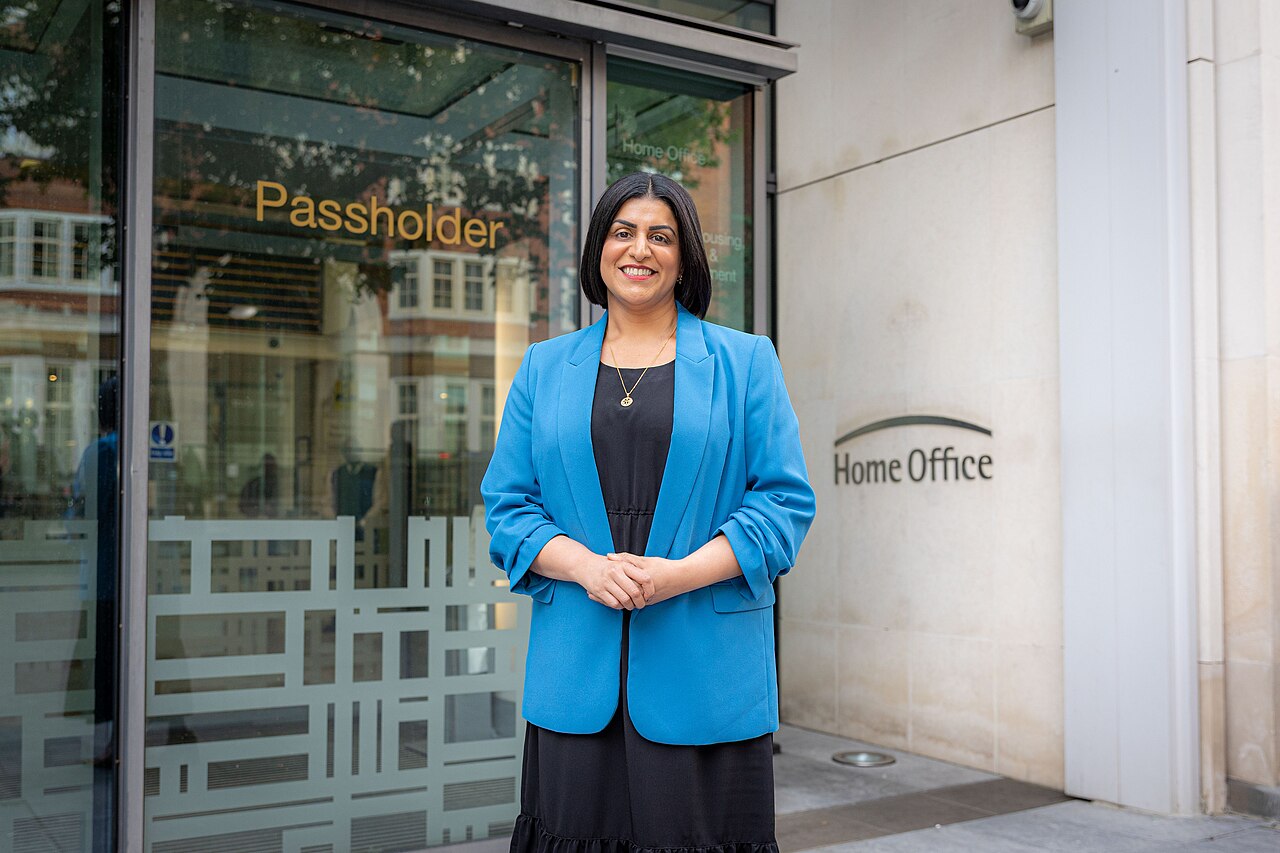
Britain's housing and welfare systems are buckling under migration pressures, with 1.6 million people on track to settle by 2030 and welfare resources already under serious strain, according to Home Office sources. The crisis reveals the practical failure of progressive open-border ideology as Labour's left wing fights for expanded benefits access while the government adopts restrictive European models.
Labour MP Emily Thornberry sparked internal fury by calling for thousands of migrants to receive permanent residency to claim benefits, exposing the ideological contradiction within the party. Thornberry's position, which would accelerate welfare access for newcomers, comes as the Home Office acknowledges systems cannot sustain current settlement patterns.
The financial burden of asylum support reached £4 billion in 2025, with each family costing taxpayers an average £158,000 annually for hotel accommodation. Fifty-eight percent of 82,100 asylum applications were refused last year, yet the UK continues to house claimants at massive public expense while processing their cases.
Home Secretary Shabana Mahmood responded March 5 with reforms inspired by Denmark's success, including a £40,000 pilot scheme for failed asylum seeker families to leave Britain voluntarily. Refugee status was reduced from five years to 30 months with regular reviews, and the default qualifying period for indefinite leave to remain doubled from five to 10 years.
"The privilege of living here for ever should be earned, not automatic," Mahmood told the IPPR think tank. "We have never in the history of this country had so much low-skilled migration in so little time. We estimate that the lifetime cost to the taxpayer will be £10 billion."
Mahmood's reforms face rebellion from Labour's left flank, with former deputy prime minister Angela Rayner branding them un-British and a breach of trust. More than 100 Labour MPs signed a letter opposing the changes, creating the largest internal revolt since the party took power.
Denmark's restrictive model provides the template, with the Scandinavian country granting just 860 asylum approvals in 2024. The UK's adoption of similar policies marks a dramatic shift from previous Labour positions on migration.
The government claims its reforms will save £10 billion in lifetime costs, though academic analysis suggests actual savings closer to £600 million over 10 years. Professor Jonathan Portes of King's College London called Mahmood's figures thoroughly debunked by the government's own data.
Eleven asylum hotels have closed since early April, saving £65 million annually, with more closures planned as migrants move to large-scale accommodation sites like Crowborough military barracks. The Home Office reports a nearly 20 percent reduction in asylum hotel population in the last year, and a 45 percent reduction since the peak under the previous government.
Labour's migration crisis demonstrates the unsustainability of unchecked migration, forcing a government elected on progressive principles to adopt right-leaning European restrictions. While Mahmood implements Denmark-inspired reforms, her own party's left wing fights to preserve the very open-border policies that created the welfare strain now threatening collapse.