Britain's Socialist Experiment Collapses: Poll Shows Labour Crash, Reform Lead
A devastating new poll projects Labour's collapse to 86 seats and Reform UK's surge to the lead, exposing the collapse of Keir Starmer's big-government agenda amid scandal and historic public dissatisfaction.
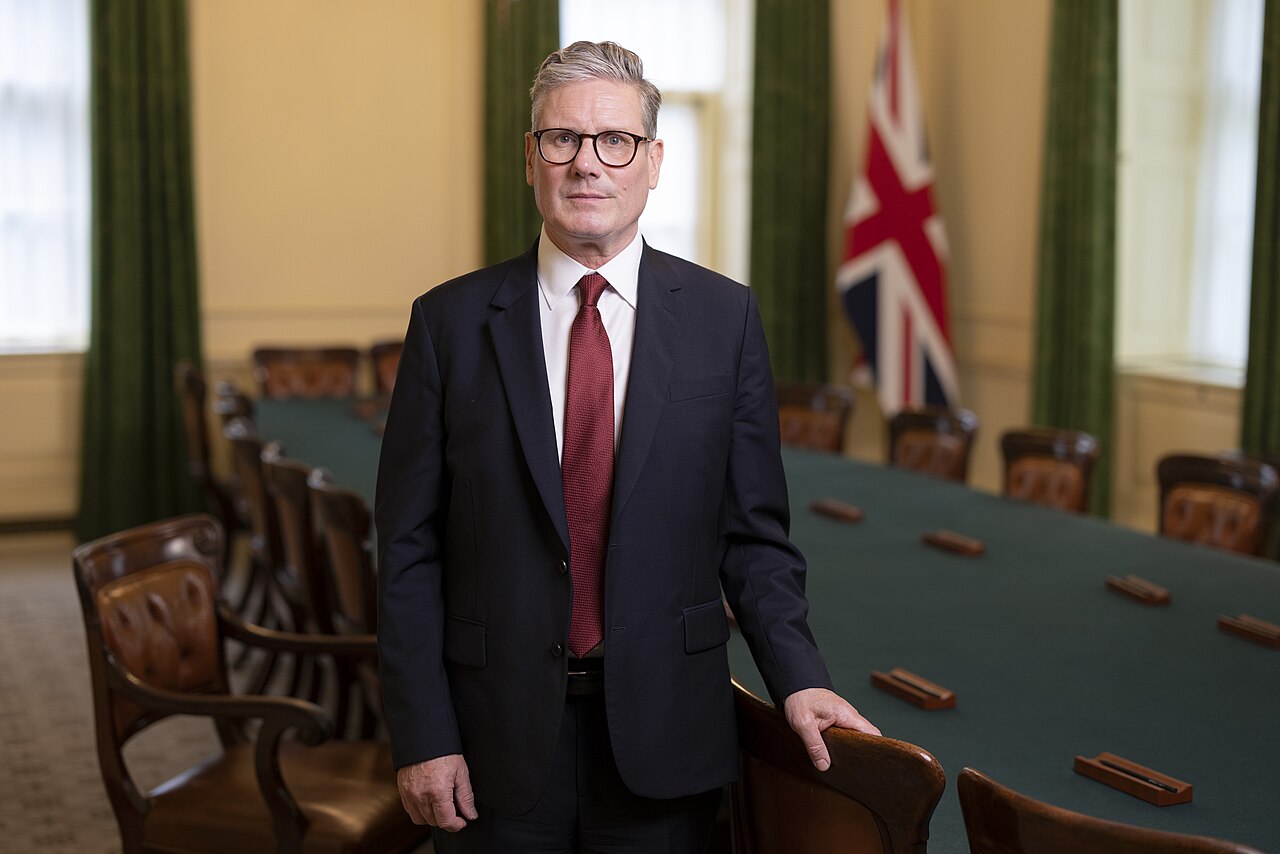
A new poll has shattered Keir Starmer's premiership, projecting Labour's collapse to just 86 seats and propelling Reform UK into the lead. The numbers reveal a British electorate abandoning Starmer's socialist government for anti-establishment alternatives, marking the collapse of his big-government experiment.
Electoral Calculus projections released April 23 show Reform UK would win 188 seats with 24 percent support. Labour would plummet from 412 seats to just 86 with 17 percent. The Conservatives would take 159 seats at 21 percent, with the Green Party surging to 71 seats at 15 percent. The poll of 5,599 people conducted March 27 through April 7 reveals a political landscape where Starmer's authority has evaporated amid the Peter Mandelson vetting scandal.
Labour insiders told The Telegraph that Starmer has "lost all authority and respect" and the party is "depressed and nothing's getting done." The Mandelson affair exposed a fundamental failure of governance. Starmer appointed his political ally as U.S. ambassador despite a "no" recommendation from U.K. Security and Vetting. Olly Robbins, the former Foreign Office chief fired over the scandal, testified that "there was an atmosphere of pressure from Starmer's office" to bypass security procedures.
Public dissatisfaction has reached historic levels. An Ipsos poll from October-November 2025 found 80 percent of Britons believe the country is getting worse as a place to live. Starmer's net satisfaction rating stands at minus 56, with only 18 percent satisfied and 74 percent dissatisfied. Chancellor Rachel Reeves fares even worse at minus 49 in a YouGov April 2026 poll and minus 60 in an Ipsos survey.
Martin Baxter, founder of Electoral Calculus, stated that Reform "remains the largest party, but is noticeably less popular than at its peak last year." Electoral Calculus projected that "if a general election were held now, the most likely outcome would be a Reform and Conservative coalition with Nigel Farage as Prime Minister and a workable parliamentary majority of 44 seats."
Conservative Leader Kemi Badenoch declared that "the explanation so far is completely preposterous and all roads lead to resignation." She accused Starmer of being "so blinded by his own righteousness that he cannot see what everybody else can see."
The Green Party's surge forms part of a broader anti-establishment wave sweeping British politics. Their projected 71 seats would include what analysts call an "astonishing sweep" of London red strongholds, including Prime Minister Starmer's own Holborn and St Pancras seat. The Greens won their first-ever major by-election in Gorton and Denton in February, with Hannah Spencer becoming the party's first MP for Northern England.
Reform UK leads on immigration at 35 percent, crime at 24 percent, and cost of living at 18 percent, while the Greens lead on the environment at 36 percent, according to Ipsos data analyzed by Gideon Skinner, senior director of U.K. politics at Ipsos.
Any government not involving both Reform and Conservatives would require a coalition of left-leaning parties. Professor Rose's analysis of the poll data shows a Labour/SNP/Lib Dem/Green coalition would muster 299 seats, not enough for a majority.
President Donald Trump weighed in on the scandal, stating that "Prime Minister Keir Starmer of the United Kingdom acknowledged that he 'exercised wrong judgement' when he chose his Ambassador to Washington. I agree, he was a really bad pick... Plenty of time to recover, however!"
The collapse mirrors the only other time in Ipsos records that Labour sank to 18 percent support. That occurred in May 2009 after the expenses scandal and during the economic crisis fallout. The Brookings Institution notes that "the collapse of mainstream party support has been a long time coming" and traces the political realignment back to the Brexit referendum.
Starmer faces the May 7 local elections with his government paralyzed. Two MPs were expelled from the Commons for accusing him of lying about the Mandelson vetting process. Scottish Labour Leader Anas Sarwar stated that the scandal "was the tipping point for me," adding that he believed Lord Mandelson to be "a traitor to his party and country."
As Britain's political establishment fragments, the traditional two-party system has functionally ended. Reform UK and the Green Party now project 259 combined seats, while Labour and Conservatives together would muster 245. The British public has delivered its verdict on Starmer's socialist experiment. The era of big-government socialism now faces an existential crisis.