Progressive Groups Sue to Block Federal Voter Verification Program
Progressive voting rights organizations filed a lawsuit seeking to halt the Justice Department's collection of state voter registration lists, as 12 states have voluntarily cooperated with federal verification efforts ahead of the 2026 midterms.
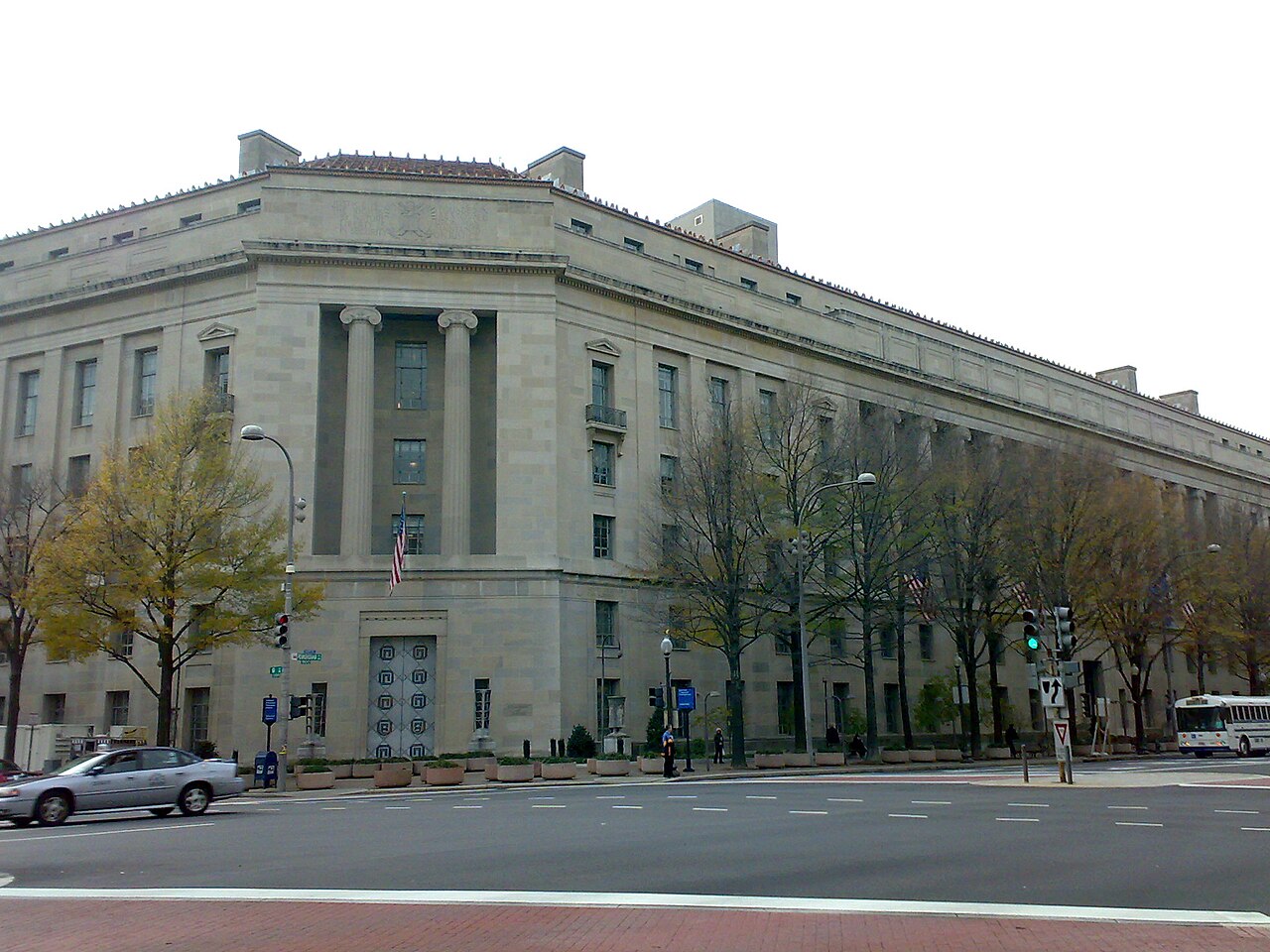
Progressive voting rights groups filed a sweeping lawsuit on April 21, seeking to block the Justice Department from collecting state voter registration lists to verify voter eligibility. The complaint's inflammatory rhetoric about "imprisoning the ballot box" raises questions about what these organizations are trying to hide.
Common Cause, represented by Citizens for Responsibility and Ethics in Washington, sued the Justice Department in federal court in Washington, naming Acting Attorney General Todd Blanche as defendant. The ACLU, Protect Democracy, ACLU-D.C., and Harvard Law School's Democracy and Rule of Law Clinic represent the plaintiffs. They are asking the court to halt the data collection, destroy information already gathered, and bar its disclosure to anyone outside the Justice Department.
The lawsuit targets an effort that 12 states have already embraced voluntarily. Alaska, Arkansas, Indiana, Louisiana, Mississippi, Nebraska, Ohio, Oklahoma, South Dakota, Tennessee, Texas and Wyoming have provided or promised to provide their voter data. That cooperation undermines claims the program constitutes a partisan power grab.
Since 2025, the Justice Department has sued 30 states plus Washington, D.C., for refusing to produce voter rolls. The agency says it needs the records to fulfill its oversight responsibilities.
"The Justice Department will continue to fulfill its oversight role dutifully, neutrally, and transparently wherever Americans vote in federal elections," Assistant Attorney General for Civil Rights Harmeet Dhillon said in a statement on April 1.
Assistant Attorney General Harmeet K. Dhillon added in a Justice Department press release, "Many state election officials, however, are choosing to fight us in court rather than show their work."
The Justice Department is requesting full names, residential addresses, dates of birth, places of birth, driver's license numbers, partial Social Security numbers, political party affiliations and voter participation history. Officials state the purpose is voter eligibility verification under the Civil Rights Act of 1960.
The data will run through the Department of Homeland Security's SAVE database. DHS says the system has already flagged more than 21,000 registered voters submitted by states as potential non-citizens. Justice Department attorney Eric Neff confirmed in Rhode Island federal court on March 26 that the agency intends to share collected voter data with DHS for SAVE analysis.
"Our intention is to run this against the DHS SAVE database," Neff told Judge Mary McElroy.
Common Cause President Virginia Kase Solomón called the effort "a blatant, partisan power grab designed to cast doubt on the validity of our elections." She accused the Justice Department of building "a system designed to imprison the ballot box and silence millions of eligible voters."
Those claims stand in sharp contrast to the voluntary cooperation from states across the political spectrum. Florida Attorney General Pamela Bondi said on April 1, "Accurate, well-maintained voter rolls are a requisite for the election integrity that the American people deserve."
The Justice Department's primary legal basis is the Civil Rights Act of 1960. The law authorizes the attorney general to demand "production, inspection, and analysis of statewide voter registration lists." The National Voter Registration Act also requires states to maintain accurate voter rolls and produce them upon request.
Five federal judges have dismissed Justice Department lawsuits seeking state voter rolls. Some dismissals were procedural, but two courts held that the agency's data demands exceeded its statutory authority and violated federal and state privacy laws. Judge Leo Sorokin in Massachusetts ruled on April 9 that the attorney general failed to provide a factual "basis and purpose" for the demand.
"Put simply, the statute requires a statement of why the Attorney General demands production of the requested records," Sorokin wrote.
President Trump signed Executive Order 14,399 on March 31, directing DHS to compile state citizenship lists from federal naturalization records, Social Security Administration data and SAVE. The order also directs the Postal Service to restrict mail ballot delivery and the attorney general to prosecute officials who distribute ballots to non-citizens.
"Our federal elections laws ensure every American citizen may vote freely and fairly," Dhillon told Fox News on April 21. "States that continue to defy federal voting laws interfere with our mission of ensuring that Americans have accurate voter lists as they go to the polls."
The lawsuit arrives as the 2026 midterm elections approach. The outcome could determine whether the federal government can enforce basic voter eligibility checks nationwide. The Justice Department has appealed dismissals in California, Michigan and Oregon, with oral arguments scheduled for mid-May.
"This effort to consolidate millions of Americans' confidential voter data in a master federal database is part of a larger illegal scheme to take over states' constitutional roles and federalize election administration," said CREW Chief Counsel Nikhel Sus in an ACLU press release.
The coordinated state compliance suggests broader recognition of voter roll verification needs. The SAVE database identified thousands of potential irregularities before the Justice Department's current campaign, indicating existing problems with state voter registration systems.
This case marks a new front in the legal battle over election administration. It pits groups claiming to protect voting rights against efforts to identify ineligible registrants. With appeals pending and additional states facing litigation, the dispute will shape how America manages voter rolls through the 2026 election cycle.