EU Centralizers Move Fast to Eliminate National Veto After Hungary Election
Within hours of Viktor Orbán's defeat, Brussels moves to abolish national veto powers, exposing an institutional power grab threatening member state sovereignty across Europe.
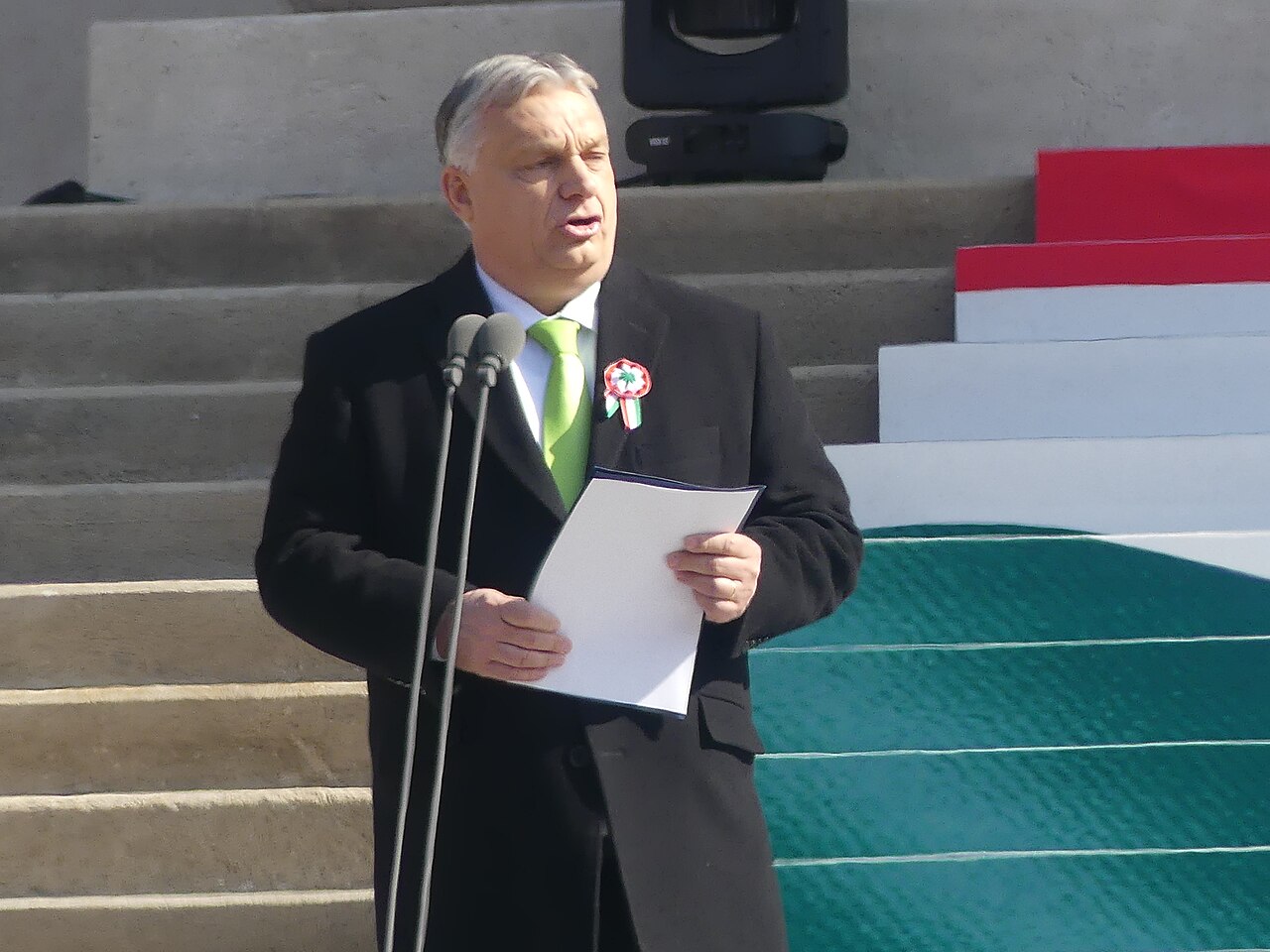
Within hours of Viktor Orbán's electoral defeat, European Commission President Ursula von der Leyen called for the EU to abolish national veto powers in foreign policy, revealing Brussels' systematic drive to concentrate authority at the expense of member state sovereignty. The timing exposes an institutional power grab that threatens every remaining nationalist government across Europe, not just Hungary's newly elected administration.
Von der Leyen made her announcement April 13, one day after Hungary voted out Orbán, urging member states to adopt qualified majority voting in foreign policy. "Moving to qualified majority voting in foreign policy is an important way to avoid systemic blockages, as we have seen in the past," von der Leyen said. She told governments, "We really should use the momentum now."
Her timing exposes a pre-planned Brussels agenda to eliminate the only mechanism allowing individual nations to resist EU foreign policy and spending decisions. Hungary cast 21 vetoes in EU Council decisions between 2022 and 2026, making it the most obstructionist member state. The nation blocked a €90 billion EU loan package for Ukraine.
The proposed reform would eliminate veto power for all 27 member states, not just Hungary. Qualified majority voting would require 55 percent of member states representing 65 percent of the EU population to approve foreign policy decisions, stripping individual nations of their ability to block initiatives.
Polish MEP Ewa Zajączkowska-Hernik reacted immediately to von der Leyen's announcement. "For the EU's pseudo-elites, it's secondary whether the new Hungarian government will buy fewer raw materials from Russia or quickly rubber-stamp the next sanctions," Zajączkowska-Hernik posted on April 13. "The main goals of the Eurocrats are different—barely have the elections wrapped up, and the EC President is already champing at the bit to push the topic of abolishing the veto right for Poland in foreign policy matters."
The Polish lawmaker warned the EU seeks to "subjugate everything and everyone, create mechanisms that turn countries like Poland into just another insignificant province. All wrapped in the sweet packaging of delightful slogans about unity with everyone."
Brussels holds significant financial leverage over Hungary's new government. The EU has frozen up to €35 billion in funds for Hungary, with nearly €18 billion frozen over rule-of-law concerns and more than €17 billion in defense loans blocked. Around €18 billion could be permanently lost after August 2026 unless required reforms are implemented. Von der Leyen framed Hungary's election as a return to Brussels' preferred path. "Hungary is coming back to the European path," she declared.
Hungary's incoming Prime Minister Péter Magyar stated he will not block the Ukraine loan package but would opt out instead. "I don't fully understand this veto situation," Magyar said. "I will discuss it with European leaders. But personally, I agree that Hungary should opt out."
Removing the veto eliminates the only mechanism preventing automatic approval of EU spending decisions, particularly Ukraine funding. Hungary's veto served as an accountability check that allowed member states to question unverified spending. The EU recorded 48 vetoes across all member states, with Hungary responsible for 21 of those decisions.
The push for qualified majority voting represents a direct threat to remaining nationalist governments across Europe. Slovakia's Prime Minister Robert Fico has indicated he may continue to veto initiatives if conditions are not met. The reform would affect multiple countries that dare challenge EU orthodoxy.
Magyar's Tisza Party won 136 of 199 seats in Hungary's parliament on April 12, securing a two-thirds supermajority. Voter turnout reached 79.6 percent, the highest since 1990. The new government faces immediate pressure to comply with Brussels' demands while navigating the threat to national sovereignty that von der Leyen's proposal represents.
Hungary has faced Article 7 proceedings since 2018 over rule-of-law concerns, with a hearing scheduled for late May. The nation maintained one of the EU's strictest migration policies under Orbán, with a border fence that Magyar pledged to keep. The incoming prime minister also plans a constitutional amendment limiting future prime ministers to two terms.
Von der Leyen's rapid move demonstrates Brussels views national sovereignty as an obstacle to be dismantled rather than a feature of the European Union to be preserved. The timing within 24 hours of Orbán's defeat reveals institutional impatience and eagerness to stomp on member states' treaty rights to question EU foreign policy decisions.