Maximum Pressure Works: Iran Signals Deal Possible Within Days
President Trump's naval blockade of Iran has produced results within 48 hours that years of diplomatic efforts failed to achieve, forcing Tehran back to the negotiating table.
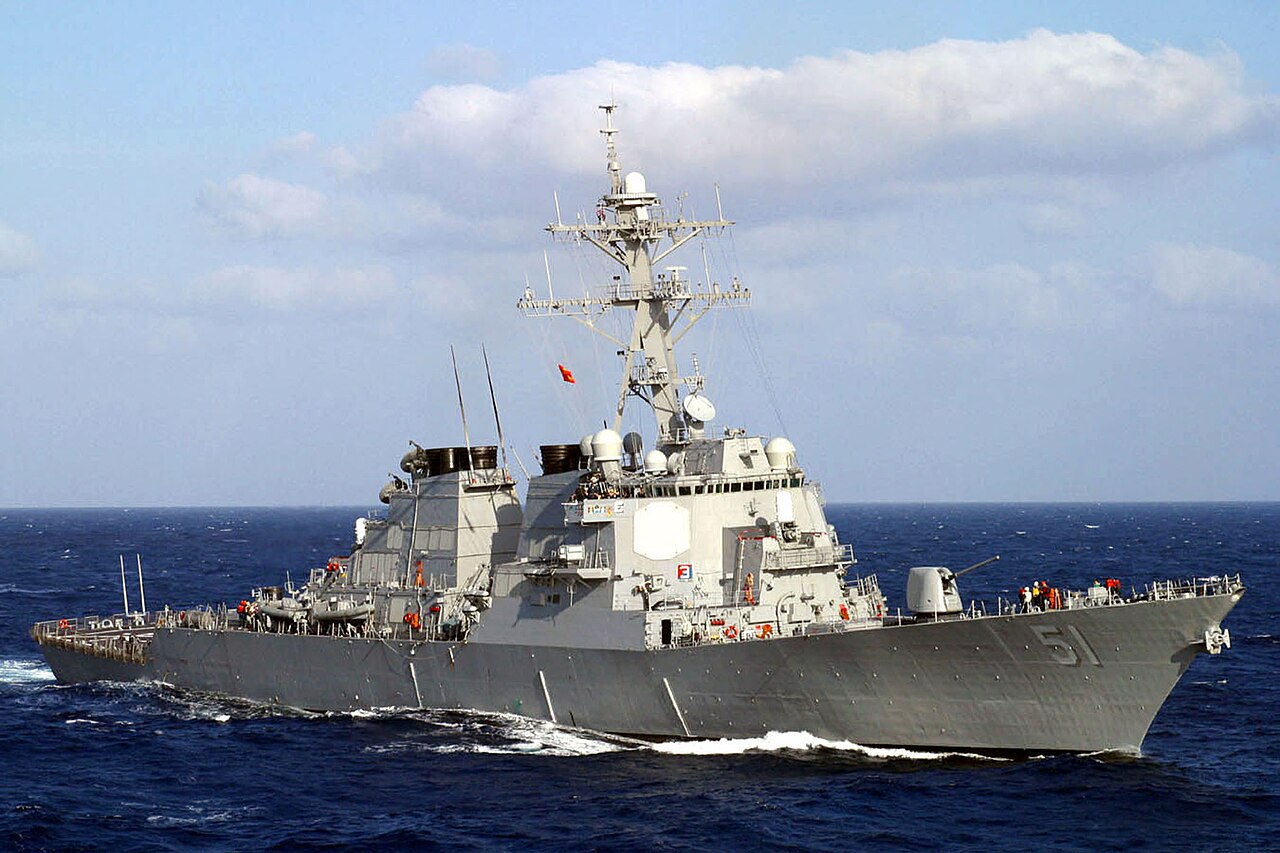
President Trump's naval blockade of Iranian ports follows failed diplomatic efforts. On Monday, the president stated that Tehran contacted Washington about resuming peace talks within 48 hours of the blockade's implementation, suggesting coercive pressure produces results where diplomacy struggled.
U.S. Central Command reports no vessels breached the blockade in its first 24 hours. Six merchant ships complied with orders to return to Iranian ports in the Gulf of Oman. On Tuesday, a U.S. destroyer intercepted two oil tankers leaving Chabahar Port and ordered them to turn back.
Trump told the New York Post on Monday that talks "could be happening over the next two days" in Islamabad. The timeline shows the regime reportedly responded to economic pressure within two days of the blockade's April 13 implementation.
The diplomatic breakthrough follows six weeks of failed negotiations that collapsed on April 12. Trump ordered the blockade immediately after 21 hours of talks ended without agreement. White House spokesperson Olivia Wales said the Iranians "chose the pursuit of a nuclear weapon over peace."
The core disagreement centers on nuclear terms. Washington demands a 20-year minimum moratorium on uranium enrichment. Tehran offered a maximum five-year suspension. This 15-year gap reveals fundamental security disagreements that only pressure can bridge.
International Atomic Energy Agency estimates show Iran possesses nearly 1,000 pounds of highly enriched uranium, enough for 11 nuclear weapons. A five-year suspension would allow the regime to reconstitute its program after the pause. Trump told the Post, "I've been saying they can't have nuclear weapons, so I don't like the 20 years."
Iran faces a hard economic deadline. The country has only 13 days of onshore oil storage capacity before forced field shutdowns cause long-term damage. A 30-day sanctions waiver expires April 19, four days after the blockade began. Miad Maleki, a sanctions analyst at the Foundation for Defense of Democracies, estimates the blockade costs Iran approximately $435 million daily.
Vice President JD Vance said Iran "moved closer to the U.S. position but didn't move far enough." He added, "The ball really is in their court." Vance emphasized that Washington requires "the enriched material out of Iran" and "their conclusive commitment to not develop a nuclear weapon."
The U.S. maintains its position despite international criticism. China's President Xi Jinping called the blockade "dangerous and irresponsible" and warned against "law of the jungle" tactics. British Prime Minister Keir Starmer explicitly ruled out British participation. Washington Examiner analysis notes China maintains four months of oil reserves and diversified energy sources, reducing its incentive to intervene.
More than 10,000 U.S. troops, over a dozen Navy ships, and dozens of aircraft enforce the blockade. CENTCOM announced the measure took effect at 10 a.m. ET on April 13. Legal analyst Alexander Lott of the Norwegian Center for the Law of the Sea said the blockade "appears to comply with international naval warfare rules."
Iran's Supreme Leader adviser Mohammad Mokhber warned the regime would "open new fronts" and "increase economic pressures" on U.S. allies. Yet Tehran's options narrow daily. China purchases approximately 90 percent of Iran's oil exports, and the sanctions waiver expiration will eliminate this revenue stream.
The two-week ceasefire expires April 21. Trump told Fox Business on Tuesday, "I think it's close to over, yeah. I view it as very close to being over." He predicted gasoline prices would drop "very soon, and very big" when the conflict ends.
Previous diplomatic approaches failed to produce results. Pakistan delivered a 15-point U.S. proposal on March 25 that Iran rejected. A March 31 five-point initiative from Pakistan and China called for an immediate end to hostilities. On April 5, Pakistan introduced a 45-day ceasefire framework that Iran also rejected.
The Obama-era Joint Comprehensive Plan of Action collapsed in 2018 after failing to prevent Iranian enrichment. Trump's maximum-pressure approach has produced movement within 48 hours where years of diplomatic overtures yielded only rejection.
Traffic through the Strait of Hormuz stands at less than 10 percent of normal volumes. Only 45 ships entered or exited the strategic waterway from April 8-12, compared to approximately 100 daily before the war began. Twenty-two vessels have been attacked since February 28.
The Islamic Revolutionary Guard Corps ordered all ships to use a new route north of Larak Island due to "likelihood of anti-ship mines in main traffic zone." This rerouting further constricts Iran's remaining trade options.
Trump's approach marks a decisive break from decades of diplomatic engagement. The president warned Iranian ships approaching the blockade would be "immediately eliminated." Treasury Secretary Scott Bessent said the blockade "will ensure that no vessels from the People's Republic of China are able to get their Iranian oil."
Andrea Stricker of the Foundation for Defense of Democracies said the U.S. team "was wise to walk away once it became clear the Iranians would not agree to Washington's core nuclear demands." She noted that "even a two-decade suspension of enrichment would raise significant verification challenges."
The economic pressure creates leverage as negotiations resume. Iran's seaborne trade totals $109.7 billion annually, with 90 percent transiting through the Strait of Hormuz. Oil prices surged approximately 50 percent since the war began, though U.S. crude futures settled at about $90.40 per barrel on Tuesday.
The International Monetary Fund cut its 2026 global growth forecast to 3.1 percent from 3.3 percent, warning of an "adverse scenario" with oil at $100 per barrel. U.S. spending on the conflict approaches $100 billion, according to Representative Jason Crow.
U.S. service members have died in the conflict, with approximately 400 wounded, according to various reports. Iranian casualties total 1,701, while Lebanon reports 2,124 killed.
The maximum-pressure doctrine now faces its ultimate test. With economic strangulation accelerating and diplomatic channels reopening, Tehran must choose between accepting American nuclear terms or watching its economy collapse. The blockade has achieved what years of negotiations could not: forcing the regime back to the table on Washington's terms.