Media Watchdogs Find Systematic Anti-American Bias in U.S.-Iran War Coverage
Watchdog groups documented that 94 percent of late-night war jokes targeted the U.S., while 88 percent of 'war crime' labels in major outlets applied solely to American or Israeli actions.
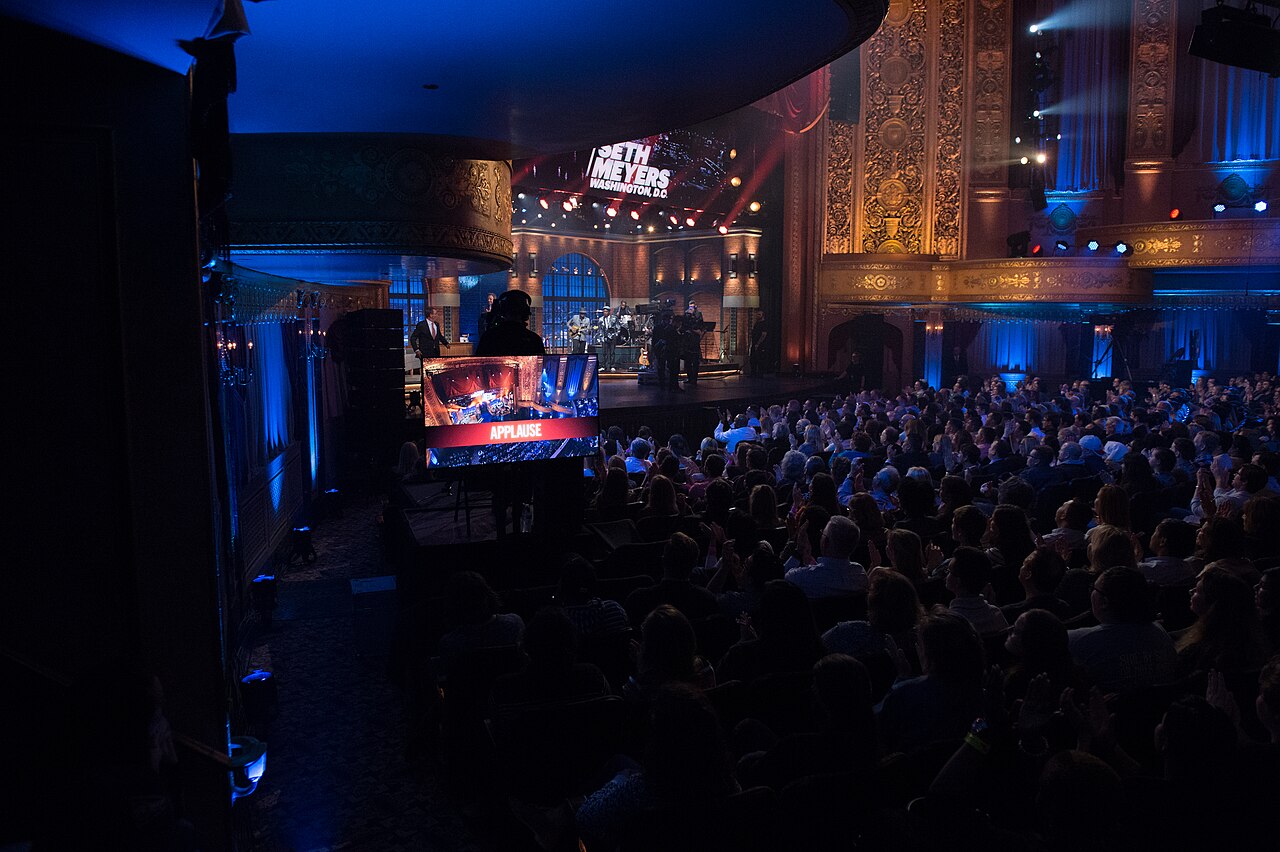
When American and Israeli forces struck Iran on Feb. 28, killing Supreme Leader Ali Khamenei and igniting a regional war, late-night television swung into action — almost exclusively at America's expense.
Ninety-four percent of jokes about the Iran war targeted the United States and its allies in the conflict's first week, according to researchers who documented systematic media bias in coverage of the military campaign. The Media Research Center found 235 of 250 war-related jokes from major late-night television shows during March 2–5, 2026, lampooned American actions while largely ignoring Iranian provocations.
The U.S.-Israel joint airstrikes triggered missile exchanges and attacks on civilian shipping, expanding the conflict across the region. As fighting escalated, media watchdogs documented patterns of selective framing that consistently favored critical narratives about American operations — and the numbers they compiled were stark.
CAMERA, a media monitoring group, analyzed 32 uses of the term "war crime" in major Western news outlets from Feb. 28 through March 21. Researchers found 28 instances — 88 percent — applied the label exclusively to U.S. or Israeli actions. Zero references directed the term solely at Iran's Islamic regime. "This journalistic malpractice inverts reality," said CAMERA Research Manager David Litman.
The skew did not ease as the war wore on. It deepened.
The MRC's third-week study found that from March 16–19, 114 of 118 war-related jokes — 97 percent — targeted the United States, even as total joke volume declined. Jimmy Fallon's show delivered 36 of 37 jokes about American actions; Seth Meyers directed all 52 of his at the U.S. side. "The coverage has been anti-American from the jump," said MRC President David Bozell.
The pattern drew federal attention. Federal Communications Commission Chair Brendan Carr intervened March 14, threatening broadcasters with license revocation over "hoaxes and news distortions" in Iran war reporting. "Broadcasters must operate in the public interest, and they will lose their licenses if they do not," Carr stated. President Trump expressed support for the FCC's stance, while Democratic lawmakers called the threats unconstitutional censorship.
The disparities were not confined to comedy. CBS News Sunday Morning ran a four-minute segment April 5 that devoted 43 seconds to the rescue of American airmen from Iranian territory. The remaining three minutes featured former Obama administration official Tess Bridgman suggesting Trump was committing war crimes, with no supporting voices included. MRC analysts noted the segment exemplified patterns observed throughout the conflict.
Defense Secretary Pete Hegseth addressed the media environment directly during a March 19 Pentagon briefing. "I stand here today speaking to you, the American people, not through filters, not through reporters, not through cable news spin," Hegseth stated. "A dishonest and anti-Trump press will stop at nothing to downplay progress, amplify every cost, and call into question every step."
The CAMERA study documented the specific double standard driving those frustrations. Western outlets repeatedly applied "war crime" to alleged U.S. strikes near a Minab school under Pentagon investigation, yet the same outlets withheld the label from Iranian cluster bomb attacks on populated areas in Israel. Iranian strikes on neutral nations Kuwait and Bahrain escaped the designation entirely.
George Mason University law professor Adam Mossoff analyzed the CAMERA data. "Zero references solely to crimes by Islamic regime," he wrote on X. The finding came despite documented Iranian violations: firing on commercial ships in the Strait of Hormuz and using civilians as human shields against U.S. military targets.
Bozell put the selective outrage plainly. "Things like firing at commercial ships, attacking civilian targets in Israel, and using its own citizens as human shields all constitute war crimes — yet the media has not used the same rhetoric against Iran."
The coverage landed with a domestic audience already skeptical of the war. Pew Research polling from March 25 found 61 percent of Americans disapprove of Trump's handling of the Iran conflict. As the war enters a two-week ceasefire agreed April 7, media critics argue the documented skew in coverage has accompanied the conflict from its first hours, potentially shaping that disapproval.
The MRC examined 20 episodes from ABC, CBS, Comedy Central and NBC for its late-night comedy study. Stephen Colbert's show directed 90 percent of war jokes at the U.S. side, while Jon Stewart and Michael Kosta on The Daily Show targeted American actions 88 percent of the time. Trump was the most joked-about individual with 152 references, followed by Hegseth with 23.
The ceasefire is now in effect. Media analysts continue tracking coverage patterns. The documented 94 percent skew in late-night comedy and 88 percent imbalance in "war crime" labeling represent measurable evidence of editorial selectivity that critics argue distorts public understanding of military operations — and the human costs borne by the Americans who carried them out.