Merz Vows Syrian Returns as Citizenship Flows Unchecked
Chancellor Merz promises 80 percent Syrian refugee returns within three years, but legal realities and his own government's policies make the target impossible to achieve.
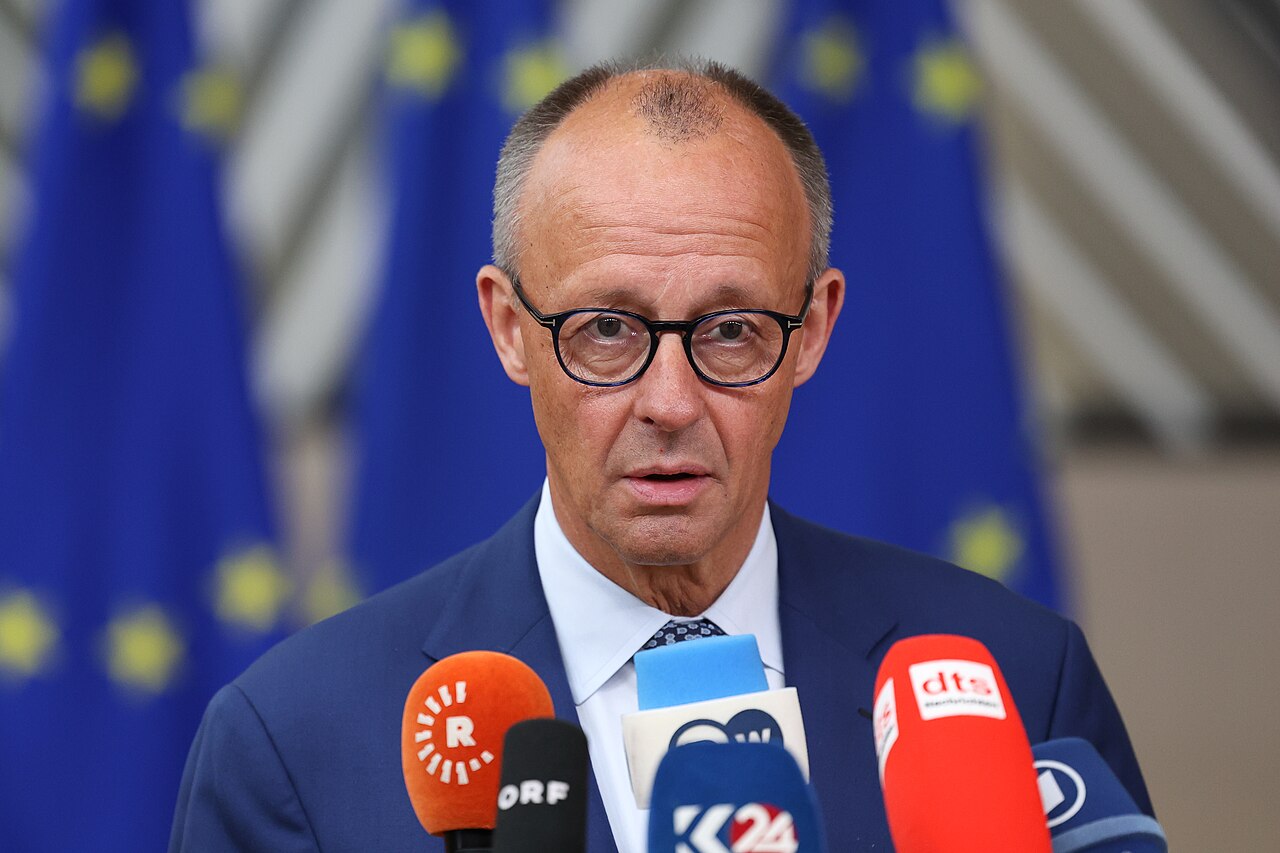
In Berlin this week, Chancellor Friedrich Merz told Syrians to go home — even as German officials quietly naturalize them by the thousands, making them untouchable by law. The symbolic demand for 80 percent of Syrian refugees to return within three years marks a desperate political pivot by conservatives struggling to stem voter defections to the AfD, which now leads the CDU in national polls for the first time in post-war history.
Merz announced his target on March 30 after meeting Syrian President Ahmed al-Sharaa. "In the longer perspective of the next three years – that is also the wish of President al-Sharaa – around 80 percent of the Syrians currently residing in Germany should return to their home country," Merz told reporters. The statement targeted voters alarmed by Germany's AfD polling at 27 percent against the CDU's 24 percent in December 2025-January 2026 surveys.
The political theater collides with a legal reality. German citizenship cannot be revoked except for terrorism convictions, and naturalization is irreversible. Anyone who gains citizenship before Merz’s 2029 deadline becomes permanently beyond deportation regardless of political promises. The Federal Statistics Office reports 83,150 Syrians became German citizens in 2024 alone, representing 28 percent of all naturalizations that year.
Germany granted a record 291,955 citizenships in 2024, a 46 percent increase from 2023. The pipeline of pending applications suggests hundreds of thousands more Syrians will qualify before Merz's three-year clock expires. Only 3,707 Syrians left Germany via voluntary return programs in 2025, while German authorities forcibly removed just three criminal Syrians to Damascus.
Contradictions emerged within hours of Merz's announcement. The chancellor simultaneously praised Syrian professionals as integrated contributors and pledged €200 million to rebuild Syria. "We are pleased about the many Syrian skilled workers who have integrated," Merz said on March 30, undercutting the premise of mass returns. Syrian doctors working in German hospitals show little interest in returning to a country where al-Sharaa's government faces accusations of atrocities against Christian and Druze minorities.
Al-Sharaa contradicted the 80 percent figure directly. "In fact, the statement is somewhat exaggerated. I did not say that. It was said by others, by the Chancellor," the Syrian leader stated. The German Federal Press Office immediately rephrased Merz's quote to attribute the target to al-Sharaa, confirming the statement was politically manufactured rather than a joint agreement.
The pattern mirrors tactics across the Channel. UK Home Secretary Shabana Mahmood has proposed doubling permanent residency wait times from five to ten years while facing rebellion from over 100 Labour MPs. Yet no enforcement mechanism exists for her policy, and her own deputy Angela Rayner called the changes "un-British" and a "breach of trust."
Establishment conservatives trading rhetorical toughness for actual policy face an electorate increasingly aware of the gap. SPD Vice-Chair Anke Rehlinger warned, "It's not a wise move for the chancellor to put forward specific figures within specific timeframes because that raises expectations he may not be able to meet." Voters abandoning the CDU for the AfD demand consistency rather than cruelty, and Merz has delivered neither.