Taxpayer-Funded Telehealth Abortions Surge Past State Protections
Planned Parenthood's telehealth abortion network circumvented state laws, delivering chemical abortions to 91,000 women in pro-life states while receiving $832 million in taxpayer funding.
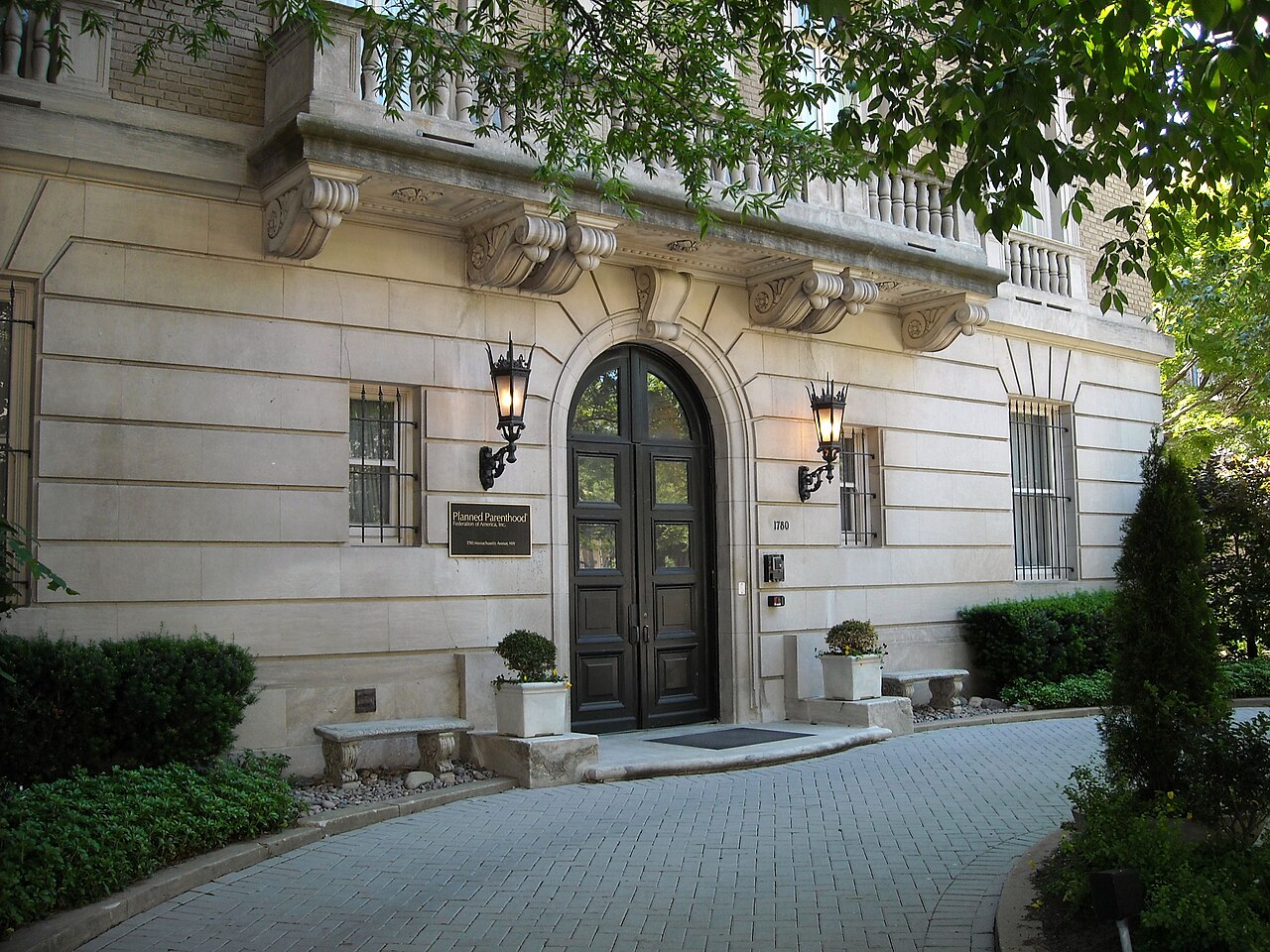
On Good Friday, Planned Parenthood quietly released its annual report revealing 434,450 abortions performed last year while collecting $832 million in taxpayer funding. The organization has pivoted to telehealth abortion services, shipping chemical abortion pills into pro-life states where 91,000 women obtained abortions in 2025 alone, effectively circumventing state-level protections for unborn life.
The 2024-2025 report documents a fundamental shift from brick-and-mortar clinics to remote delivery. Planned Parenthood provided abortion pills through telemedicine in 24 states over 320,390 telehealth appointments last year, a 126 percent increase from 2023. This technology-enabled delivery system nullifies geographic restrictions that many states implemented after the Supreme Court's Dobbs decision.
"Telehealth abortions are weakening the strong pro-life laws that many states passed after the Dobbs decision," said Michael New, senior associate scholar at the Charlotte Lozier Institute. Guttmacher Institute data indicates 91,000 women living in states with strong pro-life laws obtained telehealth abortions in 2025, a 26 percent increase over the previous year.
Safety concerns about mail-order abortion drugs raise serious questions about patient welfare. The Food and Drug Administration has recorded 36 deaths associated with mifepristone since 2000, including two cases of ectopic pregnancy resulting in death. Ectopic pregnancies cannot be detected via telehealth but can be fatal when treated with the abortion drug.
An Ethics and Public Policy Center study found the rate of serious adverse events rose from 10.15 percent when in-person requirements were enforced to 11.50 percent after the FDA removed the requirement in 2023. This represents a 13 percent increase in complications following telehealth expansion.
Federal Judge David C. Joseph stayed Louisiana's lawsuit challenging mifepristone telehealth on April 7, ordering the FDA to complete a safety review within six months. The ruling acknowledges telehealth abortion now accounts for more than one in four U.S. abortions.
Senator Josh Hawley sent a letter April 14 requesting a Department of Justice investigation into Danco Laboratories, which manufactures mifepristone. "Very little information is publicly available about Danco Laboratories," Hawley wrote. "The company was incorporated in the Cayman Islands. Its board of directors and investors remain secret."
Despite Planned Parenthood CEO Alexis McGill Johnson's claims that Medicaid restrictions hurt the organization, government funding actually increased by $39.8 million to $832 million last year. Cancer screenings declined 8.6 percent while abortions increased eight percent.
The organization performed 434,450 abortions compared to just 7,685 prenatal services, a ratio of 57 abortions for every pregnancy support service. Adoption referrals numbered only 3,038, creating a ratio of 143 abortions per adoption referral.
Planned Parenthood's digital strategy includes 350,000 Roo chatbot sessions and 110 million website visits, positioning itself as a digital-first health provider. The Roo chatbot, launched in 2019 to answer "awkward questions about sexual health, relationships, growing up," forms part of a broader digital infrastructure supporting telehealth services.
With abortion travel assistance helping 171,000 people since Dobbs and $3.7 million disbursed for abortion-related travel in 2024-2025, the organization actively circumvents state laws while receiving taxpayer support. Medication abortions accounted for 63 percent of all U.S. abortions in 2023, according to Guttmacher Institute data.
Penny Young Nance, CEO of Concerned Women for America, warned the FDA's black box label for mifepristone indicates one in 25 women may require emergency room care. "Mail-order abortion via telehealth appointments is the antithesis of 'care,'" she said. "It leaves women alone to self-manage painful abortions in their own bathrooms."
The conflict between state abortion protections and federal regulatory decisions creates a policy contradiction. State laws restrict abortion access while federal FDA rules allow telehealth delivery across state lines, federal courts stay state lawsuits, and taxpayer funding continues flowing to Planned Parenthood.