Virginia Democrats Push Redistricting Power Grab Four Days After NPVC Signing
Virginia voters face a referendum on April 21 that would hand Democratic leaders control of congressional redistricting through 2030, just days after the state signed the National Popular Vote Compact.
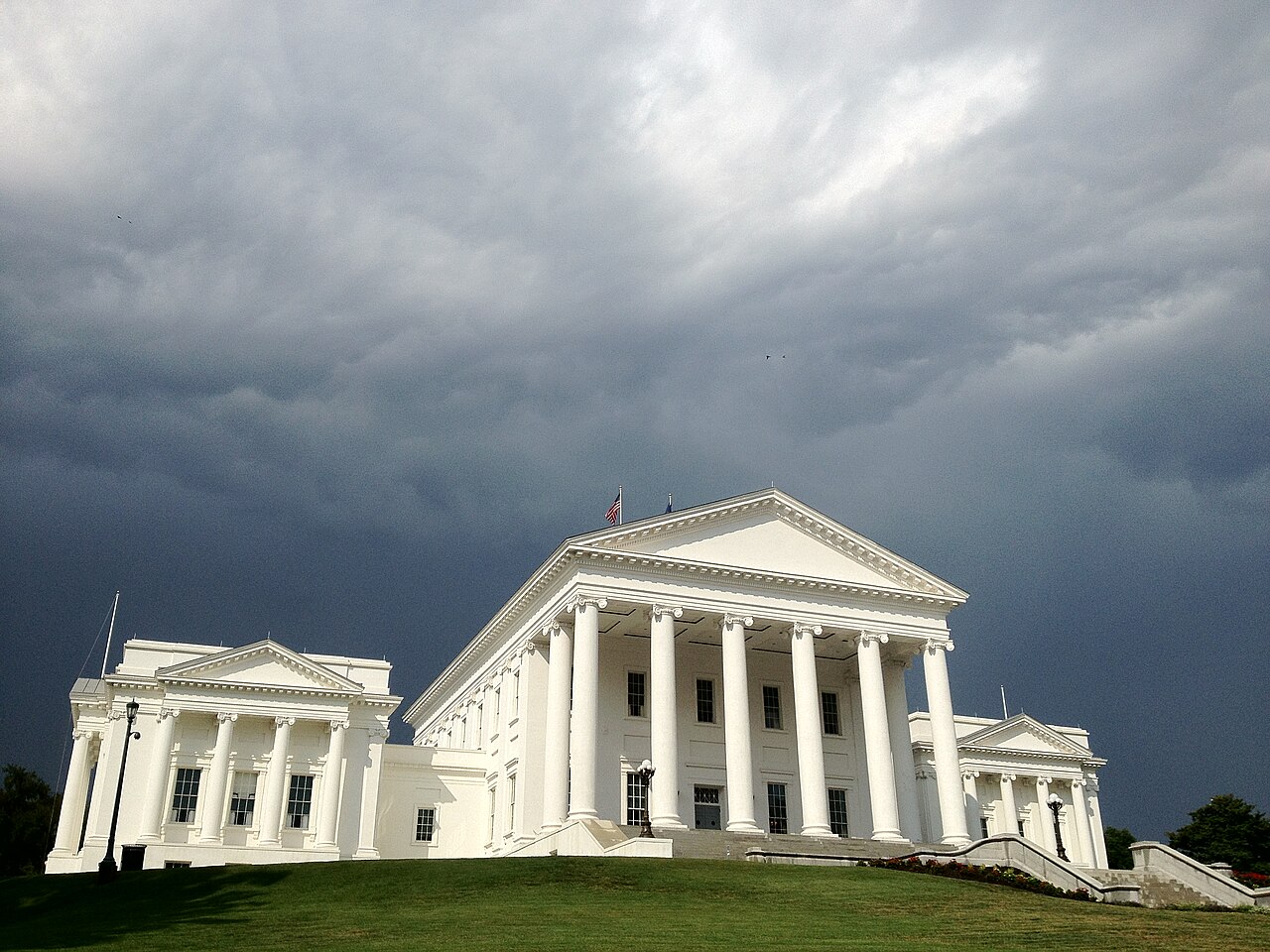
Four days after Virginia's Democratic leadership signed the National Popular Vote Compact, nullifying the state's presidential votes, the same leaders ask voters to approve a redistricting amendment that would deliver 10 of 11 congressional seats to their party.
The coordinated moves represent institutional entrenchment, not policy disagreement. Virginia is becoming the epicenter of Democratic efforts to lock in structural advantages through constitutional changes that would transform a competitive 6-5 congressional split into a 10-1 Democratic stronghold.
Governor Abigail Spanberger signed the National Popular Vote Compact on April 13, committing Virginia's 13 electoral votes to the national popular vote winner regardless of state results. On April 21, Virginians will vote on a referendum that would empower the Democratic-controlled General Assembly to redraw congressional maps through 2030.
The numbers show the scale of the power shift. Republicans received 46 percent of Virginia's presidential vote in 2024 but would secure just one of 11 congressional seats under Democratic maps. Democrats would claim 91 percent of seats with approximately 52 percent of the vote.
Ballot language promises a "temporary" measure through 2030, but Democratic actions contradict that framing. On March 11, Dorothy McAuliffe, wife of former Democratic National Committee chair Terry McAuliffe, announced her congressional campaign in the proposed 7th District. The district spans 150 miles from Arlington to the Shenandoah Valley.
"We said 10-1 and we meant it," Senate President Louise Lucas declared in February. "We are proud to deliver a map that stands up for democracy."
A three-to-one spending advantage demonstrates national Democratic commitment to the power consolidation. Support groups raised $64.1 million, with House Majority Forward contributing $38.1 million and The Fairness Project adding $12.4 million. Opposition forces raised approximately $20.9 million.
The amendment reverses voter-approved reforms. In 2020, Virginians passed Question 1, transferring redistricting authority to a bipartisan commission. The current measure returns that power to the partisan General Assembly for four years.
Former Governor George Allen argues current maps are "already fair" under the bipartisan system. He calls the ballot language "deceptive" and warns the proposed maps would "distort representation for political gain."
Representative Ben Cline's district would be split into five pieces under Democratic maps. "Their goal is the long game," Cline told Fox News on April 16. "It is the short game of the next election, but it's also the long game of trying to turn rural Virginia into either a non-impact on politics or convert. You either assimilate or you're destroyed," Cline told the Ruthless Podcast on April 16.
Cline compares Virginia's trajectory to Democratic strongholds like Massachusetts and Illinois. "They definitely want to turn us into New England," he said on the Ruthless Podcast. "Most states where they control, they're trying to just draw Republicans completely out."
Even some Democrats oppose the power consolidation. Brian Cannon of No Gerrymandering Virginia states, "Gerrymandering is cheating. It's picking winners ahead of elections." The Democrat adds, "This is opening a Pandora's box. The people who lose in that are the voters."
Early voting ended April 18 with over 1 million ballots cast. Polls show a tight race. State Navigate's April 10-13 survey found 50.7 percent support and 45.4 percent opposition. The same poll shows 95 percent Republican opposition and 56 percent Independent opposition.
Virginia's April 21 referendum coincides with geopolitical tension as President Trump's Iran ceasefire deadline approaches April 22. The timing underscores how Democratic leadership prioritizes structural political advantages amid international uncertainty.
The stakes are existential for democratic representation in a state where nearly half of voters could be reduced to single-digit congressional influence. Virginia's transformation from competitive battleground to Democratic fortress now rests with voters in the final hours before their decision.