OCR Removes Orwell from Syllabus, Replaces It With Disputed Biography
Cambridge OCR replaced George Orwell's 1933 memoir with a factually disputed biography, drawing condemnation from literary experts as student achievement falls and censorship spreads across UK education.
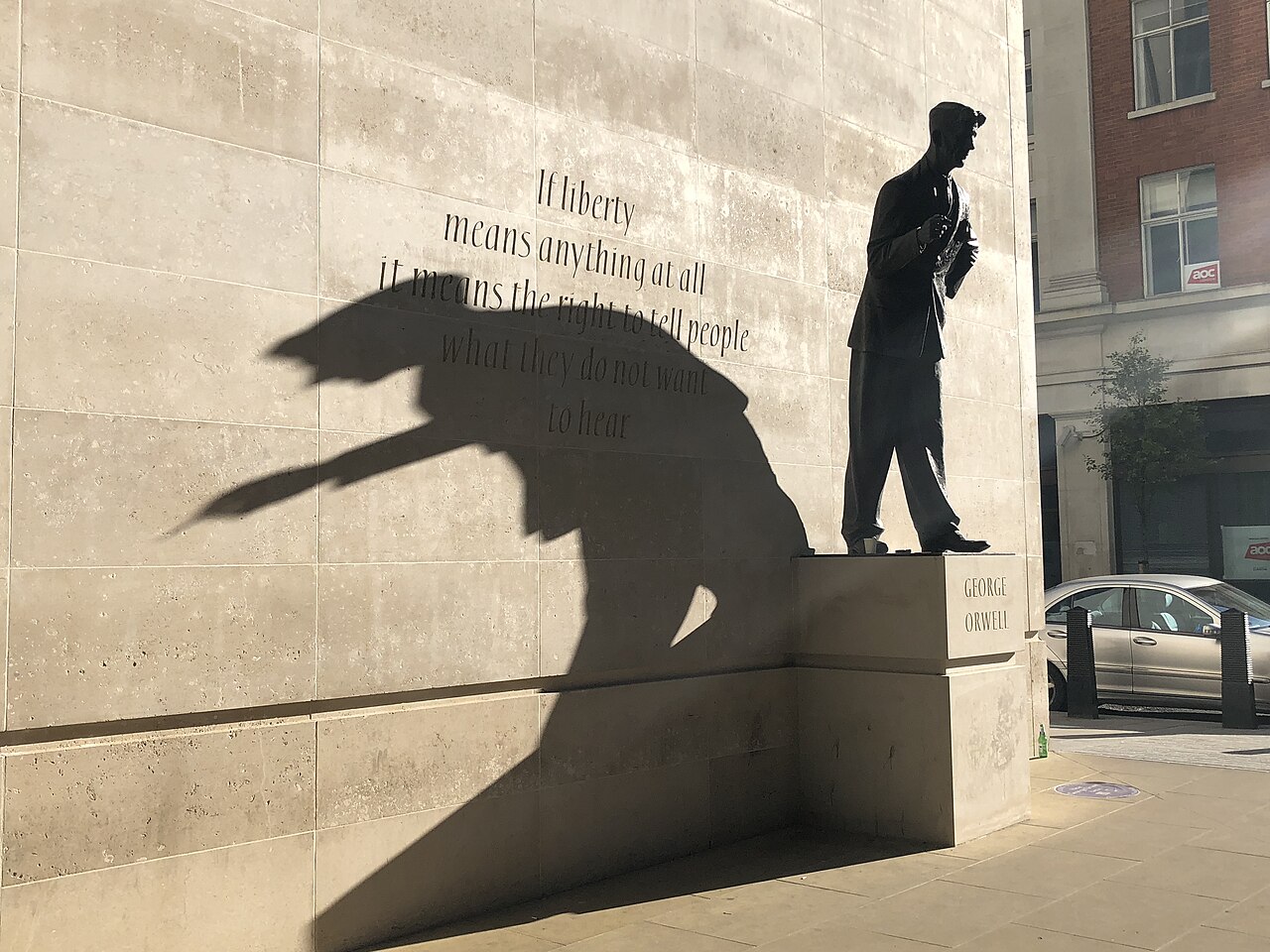
British students are losing access to George Orwell's foundational 1933 memoir as Cambridge OCR removes the text from its A-Level English syllabus, substituting a contested biography that characterizes the famed author as sadistic and misogynistic. The change takes effect September 2026, just as student achievement across English and maths reaches alarming lows.
OCR announced on April 13 that "Down and Out in Paris and London" would leave the A-Level English Language and Literature curriculum. In its place, the exam board installed Anna Funder's "Wifedom: Mrs Orwell's Invisible Life," a work that pursues what experts describe as an unsupported feminist thesis about Orwell's marriage to Eileen. The biography replaced a firsthand account of poverty and homelessness with what critics call an ideologically charged reinterpretation.
Funder's book carries admitted factual errors, including disputed claims about Orwell's birth location and alleged affairs that publishers agreed to correct. "We've agreed to remove the references to Celia being a lover of Orwell and visiting him on Jura," Funder stated in November 2023. Despite those corrections, the text has drawn condemnation from Orwell's literary estate and the Orwell Society, whose chairman Quentin Kopp labeled it full of factual errors and inappropriate as a teaching resource.
OCR spokespersons maintain that "Wifedom is not replacing Down and Out in Paris and London; it takes the place of another Anna Funder book on the previous set text list." Orwell's seminal memoir still disappears from Component 04, which accounts for 20 percent of the total A-Level qualification. The practical effect remains the same: students lose direct access to Orwell's writing while gaining a disputed biography.
Kopp contends that Funder's book pursues "a feminist thesis that is not supported by any serious study of Orwell and Eileen's life." He argues the removal deprives students of fertile material for studying the similarities and contrasts between the 1930s and today. The context matters: 55 percent of pupils fail to secure the English and maths GCSE passes needed to progress to sixth form, college, apprenticeships or work.
Education watchdogs warn this reflects a broader pattern of curriculum weaponization. "Public examinations are being weaponised to force children to conform to the 'tyranny of fascist woke ideology,'" states Chris McGovern, chairman of the Campaign for Real Education. Iain Mansfield, head of education at Policy Exchange, adds that exam boards are "allowing identity politics to distort the content of their GCSEs and A-levels in the false belief that this will somehow make education more 'inclusive.'"
The Orwell removal mirrors censorship efforts stretching across the United Kingdom and beyond. Wales' largest exam board stripped "Of Mice and Men" and "To Kill a Mockingbird" from GCSE syllabuses over safeguarding concerns about racial slurs. A Greater Manchester secondary school deployed AI-generated categorization to remove more than 130 books from its library, including Orwell's "1984" graphic novel.
Texas A&M University recently banned Plato from a philosophy course, drawing condemnation from the Foundation for Individual Rights and Expression. "You don't protect students by banning 2,400-year-old philosophy," argues FIRE's Lindsie Rank. Historian Jeremy Black describes these moves as brainwashing through educational content control.
The new OCR set texts take effect from September 2026, with first assessment scheduled for June 2028. Current texts, including Orwell, face final assessment in June 2027. Component 04 requires students to choose one text from a prescribed list of 12, now featuring eight works by female authors including Funder's contested biography.
Seventy-four percent of disadvantaged teenagers fail to secure basic GCSE passes. Against that backdrop, Welsh Conservative politician Natasha Asghar argues against censorship: "Instead of banning 'Of Mice and Men,' we should teach it within its historical context... Censorship doesn't solve the problem; it prevents young people from confronting and understanding these prejudices."
The removal of Orwell's firsthand account of fighting fascism in the Spanish Civil War represents more than administrative shuffling. It signals a systemic shift where education bureaucrats sacrifice historical literacy and intellectual freedom to advance modern political theses, harming the disadvantaged students who need rigorous education most.