California Democrats Block Driver Data Verification, Shielding Over 1 Million Undocumented Immigrants
California legislature strips $55 million from DMV budget to prevent driver's license data sharing with national verification system, defying federal Real ID requirements and overriding governor's office directives.
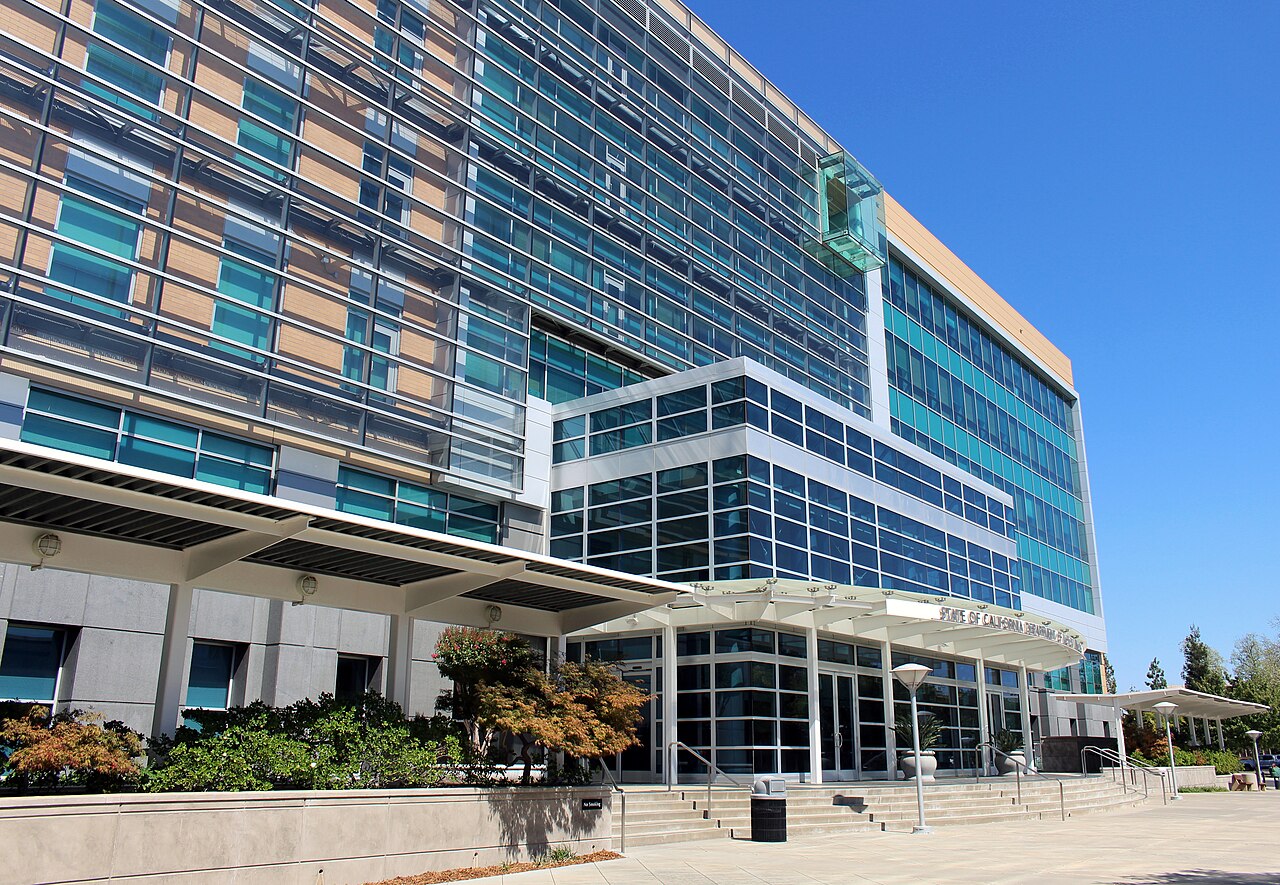
California lawmakers blocked $55 million in DMV funding on Tuesday, preventing the state from uploading driver's license data to a national verification system. The budget move shields more than 1 million undocumented immigrants from federal enforcement while overriding Governor Gavin Newsom's office. The decision also places California's Real ID compliance in jeopardy.
The legislature's budget agreement eliminated funding for the DMV's plan to share data with the American Association of Motor Vehicle Administrators' SPEXS database. That system records the last five digits of each license holder's Social Security number. For undocumented drivers without an SSN, the database would upload "99999" as a placeholder, explicitly flagging their status for interstate verification. California Democrats now prevent that verification while continuing to collect personal information from undocumented immigrants through the state's AB 60 license program.
"We need to go. We need to go now," DMV Director Steve Gordon told lawmakers during a March 19 hearing. He urged compliance with Real ID requirements that could affect Californians' ability to board domestic flights. The governor's office backed the data upload, but Democratic legislators overruled them using their control of the state's purse strings.
California passed the Safe and Responsible Drivers Act in 2013 to grant licenses to undocumented immigrants. The law promised privacy protections while collecting personal information. The state has issued more than 1.2 million AB 60 licenses since 2015, each marked "Federal Limits Apply" and "not acceptable for official federal purposes." Lawmakers now block the verification system that would confirm those licenses, collecting data without allowing legitimate law enforcement use.
The DMV signed a contract with AAMVA on March 30 to upload California's driver data. The agency committed to the plan before legislative approval, requesting $55 million in additional funding. That amount breaks down to $32 million this fiscal year and $23 million next year to implement the State-to-State Verification System. Democratic legislators stripped that funding from the budget agreement released in June. The impasse must be resolved by June 30.
Governor's office spokesperson Diana Crofts-Pelayo defended the data-sharing plan, stating "California continues to lead in supporting immigrant families and protecting personal data from federal overreach." The statement highlights the administration's support for both sanctuary protections and federal compliance. The legislature has forced that contradiction into the open.
Other states have taken different approaches to the same federal pressure. In January, a bipartisan group of 34 Oklahoma legislators sued to block their state's data upload to SPEXS. They argued the action exceeded agency authority and violated separation-of-powers concerns. "Statutory silence is not permission, and administrative convenience is not legal authority," said Oklahoma Sen. Kendal Sacchieri. California's Democratic leaders chose a purely partisan sanctuary shield instead of a principled privacy stance.
Blocking verification prevents other states from catching fraudulent or revoked licenses. The move undermines public safety across state lines. AAMVA CEO Ian Grossman states that "only authorized state employees or contractors have access to the system" and that "bulk searches are not currently allowed." The private corporation operates outside public records laws. As a Virginia-based entity not subject to Freedom of Information Act requests, AAMVA faces fewer barriers to court orders or subpoenas than government agencies.
Immigration and Customs Enforcement deported at least 8,200 people from California between January and September 2025. Federal enforcement remains active despite sanctuary policies. The DMV's plan would have uploaded data on all 31.7 million California license holders, including the distinctive "99999" placeholder for undocumented drivers. Nearly 200 organizations signed on to a coalition letter opposing the DMV data sharing plan. They warned it would expose vulnerable communities to deportation.
The legislative block creates uncertainty about California's Real ID compliance. Federal law requires states to "provide electronic access to all other States to information contained in the motor vehicle database" as a condition of REAL ID acceptance. California driver's licenses could lose their validity for boarding domestic flights if the state fails to comply. More than 60 percent of Californians already have passports, according to State Department data.
"AAMVA must notify CA if non-participants request data," the DMV claimed. The contract states notification occurs only "if legally permitted." That language allows gag orders to prevent disclosure. Once data enters the SPEXS system, it leaves California's control entirely. State privacy promises made to AB 60 applicants carry no weight after that point.
The budget deadline passed June 15, but negotiations continue until June 30. Democrats maintain leverage through control of appropriations. They can block federal compliance and override DMV directives indefinitely. "Protecting immigrant communities from the Trump administration's relentless attacks continues to be a top priority for the Speaker," said Nick Miller, spokesperson for Assembly Speaker Robert Rivas.
California's sanctuary agenda has reached its logical extreme. The legislature collects personal data from undocumented immigrants while preventing its legitimate use for law enforcement verification. Democratic lawmakers prioritize immigration shields over public safety, federal requirements and the rule of law. They have created a system where illegal status receives protection while legal verification faces obstruction.