DOJ Targets Four Northern California School Districts in Parental Rights Enforcement
The Justice Department launched federal compliance reviews into four Northern California school districts, alleging they systematically suppressed parents' rights regarding sexuality and gender instruction in classrooms.
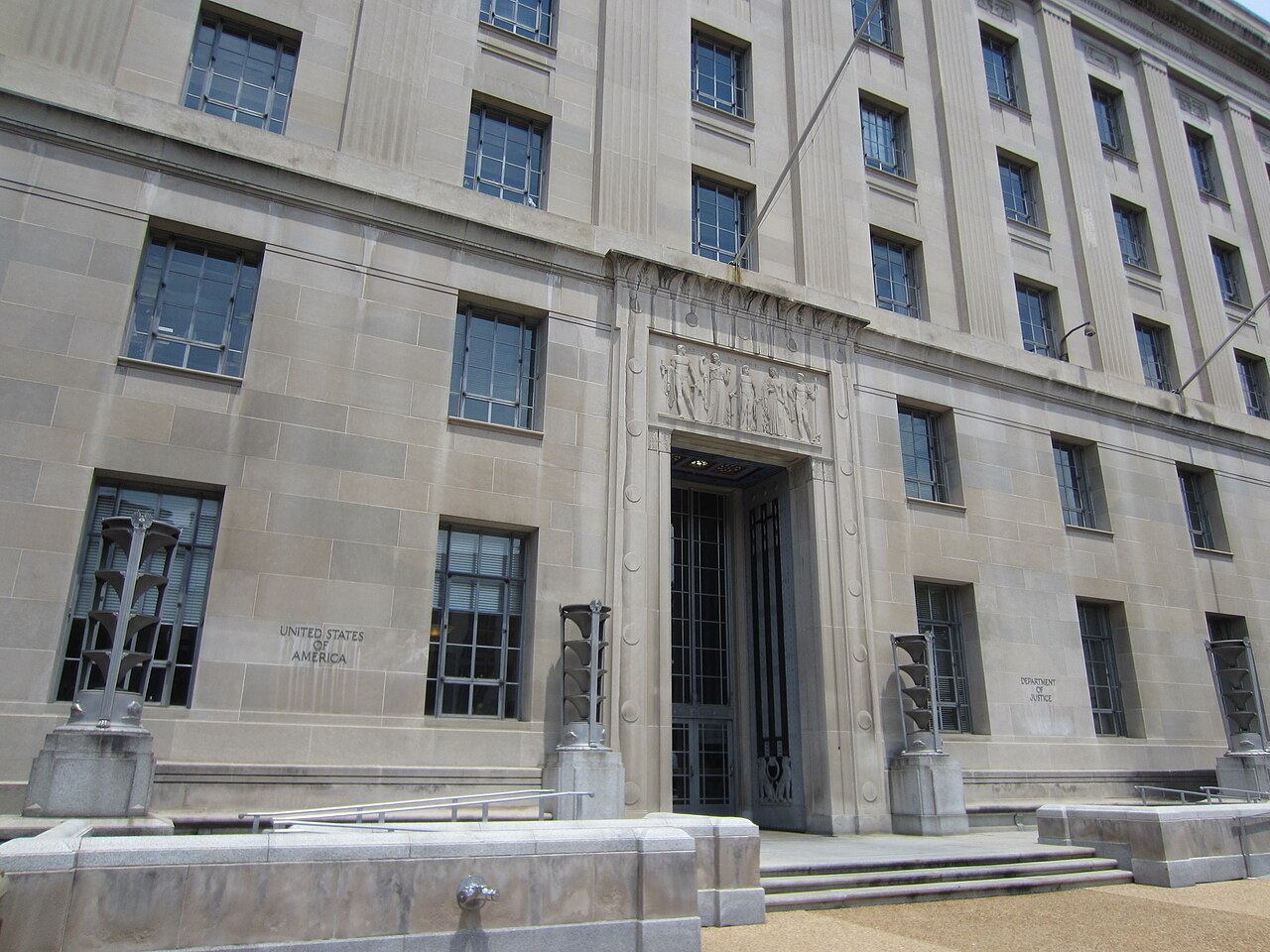
Four Northern California school districts face federal scrutiny over their refusal to notify parents about sexuality and gender instruction in classrooms. The Department of Justice launched compliance reviews June 8 against districts that embedded SOGI content into mandatory social studies and history classes without opt-out provisions. Parents in San Francisco, Soledad, Santa Rita, and Graves Elementary districts may have been unaware of what their children encountered in school.
The Justice Department alleges these districts prioritized progressive ideology over parental notification. Federal authorities found that teachers received guidance treating LGBTQ+ discussions as exempt from standard parental permission requirements. The move escalates the Trump administration's enforcement of parental rights following Supreme Court victories against mandatory LGBTQ+ curricula.
"This Department of Justice will not tolerate local school authorities trampling on the rights of parents concerning the education of their children," Assistant Attorney General Harmeet K. Dhillon stated in the June 8 announcement. Her statement frames the compliance review as constitutional enforcement rather than political grievance.
The California action follows at least seven investigations the Education Department's Office for Civil Rights launched since January 2025, predominantly targeting Democratic-leaning areas. Federal authorities already examined school districts in Michigan, Illinois, and Los Angeles. The enforcement pattern contrasts sharply with the broader, less focused approach under the Biden administration, when OCR launched 33 investigations covering both Democratic and Republican jurisdictions on diverse civil rights issues during Biden's first three months in office.
San Francisco Unified School District faces particular scrutiny for serving approximately 55,000 students. The Justice Department found that SFUSD instructed teachers that parental permission or notification is not required for SOGI topics outside formal sex health education. The district's LGBTQ Family + Gender Diversity Elementary Teaching Guide allegedly advises educators that "a discussion about gay, lesbian, bisexual, transgender, and questioning people does not constitute a discussion about human sexuality or family life education and does NOT require parent notification or permission." Federal officials described the effect as a "parental rights blackout."
The federal action anchors itself in two recent Supreme Court precedents. In Mahmoud v. Taylor, decided 6-3 last June, the Court ruled that denying parental opt-outs for LGBTQ+ content burdens religious exercise. Justice Samuel Alito wrote for the majority: "We reject this chilling vision of the power of the state to strip away the critical right of parents to guide the religious development of their children." In March, the Court blocked California's AB 1955, which prohibited schools from notifying parents of gender transitions.
California Attorney General Rob Bonta filed a lawsuit Feb. 11 challenging the U.S. Department of Education's threat to withhold $4.9 billion in federal funding over parental notification requirements. Bonta argues the federal government uses "baseless claims to attack crucial education funding." The Supreme Court rulings already sided with parental notification rights.
The scale of potential violations dwarfs the four districts under review. The Liberty Justice Center warned June 2 that approximately 600 California school districts may violate FERPA and constitutional rights by concealing gender transitions from parents. With California operating more than 1,000 school districts total, the current enforcement raises questions about whether targeting four represents decisive action or too little, too late.
"The Supreme Court's recent decisions in Mahmoud and Mirabelli have put all school districts on notice: policies that keep parents in the dark about sexuality and gender ideology in the classroom must end now," Dhillon asserted.
Equality California Executive Director Tony Hoang countered that the investigations target LGBTQ+ youth rather than protect students. "Instead of focusing on its core mission of protecting civil rights and addressing real instances of discrimination, Donald Trump's Department of Justice continues its obsession with targeting LGBTQ+ youth and attacking inclusive education," Hoang told EdSource June 9.
Two of the four districts defended their policies as compliant with California law. "Our District has consistently worked to comply with California law," Soledad Unified Superintendent Randy Bangs stated June 9. The district serves about 4,600 students across 14 campuses. Santa Rita Union School District, serving approximately 3,000 students, said its policies "were adopted to comply with California law and based on recommendations from the California School Boards Association."
San Francisco Unified and Graves Elementary remained unavailable for comment as of June 9. Graves Elementary serves about 30 students in Monterey County. SFUSD Superintendent Maria Su was scheduled to appear before the House Committee on Education and the Workforce June 10 for a hearing titled "Breaking Trust: Attacks on Parental Rights, Inappropriate Content, and Legal Abuses in America's Schools."
The compliance review will examine whether districts notify parents of opt-out rights, how SOGI topics integrate into mandatory courses, and policies governing single-sex spaces and girls' sports teams. It also assesses compliance with Title IX and responses to the Supreme Court rulings. Unlike formal investigations, compliance reviews gather information before determining whether enforcement actions are warranted.
Education civil rights experts note the rapid targeting of Democratic jurisdictions represents a deliberate policy shift. "All of these actions taken in concert in a very short window of time are coupled with directed investigations that are happening pretty rapid-fire," education consultant Kayleigh Baker told K-12 Dive last year. "And so it feels very, very targeted."
The outcome signals whether federal authorities will follow through with formal enforcement against California's education system or whether the four-district review remains symbolic. With the Supreme Court establishing parental rights precedents and approximately 600 districts potentially violating federal law, the Justice Department faces pressure to expand enforcement beyond initial targets. Families across Northern California now watch to see whether their right to know what happens in their children's classrooms finally matters.