Federal Judge: Illinois Supreme Court Removed Conservative Judge for Political Speech
A federal judge ruled that Cook County Judge James Brown's free speech lawsuit can proceed after the Illinois Supreme Court removed him from the bench for conservative political commentary while retired.
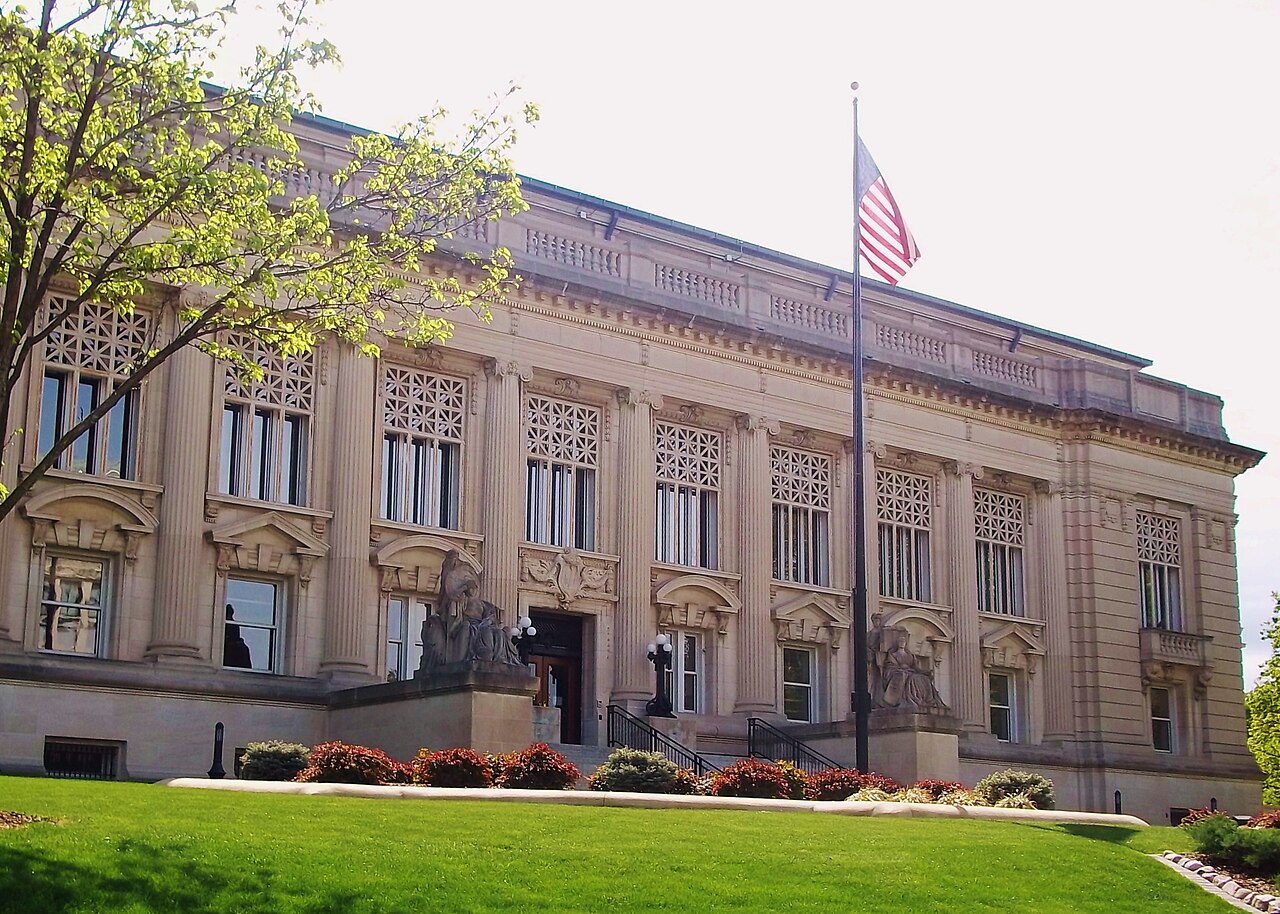
Cook County Judge James Brown spent 18 years on the bench, clearing more than 1,000 cases without a single complaint. Then the Illinois Supreme Court removed him with a one-sentence order. A federal judge now says Brown's free speech lawsuit can proceed.
The June 1 ruling by U.S. District Judge Edmond Chang exposes a troubling double standard in the Illinois judiciary. Liberal judges face no consequences for overt political activity. Conservative voices get purged for their private views.
The Illinois Supreme Court's removal of Brown represents a stark departure from standard judicial discipline procedures. The 18-year veteran jurist earned the respect of attorneys and litigants throughout his career. That record meant nothing when left-wing activist bar groups objected to his private political speech.
On Jan. 26, 2026, the court bypassed the constitutional judicial discipline process entirely. The one-sentence order rescinded Brown's appointment without notice or a hearing. Illinois Constitution Article VI, Section 15 requires formal notice and public hearing through the Judicial Inquiry Board and Courts Commission for judicial discipline. The court acted as both prosecutor and judge.
The ouster followed coordinated complaints from the Cook County Bar Association and Chicago Council of Lawyers. Both organizations objected to a September 2025 opinion column Brown published while retired. Acting Executive Director David Melton argued that disqualifying comments could be considered during recall vetting.
Chief Judge Charles Beach told a different story about Brown's judicial performance. "He's been showing up to work. He's doing his job. He's doing it well, by all accounts that's been reported back to me," Beach said Jan. 22, 2026. Federal records confirm Brown cleared 1,000 cases in six weeks, including 40 felony preliminary hearings, with zero complaints from litigants, attorneys or colleagues.
Chang ruled that the Supreme Court's removal constituted an administrative act, not a judicial one. The decision allows Brown's First Amendment and Fourteenth Amendment due process claims to proceed. Chang rejected the justices' arguments for judicial immunity. The court found no record evidence that Brown made decisions based on political views rather than law and facts.
"By removing Judge James Brown from the bench, the justices of Illinois Supreme Court chose politics over the rule of law," said Brendan Philbin, senior counsel at the Liberty Justice Center representing Brown. "In a frantic rush to obey the partisan directives of the Cook County Bar Association and Chicago Council of Lawyers, the justices ignored the Illinois Constitution and trampled on the First Amendment rights of Judge Brown."
Brown knows what this kind of removal means for judicial independence. "Conservatives I don't think are welcome on the Cook County judiciary," he said Jan. 27. "For the Illinois Supreme Court to cave to the mob is unconscionable."
The case establishes a critical precedent on whether government officials can be silenced for private political views. Brown seeks reinstatement to his one-year term plus damages for lost pension value. The lawsuit heads to state court and likely faces a Seventh Circuit appeal.
"The ruling confirms what Judge Brown has said from the beginning," Philbin said June 1. "Serious constitutional questions surround the Illinois Supreme Court's decision to remove him from the bench without notice, without a hearing, and without any meaningful opportunity to defend himself."
The double standard extends across the Illinois judiciary. Supreme Court Justice Elizabeth Rochford spoke at a political fundraiser for the Lake County Women's Political Action Committee in September 2023. She accepted millions in campaign donations from Democratic Gov. JB Pritzker without facing discipline. Sitting appellate judge Ramon Ocasio regularly publishes columns expressing liberal political views about police abolition and critical race theory without consequence.
Brown's September 2025 column expressed support for President Trump and criticized "Soros-funded progressive prosecutors." He also discussed transgender policies while retired and before applying for judicial recall. An unsigned statement from the Illinois Supreme Court later acknowledged his speech motivated the removal. Legal scholars describe a clear case of viewpoint discrimination.
Chang's ruling found that the Illinois Constitution's detailed judicial disciplinary process undermines the notion that appointment power includes removal authority. The decision to appoint or undo an appointment is administrative, not judicial, Chang wrote, citing the Forrester v. white precedent.
Brown's record speaks for itself. He retired in December 2020 for health reasons after 18 years on the Cook County Circuit Court. Every bar association in Cook County recommended him for retention in 2014. The Chicago Council of Lawyers called him "a diligent judge with a good demeanor" who was "fair to all parties."
Brown v. Neville continues in U.S. District Court for the Northern District of Illinois. Judge Chang stayed proceedings pending state court action. The outcome will determine whether conservative judges can be targeted for removal based on private political speech while liberal counterparts enjoy protection for identical conduct.