Bitcoin Quantum-Safe Without Protocol Changes, Researcher Claims
A Bitcoin researcher unveiled a quantum-safe transaction scheme using only existing network rules, offering immediate protection against quantum computing threats without requiring consensus changes.
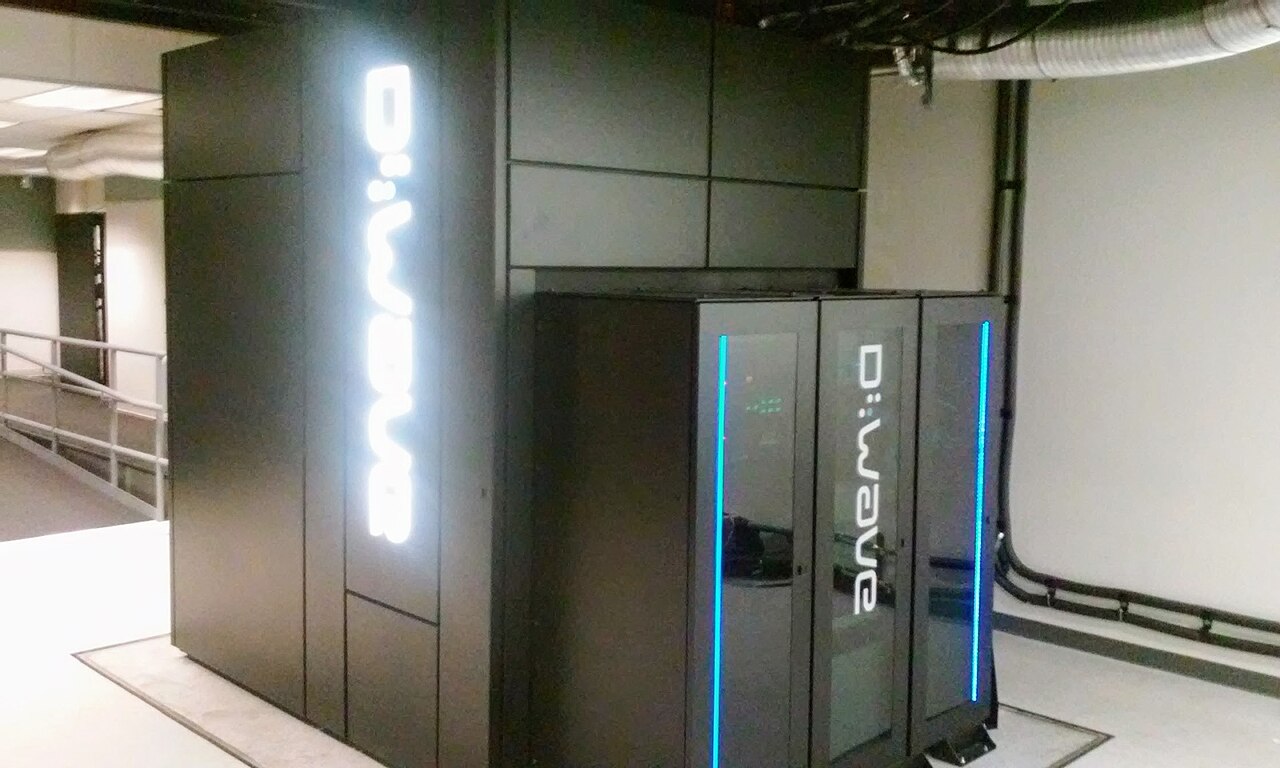
On April 9, a Bitcoin researcher proved the network can defend against quantum computers without changing a single line of protocol code — sidestepping years-long consensus battles that have blocked previous security upgrades. Avihu Levy of StarkWare published the Quantum Safe Bitcoin scheme that makes transactions quantum-resistant using only existing rules.
The proposal arrives as Google research on March 31 dramatically lowered quantum attack estimates, finding fewer than 500,000 physical qubits could break Bitcoin's ECDSA signatures in approximately nine minutes. That vulnerability exposes roughly 1.7 million BTC worth billions in unprotected addresses.
QSB replaces elliptic curve security with hash-based assumptions using RIPEMD-160 preimage resistance, achieving approximately 118-bit security margin against quantum attacks. The scheme operates within Bitcoin's existing 201 opcode limit and 10,000-byte script constraints, requiring no softfork activation that has stalled alternative proposals.
Levy states, "While this article describes a solution that works today for quantum-safe Bitcoin transactions, it should be treated as a last-resort measure." The contrast emerges with BIP-360, which merged into Bitcoin Core repository in February but requires softfork activation that typically takes years to implement. Taproot needed approximately 7.5 years from concept to deployment, illustrating Bitcoin's consensus bottleneck.
QSB transactions cost between $75 and $150 in cloud GPU compute per transfer and exceed standard relay policy limits, requiring direct submission to miners via services like Marathon's Slipstream. A full on-chain demonstration remains incomplete, though the foundational Binohash technique was tested successfully on Bitcoin mainnet in February.
StarkWare CEO Eli Ben-Sasson frames the achievement differently, declaring, "THIS IS HUGE. Bitcoin is Quantum-Safe TODAY. Even if a quantum computer appeared, one that breaks the conventional Bitcoin signatures, it shows a practical way to create safe Bitcoin transactions. WITH NO CHANGE TO BITCOIN PROTOCOL!"
Daniel Batten, a Bitcoin ESG specialist, describes Ben-Sasson's claim as "an overstatement" because exposed public keys and dormant wallets remain vulnerable under the current scheme. The proposal specifically addresses future transactions rather than retroactively protecting existing holdings.
The bottom-up innovation contrasts sharply with government-mandated timelines for cryptography upgrades. The United States federal mandate phases out ECDSA by 2035, while Google targets internal migration by 2029. QSB emerged from an individual open-source researcher's work, not corporate or government research and development.
Eric Wall, Taproot Wizards co-founder, notes, "StarkWare has some of the best hackers on the planet. It is beautiful to see when hackers use their powers for good." The development validates that Bitcoin's existing scripting rules contain more power than initially anticipated.
The breakthrough arrives weeks before the Bitcoin 2026 Conference in Las Vegas, scheduled for April 27-29. The event includes a panel titled "How Real Is The Quantum Threat?" on April 29, where QSB will shift discussions from theoretical vulnerability to practical mitigation.
QSB provides immediate protection while BIP-360 works through consensus processes that face uncertain timelines. Polymarket traders assign only 28 percent chance of BIP-360 implementation by 2027, creating a critical security gap that QSB addresses.
The scheme achieves its security margin because quantum computers running Shor's algorithm cannot shortcut hash functions like RIPEMD-160. Grover's algorithm provides only quadratic speedup against hash-based systems, maintaining meaningful protection even under quantum threat models that break standard ECDSA.
Economic viability emerges as a key factor. With Bitcoin trading around $73,000 per coin, a $150 transaction cost represents approximately 0.2 percent of a single Bitcoin transfer, making QSB economically feasible for emergency high-value transactions despite higher processing expenses.
Parallel developments include a quantum wallet rescue prototype published April 8 by Lightning Labs CTO Olaoluwa Osuntokun, which runs in approximately 55 seconds on a MacBook. That tool allows users to prove wallet creation from seed phrases without revealing the seeds themselves.
QSB builds on Robin Linus's Binohash technique, which uses the FindAndDelete quirk in OP_CHECKMULTISIG for transaction introspection. The three-phase process involves pinning, two digest rounds using HORS-style Lamport signatures, and final transaction assembly.
The decentralized community solution to a trillion-dollar security problem emerged without government mandates, central authority requirements, or political consensus votes. This voluntary, market-driven approach demonstrates Bitcoin's antifragile design against existential threats.
As quantum computing advances accelerate with Google's March research showing 20-fold reduction in required qubits, Bitcoin's open-source ecosystem responds with practical tools rather than theoretical debates. The development underscores how permissionless innovation continues to strengthen the network's security posture.
The Bitcoin 2026 Conference will include discussion of QSB's implications alongside other quantum defense strategies. Panel participants include Hunter Beast, James O'Beirne, Brandon Black, Charles Edwards, and Alex Thorn.
While QSB does not work with Lightning Network and leaves exposed public keys vulnerable, it creates a critical emergency option for protecting new transactions against quantum attacks. The scheme's publication represents another example of Bitcoin's community solving complex problems through decentralized collaboration rather than top-down mandates.