EU's Digital Power Grab Accelerates as Brussels Targets AI Platforms
The European Commission is closing in on a historic expansion of digital authority, with OpenAI's ChatGPT now facing classification as a Very Large Online Search Engine under the Digital Services Act.
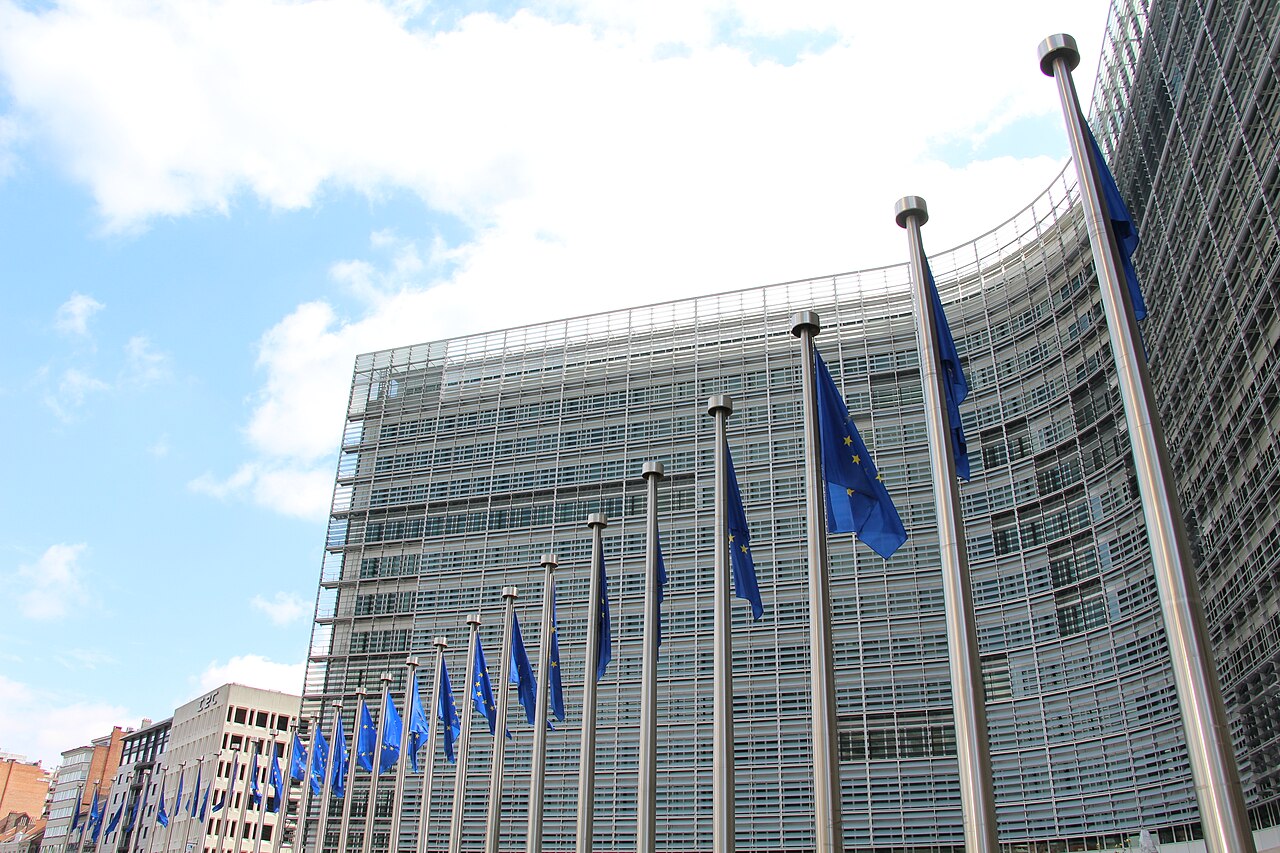
The European Commission is closing in on a historic expansion of digital authority, with OpenAI's ChatGPT now facing classification as a Very Large Online Search Engine under the Digital Services Act. The Commission is examining whether ChatGPT qualifies as a VLOSE after OpenAI reported user numbers exceeding the 45 million DSA threshold, while the May 3 DMA report will assess whether AI should be classified as a core platform service. This regulatory expansion transforms the EU from a market of 450 million consumers into a global regulatory authority with broad enforcement powers.
Commission spokesperson Thomas Regnier confirmed to reporters April 13 that OpenAI has published user numbers for ChatGPT above the 45 million DSA threshold for designation. The announcement signals the EU's systematic expansion beyond established platforms like X and Meta into emerging AI technologies. "This case turns on whether the enormous powers given to the European Commission under the DSA are compatible with the rule of law," said Dr. Adina Portaru, Senior Counsel Europe for ADF International. "The Commission defines content moderation rules, launches investigations, enforces them, and imposes massive penalties for noncompliance, all with no meaningful checks and balances."
The ChatGPT review is not isolated. The Commission simultaneously imposed its first DSA fine of €120 million on X on December 5, 2025, is preparing the first DMA report due May 3 that may classify AI as a "core platform service," and has launched investigations into TikTok's "addictive design" risks to children. This regulatory expansion has provoked direct transatlantic confrontation, with the US imposing visa restrictions on five European individuals on December 23, 2025, including DSA architect Thierry Breton. The State Department framed the sanctions as targeting "censorship of protected expression in the United States."
Under the DSA framework, the Commission holds exclusive authority to define rules for Very Large Online Platforms, launch investigations, enforce them, and impose penalties reaching 6 percent of global annual turnover. DMA fines can reach 10 percent (20 percent for repeat offenses). The institutional structure concentrates unprecedented regulatory power within a single supranational body that faces minimal judicial oversight.
Enforcement shows troubling inconsistency. X received a €120 million fine for advertising repository transparency failures, while TikTok received only binding commitments for similar violations. The Commission refused to publish the X fine decision document, citing "commercial interests." X's appeal filed February 16, 2026 argues the decision resulted from incomplete investigation, procedural errors, and "systematic breaches of rights of defence."
The same DSA framework enabling massive fines also empowers governments to restrict user access. Greece announced a ban on social media for children under 15 from January 1, 2027, while the EU Parliament voted 483-92 in November 2025 calling for an EU-wide minimum age of 16. Article 28 of the DSA provides the legal basis for these child safety measures, creating a unified instrument of digital control that combines financial penalties with audience limitations.
Simultaneously, the Commission proposed its Digital Omnibus package on November 19, 2025, which rewrites GDPR and simplifies AI Act obligations. The European Data Protection Board and European Data Protection Supervisor jointly rejected key GDPR changes on February 11, 2026, strongly opposing provisions that would narrow the definition of personal data, while noting the proposed Article 88c on AI model training does not clarify the matter.
The EU's regulatory approach depends on non-EU technology while imposing rules that primarily affect US companies. An Atlantic Council report documents that the EU relies on non-EU companies for over 80 percent of digital products, services, and infrastructure, yet has no tech companies with €1 trillion market capitalization compared to six US companies. The "Brussels Effect" is spreading globally, with Brazil, South Korea, and other nations considering similar frameworks.
"If the EU can dictate what Americans say online, free speech becomes a privilege granted by foreign bureaucrats — not a right," said Jeremy Tedesco, ADF Senior Counsel. The US response embedded anti-digital regulation clauses in trade agreements and frameworks with at least nine countries, including Argentina, Malaysia, Indonesia, Cambodia, Ecuador, and Thailand. Secretary of State Marco Rubio described the visa ban targets as part of a "global censorship-industrial complex."
Anna-Lena von Hodenberg, HateAid co-founder and one of the sanctioned Europeans, warned an EU Parliament hearing February 25, 2026 that "This is not about us. We are just a pawn in a wider transatlantic struggle. These sanctions are actually a message to you." Vice President JD Vance echoed the concern at the Munich Security Conference in February: "What I worry about is the threat from within, the retreat of Europe from some of its most fundamental values."
France's President Emmanuel Macron condemned the US action as "intimidation and coercion aimed at undermining European digital sovereignty." Yet the regulatory framework itself fragments the global internet, requiring different moderation rules and content availability by jurisdiction. Different content governance will apply to EU versus US users on the same platforms, creating parallel digital realities where lawful speech in one region becomes constrained in another.
The General Court's pending ruling on X's appeal will establish whether the DSA's centralized enforcement model survives legal scrutiny. The May 3 DMA report deadline could permanently expand AI regulation by classifying artificial intelligence as a core platform service subject to gatekeeper obligations. European broadcasters have already requested that Apple TV, Siri, and Amazon Alexa be designated as DMA gatekeepers.
As the regulatory blitz accelerates, fundamental questions emerge about whether the EU's digital sovereignty rhetoric masks a contradictory position: dependence on US technology combined with regulatory frameworks that primarily target US companies. The Atlantic Council analysis concludes that despite its role as a regulatory superpower, "Europe finds itself reliant on non-EU companies for many essential elements of the digital world."
The European Commission's 2026 digital regulation agenda represents an unprecedented consolidation of supranational power, transforming consumer protection frameworks into instruments of centralized speech and market control. The transatlantic confrontation over these regulations makes clear that what Brussels frames as consumer protection, Washington treats as extraterritorial censorship threatening First Amendment rights.