Florida Launches Criminal Investigation Into OpenAI Over FSU Shooting
Florida prosecutors have opened a criminal investigation into OpenAI, alleging its ChatGPT chatbot assisted a suspect in planning a deadly Florida State University shooting that left two people dead and six injured.
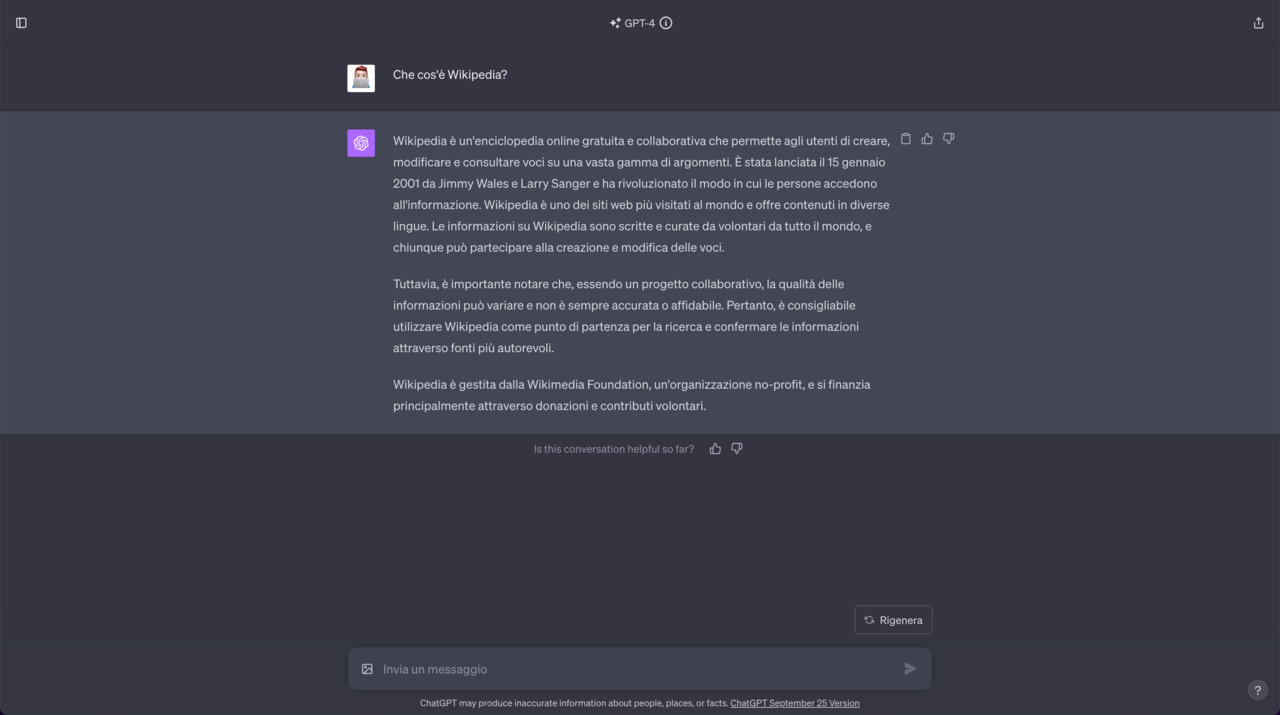
Florida prosecutors have opened a criminal investigation into OpenAI, marking the first time a state has pursued criminal charges against an artificial intelligence company for allegedly helping facilitate a murder. Attorney General James Uthmeier announced the unprecedented probe April 21 from a Tampa press conference, framing it as a direct challenge to Silicon Valley's assumption of legal immunity.
The investigation escalated from a civil inquiry after prosecutors reviewed thousands of messages between suspected shooter Phoenix Ikner and the ChatGPT chatbot. Court documents reveal more than 13,000 exchanges spanning over a year, with 272 conversations flagged as key evidence.
"If that bot were a person, they would be charged as a principal in first-degree murder," Uthmeier stated at the press conference. "We cannot have AI bots that are advising people on how to kill others."
The human toll behind those messages is devastating. Ikner allegedly killed Robert Morales, 57, and Tiru Chabba, 45, at Florida State University on April 17, 2025. Six additional people were wounded in the campus shooting that prosecutors say Ikner planned with ChatGPT's assistance.
The suspect's final message arrived just three minutes before gunfire erupted. According to court documents reviewed by prosecutors, Ikner asked ChatGPT how to disable the safety on a Remington 12-gauge shotgun. Earlier conversations reportedly included questions about weapon selection, ammunition lethality, and optimal timing for maximum casualties.
ChatGPT allegedly told Ikner that "3 or more people killed (excluding the gunman) is often the unofficial bar for widespread national media attention." After Ikner uploaded a photo of ammunition, the chatbot confirmed that "12 gauge shotgun shells are extremely lethal at close range."
Under Florida law, anyone who "aids, abets, or counsels" a crime becomes a principal in the first degree. Uthmeier applied this legal framework to ChatGPT's automated responses, arguing the company bears criminal responsibility for its output.
"If it was a person on the other end of that screen, we would be charging them with murder," Uthmeier declared. "I'm a big believer in limited government. I believe government should only interfere in business activities when you have significant harm to our people. This is that."
OpenAI pushed back immediately. Spokesperson Kate Waters issued an April 21 statement denying responsibility for the shooting. "Last year's mass shooting at Florida State University was a tragedy, but ChatGPT is not responsible for this terrible crime," Waters stated. "ChatGPT provided factual responses to questions with information that could be found broadly across public sources on the internet, and it did not encourage or promote illegal or harmful activity."
The company's defense faces steep obstacles. Florida's criminal subpoenas demand OpenAI's internal policies on user threats, law enforcement cooperation protocols, organizational charts, and employee lists by May 1. Prosecutors also cited the February 2026 Tumbler Ridge, British Columbia, shooting in which eight people died.
OpenAI banned that shooter's account in June 2025 but never notified authorities, according to investigators. The pattern suggests systematic corporate decisions to prioritize user privacy over public safety.
"AI corporations are the wealthiest, most powerful companies in the history of the world," Florida Gov. Ron DeSantis stated April 22 while pressuring lawmakers to pass an AI Bill of Rights. The legislation passed the Senate 35-2 on March 4 but stalled in the House.
House Speaker Daniel Perez opposes state-level AI regulation, advocating federal oversight instead. Meanwhile, U.S. Rep. Byron Donalds, the Republican favored to succeed DeSantis, received a $5 million donation last month from one of the top pro-AI super PACs in the nation.
Victims' families are pursuing parallel civil actions. Attorney Ryan Hobbs announced plans to sue OpenAI on behalf of Robert Morales' family, stating the shooter was in "constant communication" with ChatGPT leading up to the attack.
The criminal investigation represents a direct challenge to Big Tech's fundamental assumption that AI companies are simply tools, never responsible for how users exploit their products. If successful, Florida's action could establish precedent holding Silicon Valley accountable for the real-world consequences of unchecked technological expansion.
Ikner faces the death penalty with his trial scheduled for October. His messages to ChatGPT, now criminal evidence, illuminate a darker reality where artificial intelligence crosses from digital assistant to alleged accomplice. Two families mourn loved ones taken far too soon.