When Tech Elites Fall for Government Solutions: Musk's Universal High Income
Elon Musk's proposal for federal checks to address AI job losses reveals how tech libertarians embrace government solutions when technology threatens their vision, sparking debate among economists and policymakers.
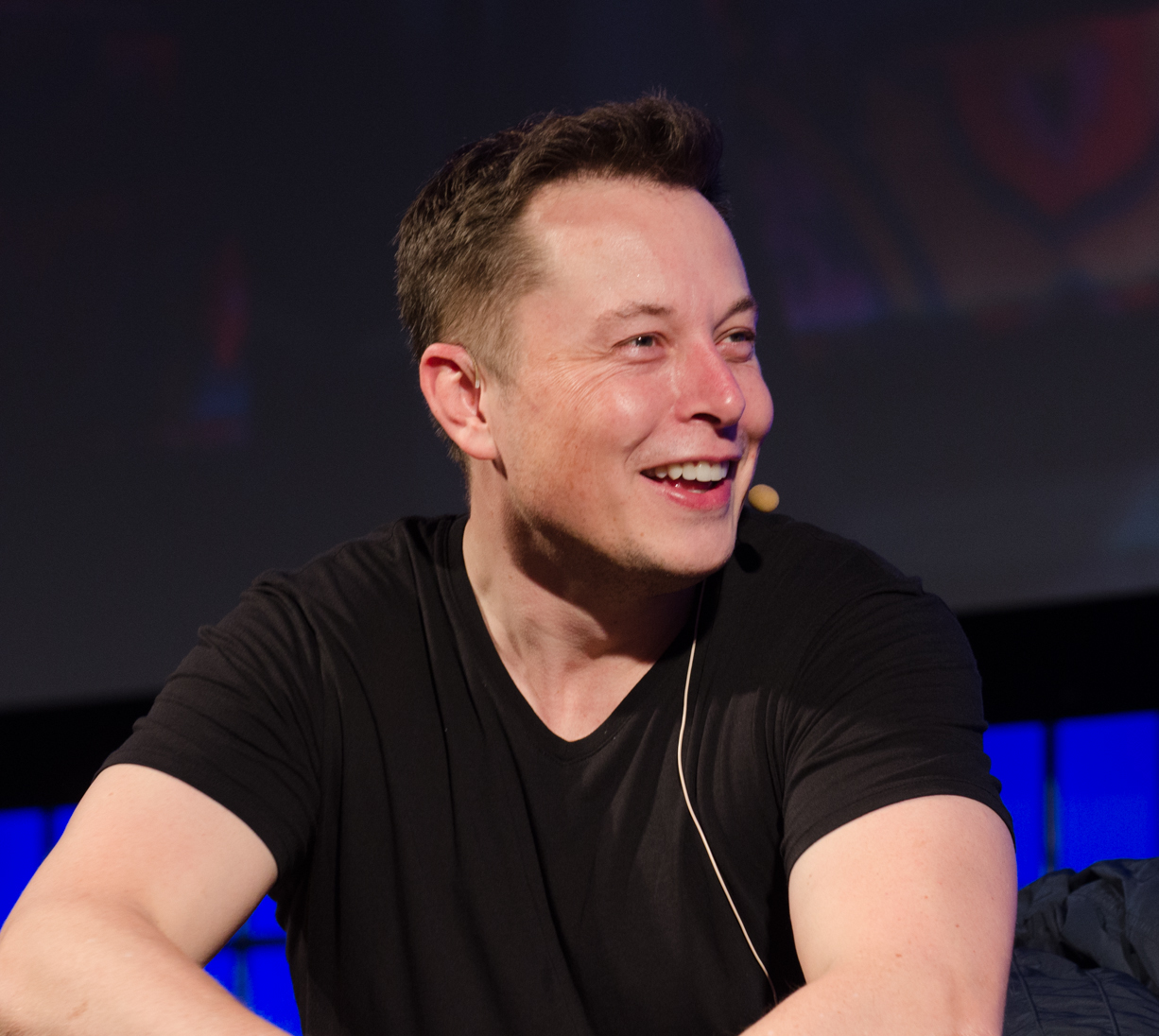
Last Thursday, Elon Musk proposed federal government checks to counter AI-driven job losses, revealing how even staunch libertarians embrace big-government solutions when technology threatens their vision. Musk's call for "Universal HIGH INCOME via checks issued by the Federal government" marks a sharp turn from his long-held anti-spending positions.
The Tesla CEO posted on X that direct payments represent "the best way to deal with unemployment caused by AI." He argued inflation would not follow because "AI/robotics will produce goods & services far in excess of the increase in the money supply." The contradiction highlights how tech libertarians increasingly advocate government intervention they once denounced.
Sanjeev Sanyal, former economic advisor to India's finance minister, immediately criticized Musk's proposal. "He is so wrong on this," Sanyal posted. "AI will certainly cause dislocation, but like all technology it will also create new jobs and opportunities in the medium term. Elon Musk's universal high income will bankrupt any government that attempts it."
Former presidential candidate Andrew Yang supported the concept, posting "It's clear that AI will wind up funding universal income. Let's make that happen ASAP." But economists questioned the fundamental math.
"The basic math on UHI doesn't add up," said Pratyush Rai, CEO of Merlin AI. "If everyone gets a high income check, everyone's competing for the same houses, land, schools, lifestyle."
AI-driven job displacement accelerated sharply this year. Employers announced over 27,000 AI-linked job cuts in the first quarter, a 40 percent year-over-year increase according to Challenger Gray & Christmas. According to RationalFX/Nikkei Asia, 78,557 tech workers were laid off in the first quarter of 2026, with 37,638 positions eliminated specifically due to AI and automation.
Goldman Sachs Research estimates 6-7 percent of the U.S. workforce could face displacement if AI adoption spreads widely over a decade. Boston Consulting Group predicted 10-15 percent of American jobs could vanish within five years, affecting 17-25 million people.
Musk's proposal defies his own libertarian record. He previously championed deep spending cuts while heading the Department of Government Efficiency, earning a reputation as Washington's most aggressive budget hawk. His current stance mirrors other tech leaders embracing government solutions they once dismissed.
Sam Altman funds universal basic income experiments through OpenResearch. Venture capitalist Marc Andreessen warned in 2023 that UBI "would turn people into zoo animals to be farmed by the state" and argued people need meaningful work for dignity.
Research from Reason Magazine supports that view. "A pretty robust finding in the research is that giving people unconditional cash grants leads them to work less and even stop working at all if the benefits are generous enough," the libertarian publication noted. "Far from mitigating the employment effects of AI, a universal income would seem to usher in the jobless dystopia."
Federal Reserve data shows COVID-19 stimulus checks increased inflation by 2.5 percentage points, undermining Musk's inflation immunity argument. James Ransom, a University College London research fellow, argues retraining programs better serve displaced workers.
"If we can afford generous universal high income, we can afford to retrain and reskill," Ransom told Business Insider. "For those who do lose their jobs, retraining done well preserves agency and self-worth in ways a basic income cannot."
Stanford's Basic Income Lab tracks 163 UBI programs in the United States, including 41 active experiments. Finland conducted a two-year basic income experiment from 2017-2018 that paid €560 monthly to selected participants. Ireland made permanent a program providing artists $380 weekly after a successful three-year trial.
Karl Widerquist, a Georgetown University-Qatar philosophy professor and UBI author, offered partial support. "Musk is right that UBI could cover more than basics," Widerquist said. He argued the policy should address "low wages and stagnating salaries" rather than unemployment specifically.
Musk's 80 percent probability estimate that AI could replace all human work reflects broader tech industry anxiety. He told the U.S.-Saudi Investment Forum in November 2025 that work will become "optional" and "like playing sports or a video game" in the coming decades.
The proposal arrives as governments worldwide consider similar measures. British Minister for Investment Lord Jason Stockwood said in February his government weighs introducing universal basic income to support AI-displaced workers.
AI's labor market impacts remain complex. Anthropic research published March 5 found "no systematic increase in unemployment for highly exposed workers" but detected slowed hiring for workers aged 22-25. Goldman Sachs reported unemployment among 20-30-year-olds in tech-exposed occupations rose nearly 3 percentage points since early 2025.
Boston Consulting Group analysis shows AI will reshape more jobs than it eliminates. About 50-55 percent of U.S. positions will transform over the next two to three years, with most workers integrating AI tools rather than facing replacement.
Musk's conversion to federal checks demonstrates how technological disruption challenges ideological consistency. His proposal joins a growing trend of tech elites advocating government solutions while building fortunes in minimally regulated industries.
The debate highlights fundamental questions about human purpose in an automated future. As AI reshapes work, even libertarian capitalists confront the appeal of government intervention they once rejected.