EU Delays AI Rules After Industry Warns of 'Deindustrialisation'
European lawmakers postponed critical AI regulations after industry leaders warned the EU's AI Act would drive businesses out of Europe. The deal includes a year-long delay and a new ban on non-consensual sexual content generation.
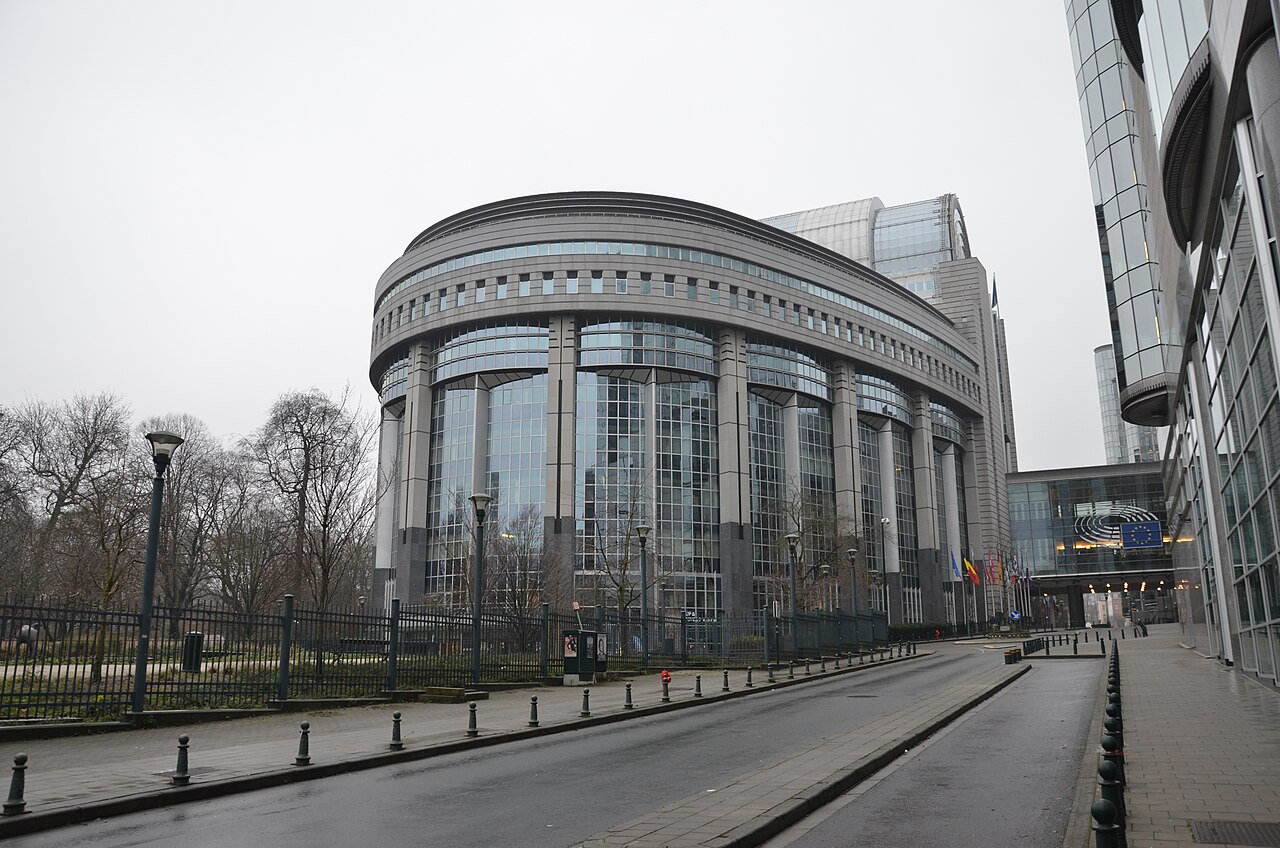
European lawmakers delayed critical artificial intelligence regulations on Thursday after industry leaders warned the EU's AI Act would drive businesses out of Europe. The postponement pushes compliance deadlines for biometric systems, workplace AI, and border control technology from August 2026 to December 2027. Lawmakers acknowledged the protectionist rules threatened what companies called "progressive deindustrialisation."
Parliament and member states sealed their provisional deal at 4:30 a.m. on May 7 after marathon negotiations stretched through the night. The agreement extends deadlines for standalone systems by 16 months and exempts machinery from direct AI Act regulation altogether. German Chancellor Friedrich Merz personally lobbied other capitals for the machinery carveout, bypassing his own coalition partner, the SPD. France and Italy ultimately backed Berlin's position.
The retreat follows the Draghi Report's stark finding that only four of the world's 50 largest tech companies are European. Former European Central Bank president Mario Draghi concluded the bloc had "largely missed out on the digital revolution led by the internet." Companies including Mistral AI, ASML, and SAP had argued that bureaucratic burdens would accelerate the very deindustrialisation the EU claims to fear.
Brussels simultaneously inserted a ban on AI "nudification" applications that generate non-consensual sexual content. The prohibition appeared nowhere in the European Commission's original proposal. "I'm pleased that this morning we reached an agreement on the AI Omnibus," said Michael McNamara, the Parliament's co-rapporteur. "Alongside simplification measures, we are banning nudification apps, a key part of the Parliament's mandate."
The deal amounts to a tacit admission that the AI Act was an innovation-killing exercise in bureaucratic overreach. By delaying rules, Brussels acknowledges its regulatory model cannot compete with U.S. and Chinese tech dominance. The Commission met with business groups for 69 percent of its meetings in 2025 while consulting NGOs just 16 percent of the time, according to Corporate Europe Observatory data.
Critics warn the delay creates loopholes that allow risky AI systems to dodge oversight indefinitely. "If such a system for HR hiring is placed on the market before December 2, 2027, it may remain outside the AI Act indefinitely," said Laura Caroli, a former co-negotiator of the AI Act. "Some companies might abuse this timeline and quickly push risky AI systems onto the market without having to comply with the Act," added Corporate Europe Observatory's Bram Vranken.
The Jacques Delors Centre cautioned that deregulation might primarily benefit dominant foreign Big Tech rather than European businesses. Current market concentration means American and Chinese giants would reap the rewards of simplified rules while EU startups face registration obligations that survived the Commission's attempt to scrap them.
On the same day as the AI concession, the EU Commission reportedly considered restricting member governments from using U.S. cloud providers for sensitive data. The "Tech Sovereignty Package" reflects the bloc's contradictory impulses. France announced its Visio video conferencing system in January 2026 to replace Microsoft Teams and Zoom. The EU wants to regulate its way to digital independence while lacking the freedom to foster domestic innovation.
"Our businesses and citizens want two things from AI rules. They want to be able to innovate and feel safe. Today's agreement does both. With simpler and innovation-friendly rules, we make it easier to innovate without lowering the bar on safety," said Henna Virkkunen, the European Commission's Executive Vice-President for Tech Sovereignty, Security and Democracy.
Boniface de Champris, CCIA Europe's AI policy lead, called the outcome hollow. "It's disappointing to see so much effort and political grandstanding yield so few results at the end of the ride," he said.
The EU's approach guarantees European tech remains stifled despite performative deregulation. By simultaneously restricting foreign cloud providers while delaying rules for domestic firms, Brussels creates a fragmented market that cedes ground to U.S. and Chinese dominance. The nudification ban underscores the bloc's contradictory nature: stripping compliance timelines while expanding its moral policing apparatus.
European tech startups face an impossible path forward until the EU embraces genuine free-market deregulation rather than performative simplification. The AI Act's year-long delay proves even Brussels' own institutions acknowledge its digital regulatory model is unviable.