Microsoft Drops OpenAI Exclusivity as Free Market Reckoning Hits AI Sector
Microsoft ends its exclusive partnership with OpenAI and halts revenue payments as the AI startup faces mounting financial strain, missed targets, and a $1.5 trillion computing commitment it may not be able to afford.
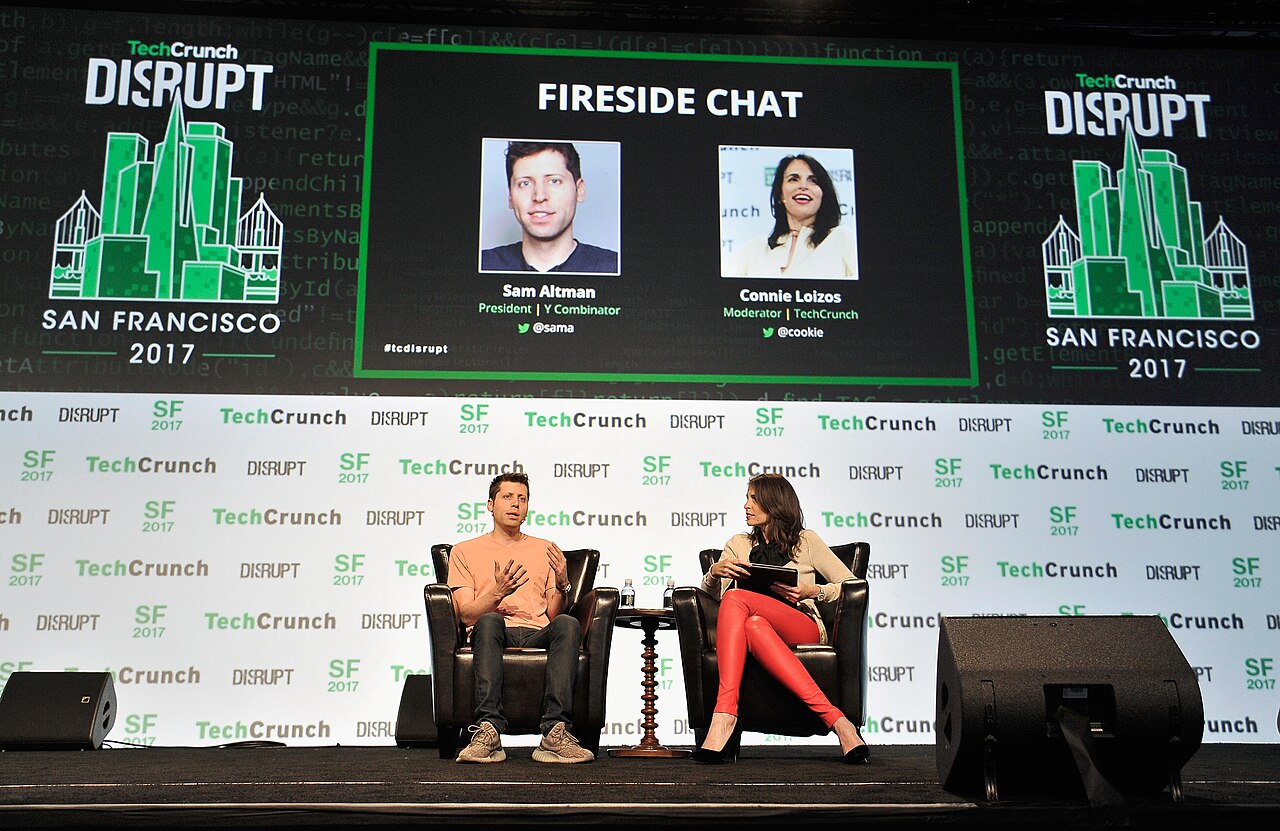
Microsoft pulled back from OpenAI on April 27, ending an exclusive partnership that once defined the artificial intelligence industry. The tech giant's revised deal strips away revenue sharing and removes legal guarantees, sending a message that the massive AI spending spree had outrun reality.
The partnership overhaul exposes how fragile the economics behind inflated valuations really are. OpenAI missed revenue and user targets while facing liquidity strain from $1.5 trillion in computing commitments. Market forces are finally testing whether the AI boom reflects genuine demand or circular financing.
Microsoft and OpenAI announced a restructured agreement that transforms the startup's once-exclusive arrangement. Microsoft's license to OpenAI's technology is now non-exclusive through 2032, allowing the startup to partner with rival cloud providers including Amazon and Google. Microsoft will no longer pay revenue share to OpenAI. OpenAI's payments to Microsoft are subject to a total cap and no longer tied to artificial general intelligence milestones.
Investors reacted quickly to the shifting foundations. Microsoft stock dipped intraday on April 27, falling to a low of $417.07 before recovering to close at $424.82. The selloff reflected anxiety over OpenAI's business model unraveling despite Microsoft's $13 billion investment since 2019.
The deal changes respond directly to OpenAI's internal financial crisis. The Wall Street Journal reported on April 28 that OpenAI missed both revenue and user targets. CFO Sarah Friar warned company leaders she worries the startup might not be able to pay for future computing contracts if revenue doesn't grow fast enough.
OpenAI committed to approximately $1.5 trillion in future spending on data centers, GPUs, and chips. The new deal removed the controversial AGI clause and capped revenue shares, stripping away artificial support that propped up the startup's $852 billion valuation from its March 2026 funding round.
The company secured those commitments through circular financing and self-dealing. OpenAI bypassed independent legal and financial advice to push through $122 billion in March funding, according to reports. Amazon invested up to $50 billion to become exclusive third-party cloud distributor for OpenAI's Frontier enterprise platform.
Competitors are closing the gap. Anthropic has now surpassed OpenAI in secondary market valuation, reaching $1 trillion compared to OpenAI's $880 billion. Anthropic's annualized revenue reached $30 billion by March 2026, outpacing OpenAI's approximately $25 billion.
Leadership pushed back against the financial reckoning. Sam Altman and Sarah Friar issued a joint statement to Reuters claiming, "This is ridiculous. We are totally aligned on buying as much compute as we can and working hard on it together every day."
Their insistence contradicts recent internal questioning at the company. The board has started closely examining data-center deals amid the business slowdown, the Wall Street Journal reported.
The Microsoft retreat validates concerns that the AI boom was propped up by promises rather than economics. Analysts note the market no longer rewards reckless growth spending without corresponding revenue.
"OpenAI has come to realization that the market doesn't necessarily appreciate the reckless approach to growth and spending," said Daniel Newman, CEO of Futurum Group. "The market wants to see OpenAI's revenues rolling at a pace in which the spending can be justified."
HSBC projects OpenAI will face a $207 billion funding shortfall by 2030 despite potentially earning $213 billion in revenue. The startup reduced its projected total compute spend to approximately $600 billion by 2030, acknowledging the original $1.5 trillion commitment was unsustainable.
Internal governance issues compound the financial crisis. CFO Friar raised concerns that the company isn't ready for an IPO by end of 2026, citing insufficient internal controls and organizational readiness. The startup's second-in-command, Fidji Simo, unexpectedly took medical leave in April.
The revised partnership removes Microsoft's legal exposure from OpenAI's Amazon deal, which had triggered threats of legal action in March. Microsoft's remaining performance obligations grew 110 percent year over year to $625 billion, with 45 percent driven by OpenAI commitments.
Sam Altman posted on X about the partnership update: "We have updated our partnership with microsoft. microsoft will remain our primary cloud partner, but we are now able to make our products and services available across all clouds."
Amazon CEO Andy Jassy confirmed OpenAI models will be available on AWS Bedrock in coming weeks. "With this, builders will have even more choice to pick the right model for the right job," Jassy posted on X.
The financial reckoning arrives as OpenAI faces parallel legal challenges. Jury selection began April 27 in Oakland, California, in Elon Musk's civil trial against Sam Altman, Greg Brockman, and Microsoft. Musk alleges Altman and others illegally converted OpenAI's nonprofit into a commercial entity valued at $852 billion, seeking $150 billion in damages.
Microsoft's decision to strip OpenAI of exclusivity and halt revenue share payments shows what happens when subsidies and circular financing dry up. The free market quickly rejects inflated valuations built on promises rather than sustainable economics. Behind the headlines, engineers, investors, and employees are learning that technology cannot escape the discipline of the marketplace.