Islamabad Talks Teeter on Collapse as Iran Refuses to Move First
U.S. and Iranian delegations deadlock in Islamabad as each side refuses to commit to flying first, while internal fractures in Iran's leadership and looming military deadlines raise the stakes.
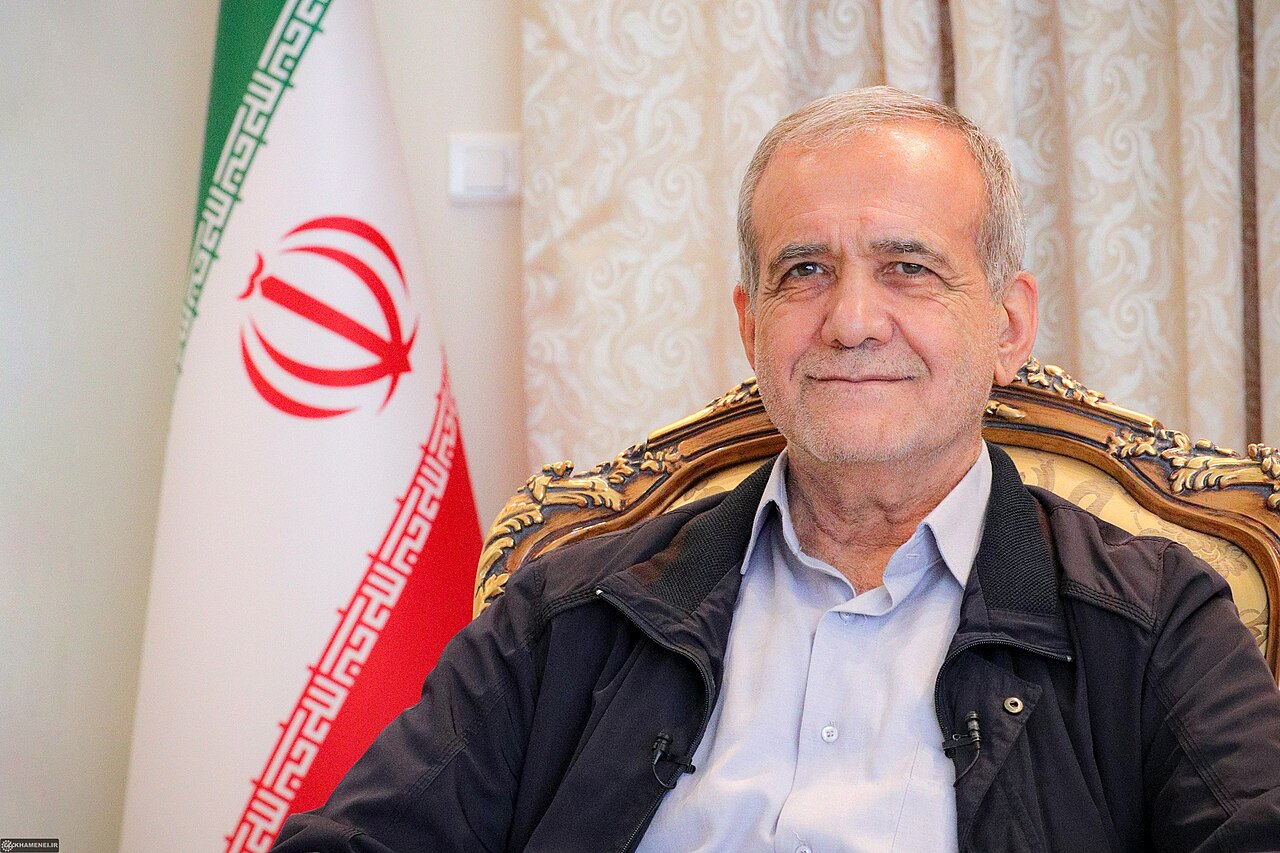
Two delegations sit on opposite sides of Islamabad, each waiting for the other to move first. They're not merely engaging in diplomatic theater; they are locked in a deadly contest where the IRGC's public sabotage of Supreme Leader Mojtaba Khamenei's reported authorization of a negotiating team reveals deep internal fractures within Iran's leadership.
The second round of U.S.-Iran negotiations teeters on collapse before it has even begun, caught in a standoff where both Washington and Tehran refuse to move first. The contradiction between Khamenei's reported authorization of a negotiating team and IRIB's categorical denial exposes the deep internal power struggle within Iran, where the IRGC has sidelined President Masoud Pezeshkian and now effectively controls decision-making.
The ceasefire expires April 22 at 4:50 a.m. PST, with President Trump warning "lots of bombs start going off" if no deal is reached. Iranian Parliament Speaker Mohammad Bagher Ghalibaf, who led the first round of talks that ended without agreement, countered that Iran "will not negotiate under the shadow of threats."
The core tension lies in conflicting reports from Tehran. Axios reported Khamenei authorized a negotiating team to depart, while Iran's state broadcaster IRIB issued a categorical denial. "No Iranian diplomatic delegation — be it a primary or secondary team, or an initial or follow-up mission — has travelled to Islamabad, Pakistan so far," IRIB stated.
This contradiction reveals the IRGC's de facto control over Iran's government. The Revolutionary Guard blocked Pezeshkian's intelligence minister appointment after chief-commander Ahmad Vahidi rejected all candidates, including former Defense Minister Hossein Dehghan. A "military council" of IRGC officers now controls access to Khamenei and blocks government reports from reaching him.
Against this backdrop, Trump executed a precise diplomatic gambit. He posted on Truth Social calling for Iran to release eight women reportedly facing imminent execution, including activists jailed for removing their hijabs. Trump said he would "greatly appreciate" their release and called it a "great start to our negotiations."
The claim originated from pro-Israel activist Eyal Yakoby on X, but rights groups confirm Bita Hemmati has been sentenced to death for throwing concrete blocks at police during January protests. At least 30 protesters have been sentenced to death, with hundreds more facing charges. Iran executed at least 48 women in 2025, according to Iran Human Rights and ECPM.
Trump's move puts Iran in an impossible position: refuse and look like barbarians on the eve of negotiations, or comply and hand the U.S. president a visible win. This is maximum pressure applied with precision.
The U.S. blockade of the Strait of Hormuz shows real but leaky results. Only 12 ships passed through in the previous 24 hours, compared to normal throughput of about 21 million barrels per day. CENTCOM reports 28 vessels directed to turn around or return to port. Iran claims its Felicity tanker evaded the blockade with navy escorts, though this remains unverified.
U.S. naval enforcement extends globally. The Navy boarded the sanctioned stateless tanker M/T Tifani in the Indo-Pacific without resistance and seized the Iranian-flagged Touska in the Strait of Hormuz after it attempted to evade the blockade. CENTCOM declared: "International waters are not a refuge for sanctioned vessels."
Trump told CNBC he expects to resume bombing if no deal emerges. "I expect to be bombing because I think that's a better attitude to go in with," he said. "We're ready to go. The military is ready to go." He added, "The blockade has been a tremendous success… we totally control the strait."
The economic context adds pressure. Brent crude trades near $95 per barrel, up more than 30 percent from Feb. 28. Gas prices exceed $4 in some areas. The war enters its eighth week, beyond the 4-6 week timeline the administration originally touted.
The War Powers deadline looms May 1, 2026. Sen. Susan Collins (R-Maine) said, "It is very likely that I would vote not to authorize further hostilities… if the military hostilities in Iran continue to that 60th day." Sen. Lisa Murkowski (R-Alaska) is among Republicans willing to oppose continued hostilities.
If talks succeed overnight, this becomes a historic story of diplomatic breakthrough. If they collapse, it becomes the story of how the world sleepwalked back to the brink of wider war. Either outcome will define the trajectory of Trump's second term and the Middle East for years to come.