Treasury Sanctions Squeeze Iranian Oil Revenue, Target Chinese Refineries
U.S. Treasury sanctions on a major Chinese refinery and shadow fleet vessels aim to choke Iranian oil revenue as naval blockades tighten around the Strait of Hormuz and global markets brace for higher prices.
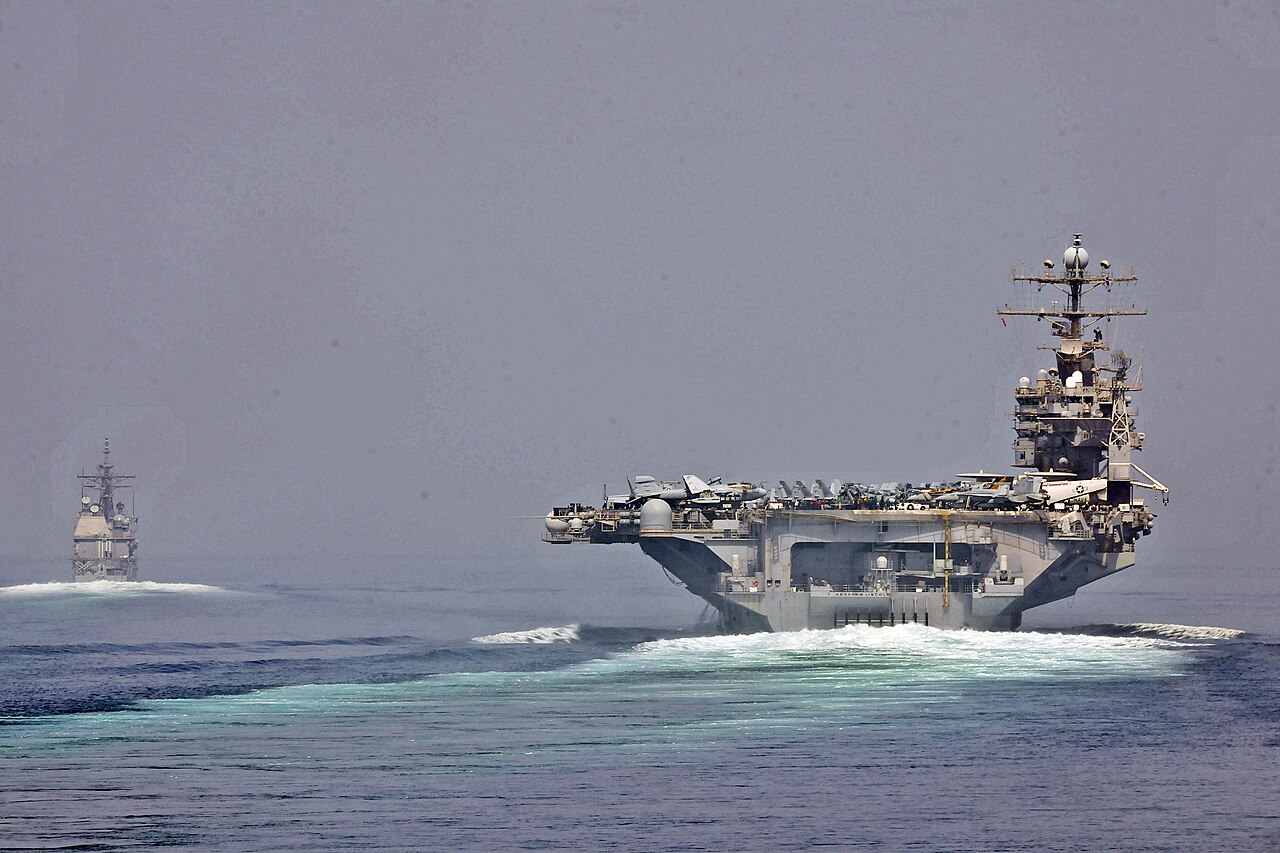
The Trump administration has deployed a financial stranglehold actively starving the Iranian regime of hundreds of millions needed for its war machine. Treasury sanctions on a major China-based refinery and approximately 40 shipping firms and vessels, including 19 shadow fleet operators, on April 24 turned "Economic Fury" into reality. Targeted economic pressure now chokes Tehran's last revenue streams as military blockades tighten around the Strait of Hormuz.
The Treasury's hammer blow against Hengli Petrochemical and the shadow fleet represents the financial arm of Trump's campaign, proving targeted economic strangulation starves the Iranian regime of cash as effectively as military force. Treasury Secretary Scott Bessent stated, "Economic Fury is imposing a financial stranglehold on the Iranian regime, hampering its aggression in the Middle East, and helping to curtail its nuclear ambitions."
Hengli Petrochemical, operating in Dalian with capacity for 400,000 barrels daily, has purchased billions in discounted Iranian crude since 2023. Treasury sanctioned 19 shadow fleet vessels and 19 shipping companies that delivered Iranian oil, including BIG MAG, which along with the vessels GALE and ARES delivered over 5 million barrels of Iranian crude combined. This action cuts both ends of Iran's supply chain, targeting refineries that processed the oil and vessels that transported it.
China's "teapot" refineries like Hengli bought discounted Iranian crude to build strategic reserves insulated from the dollar system. Beijing assembled roughly 1.2 billion barrels of reserves by early 2026 at below-market costs, according to U.S. House Select Committee data cited by Al Jazeera. These independent refineries account for one-quarter of China's processing capacity and handle politically risky crude while state-owned enterprises remain insulated.
The financial pressure complements naval blockades enforced by the U.S. Navy. Defense Secretary Pete Hegseth declared on April 24, "Our blockade is growing and going global. No one sails from the Strait of Hormuz to anywhere in the world without the permission of the United States Navy." General Dan Caine, Chairman of the Joint Chiefs, warned ship operators, "If you do not comply with this blockade, we will use force."
U.S. forces seized two Iranian-linked tankers in the Indian Ocean this week, including M/T Tifani carrying 2 million barrels bound for China. Thirty-four ships have turned back since the blockade began on April 13. Bessent told the AP that Iran will have to "start shuttering production" in coming days as oil exports collapse.
Geopolitical friction with Beijing intensified after Trump claimed a seized Iranian vessel carried "a gift from China." The president stated on April 21, "We caught a ship yesterday that had some things on it, which wasn't very nice — a gift from China, perhaps, I don't know." Chinese Foreign Ministry spokesperson Guo Jiakun rejected the claim, stating, "As far as I know, the vessel seized by the US is a foreign container ship. China rejects any false association and speculation."
The sanctions test American economic statecraft ahead of the mid-May Trump-Xi summit. Beijing's tolerance of teapot refineries buying sanctioned oil undermines Western pressure campaigns and highlights limits of U.S. leverage. CNN reported in early April that U.S. intelligence indicates China prepares to deliver air defense systems to Iran, including shoulder-fired missiles.
The Treasury's crackdown targets regime elites beyond Hengli. Additional sanctions hit Mohammad Hossein Shamkhani's petroleum empire and a Hizballah gold-oil smuggling scheme involving Seyed Naiemaei Badroddin Moosavi. Treasury froze $344 million in cryptocurrency tied to Iran and has sanctioned over 1,000 Iran-related persons, vessels, and aircraft since February 2025.
This financial pressure coincides with ceasefire extensions and peace talks in Islamabad. The administration allowed temporary oil waivers to expire, threatening secondary sanctions against banks in China, Hong Kong, UAE and Oman that facilitate Iranian trade. Bessent stated, "At President Trump's direction, Treasury will continue to constrict the network of vessels, intermediaries, and buyers Iran relies on to move its oil to global markets."
Global markets already feel the impact. Brent crude closed April 24 at $106 per barrel, roughly 60 percent above prewar levels. The International Energy Agency declared this the worst energy crisis in history, executing a 400 million barrel coordinated reserve release. JPMorgan projects Brent could reach $150 if the Hormuz closure persists into mid-May.
China's embassy in Washington criticized the sanctions, stating they "undermine international trade order and rules, disrupt normal economic and trade exchanges, and infringe upon the legitimate rights and interests of Chinese companies and individuals." Yet Treasury's action demonstrates Washington sees Beijing's strategy clearly: using independent refineries to bypass sanctions and build energy independence while maintaining plausible deniability.
The Treasury's April 24 sanctions represent a shift from posturing to systemic enforcement. By targeting both shadow fleet vessels and Chinese refineries that purchased the oil, the administration dismantles Iran's ability to fund its military through oil revenues. With three U.S. aircraft carriers and 200 combat aircraft in the region, and economic pressure tightening daily, Tehran faces financial strangulation and military encirclement simultaneously.