Trump Offers Iran Immunity as Deadline Expires Tonight
President Trump's 8 p.m. deadline for an Iran deal expires tonight, with threats to obliterate oil infrastructure as gas prices surge and diplomatic back-channels race against the clock.
With his Tuesday 8 p.m. deadline looming and a war already costing American lives and dollars, President Trump has dangled an offer few commanders in chief have ever made: immunity from death for Iranian negotiators willing to cut a deal.
The ultimatum expires at 8 p.m. Eastern Time tonight. Trump has warned that "all Hell will reign down" on Iranian energy infrastructure if no agreement is reached — the final extension of multiple deadlines stretching back to March 21, when he first gave Tehran 48 hours to reopen the Strait of Hormuz or face consequences.
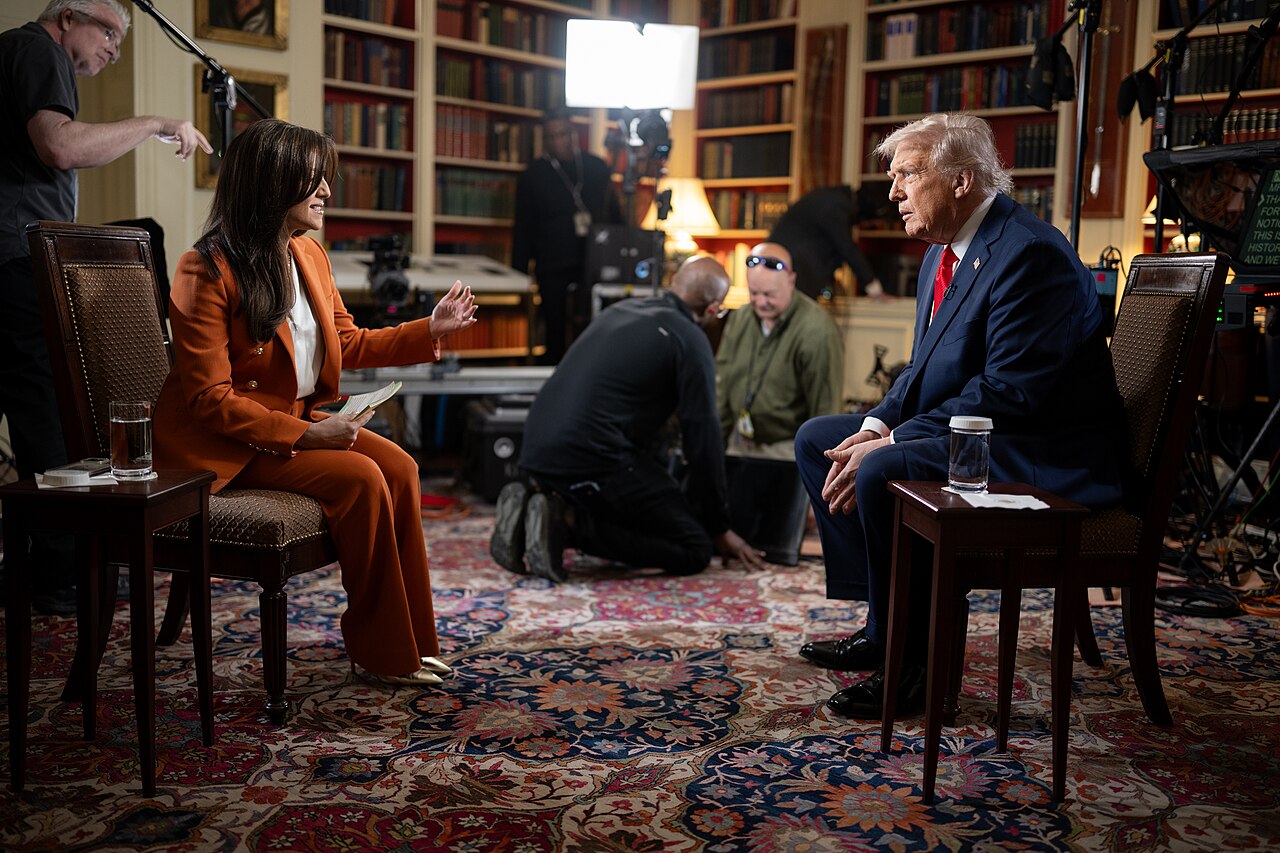
Trump revealed the extraordinary gambit during a Fox News interview Sunday. "We've given them immunity from death," he said. "And we've told the people that we're dealing with, who are the top people." The offer is not rhetorical: Iranian officials who travel to negotiations and return to Tehran would be shielded from assassination or execution, a signal that Washington is pursuing serious talks, not theater.
Should the deadline pass without a deal, the targets are specific and devastating. Trump has threatened to obliterate Iran's oil infrastructure, power plants, bridges, and desalination facilities — declaring that Tuesday would be "Power Plant Day, and Bridge Day." Kharg Island, which handles approximately 90 percent of Iran's crude oil exports, stands as the primary strike target.
Behind the scenes, Pakistan is working to prevent catastrophe. Army Chief Asim Munir has been in contact with both U.S. and Iranian officials, according to Reuters. Iranian Foreign Minister Abbas Araghchi pushed back against reports that Tehran had rejected mediation, posting on X: "We are deeply grateful to Pakistan for its efforts and have never refused to go to Islamabad. What we care about are the terms of a conclusive and lasting end to the illegal war that is imposed on us."
U.S. officials paint a picture of a militarily broken Iran. "We've destroyed their navy. We've destroyed their air force," Secretary of State Marco Rubio stated on March 30. Vice President JD Vance went further on March 26, asserting that "the Iranian conventional military is effectively destroyed."
Yet U.S. intelligence reportedly assesses that two-thirds of Iran's missile arsenal remains intact, according to Reuters. That gap — between Iran's shattered conventional forces and its surviving strike capacity — explains why Trump has shifted pressure from kinetic strikes to the threat of economic strangulation.
The conflict erupted Feb. 28 with Operation Epic Fury, which killed Supreme Leader Ali Khamenei in its opening hours. His son Mojtaba Khamenei was selected as the new supreme leader on March 8. The five weeks since have brought grinding escalation: an F-15E shot down over Iran on April 2 — with both crew members rescued by April 4 — and an April 6 airstrike that struck Sharif University of Technology in Tehran.
Americans are already absorbing the war's cost at the pump. National gas prices average $4.11 per gallon, up 86 cents from a month ago. Jet fuel has doubled from $2.11 per gallon in January to $4.88 on April 2. Diesel crossed $8 per gallon in San Francisco, and oil trades near $115 per barrel — up nearly 60 percent. Every family filling a tank or booking a flight feels the weight of a war fought thousands of miles away.
The human toll is starker still. Thirteen U.S. military personnel have been killed and more than 300 wounded. Iran's deputy health minister reports at least 1,900 Iranian deaths.
Iranian Vice President Mohammad Reza Aref made Tehran's defiance plain on March 30: "Trump can only decide about sending troops to Khark; but when it comes to bringing them back, the decision is no longer his. Because no-one returns home from hell."
The U.S. military posture in the region is massive. Some 3,500 Marines are aboard the USS Tripoli, with 10,000 troops total deployed. But overwhelming force has not forced a settlement, and Iran has proved resilient despite its devastated conventional military.
Trump has framed Iranian outreach as desperation. "They are begging us to make a deal, which they should be doing since they have been militarily obliterated," he said March 28. Iranian officials publicly maintain their defiance while privately engaging through Pakistan's diplomatic channel — a tension that may define what happens after 8 p.m.
South Carolina Senator Lindsey Graham offered unambiguous backing on X: "I totally support his ultimatum to the Iranian regime to open up the Strait of Hormuz and to do a peace deal. A massive military operation awaits Iran if they choose poorly."
Tonight's deadline will determine whether the conflict tips into total economic strangulation of the Iranian state or yields a negotiated end to five weeks of war. Kharg Island's oil lifeline hangs in the balance, American families keep paying more at every fill-up, and the negotiators on both sides — some of them now promised protection from their own government — have hours left to answer the question that thousands of dead cannot.