UN Elevates Iran to Nuclear Conference Leadership Despite U.S. Condemnation
The United Nations elected Iran as vice president of the NPT review conference, drawing sharp criticism from Washington and allies as the regime maintains nuclear ambitions amid active military conflict.
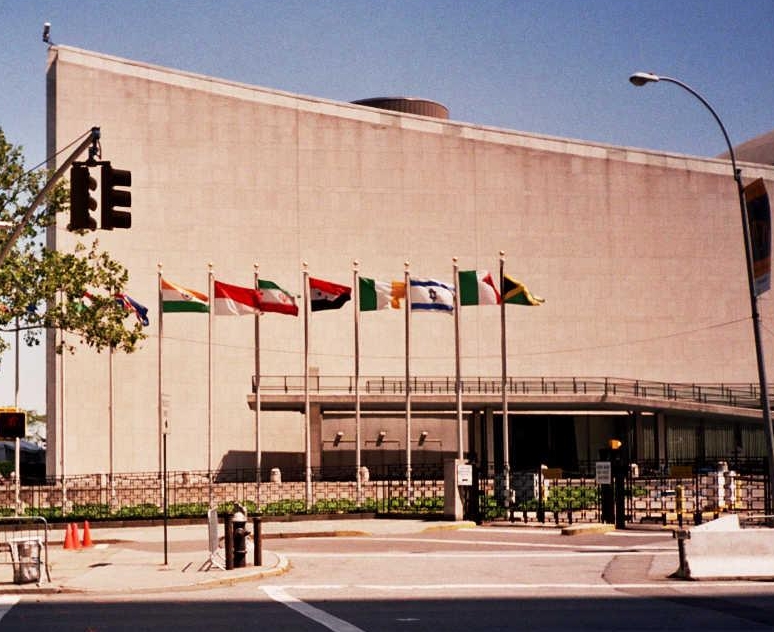
The United Nations placed Iran at the helm of global nuclear disarmament talks on April 27, electing the nuclear-armed regime as a vice president of the 2026 Nuclear Non-Proliferation Treaty Review Conference while Washington condemned the decision as a betrayal of the treaty's core mission.
The appointment rewards a regime at war with the United States and now guides the very discussions meant to limit nuclear proliferation. Washington called it an affront to the NPT, and the optics raise questions about whether the world's leading disarmament framework can enforce its own standards.
U.S. Assistant Secretary of State Christopher Yeaw called the move an "affront" to the treaty's integrity. "Rather than choosing to use this review conference to defend the integrity of the NPT and call Iran to account, we instead elect Iran a vice president," Yeaw said. "It is beyond shameful and an embarrassment to the credibility of this conference."
The diplomatic theater clashes with the military reality on the ground. The United States and Israel conducted Operation Epic Fury and Roaring Lion against Iran's nuclear facilities in February, and a U.S. naval blockade remains in place today. Iran now serves as one of 34 vice presidents steering disarmament negotiations while controlling the Strait of Hormuz and maintaining roughly 50 percent operational ballistic missile stockpiles.
The numbers tell a stark story. Iran enriched uranium to 60 percent purity and stockpiled 400 pounds of it, according to October 2024 data from the International Atomic Energy Agency. Supreme Leader Mojtaba Khamenei declared nuclear capabilities a "national asset" that Iran will protect. "Ninety million proud and honorable Iranians regard all of Iran's capacities — from nanotechnology to nuclear and missile capabilities — as national assets," Khamenei said.
The Non-Aligned Movement, a bloc of 121 developing nations, nominated Iran by acclamation. UN spokesperson Stéphane Dujarric confirmed the Secretary-General takes no responsibility for member-state elections. "The secretary-general is not involved in any way in the election of Member States to leadership roles," Dujarric said.
The international response revealed a fractured diplomatic landscape. Only Australia and the United Arab Emirates joined the U.S. objection. The United Kingdom recorded "concern" on behalf of France and Germany. Canada remained silent, with Foreign Affairs Minister Anita Anand later stating Canada "does not support" Iran in leadership positions.
Iran has accumulated senior roles across multiple UN bodies this year, including ECOSOC and the Human Rights Council. UN Watch Executive Director Hillel Neuer called the pattern disturbing. "Iran has been accumulating senior roles across the U.N. system, from human rights bodies to key committees. Each appointment chips away at the credibility of international institutions, reinforcing the perception that political deal-making outweighs basic standards of conduct."
Iran's ambassador to the IAEA, Reza Najafi, rejected U.S. criticism as "baseless and politically motivated." He noted the United States remains "the only state ever to have used nuclear weapons" while expanding its own arsenal.
The NPT review conference continues through May 22, with Iran among 34 vice presidents guiding negotiations. The appointment marks a stark reversal of priorities, as the institution charged with preventing nuclear proliferation now places a regime that defied those very restrictions at the center of disarmament diplomacy.