Germany Drops COVID Vaccine Recommendations for Healthy Adults
Germany's top vaccination committee ended routine COVID-19 shots for healthy adults under age 75, citing widespread hybrid immunity and reversing years of aggressive government vaccination campaigns.
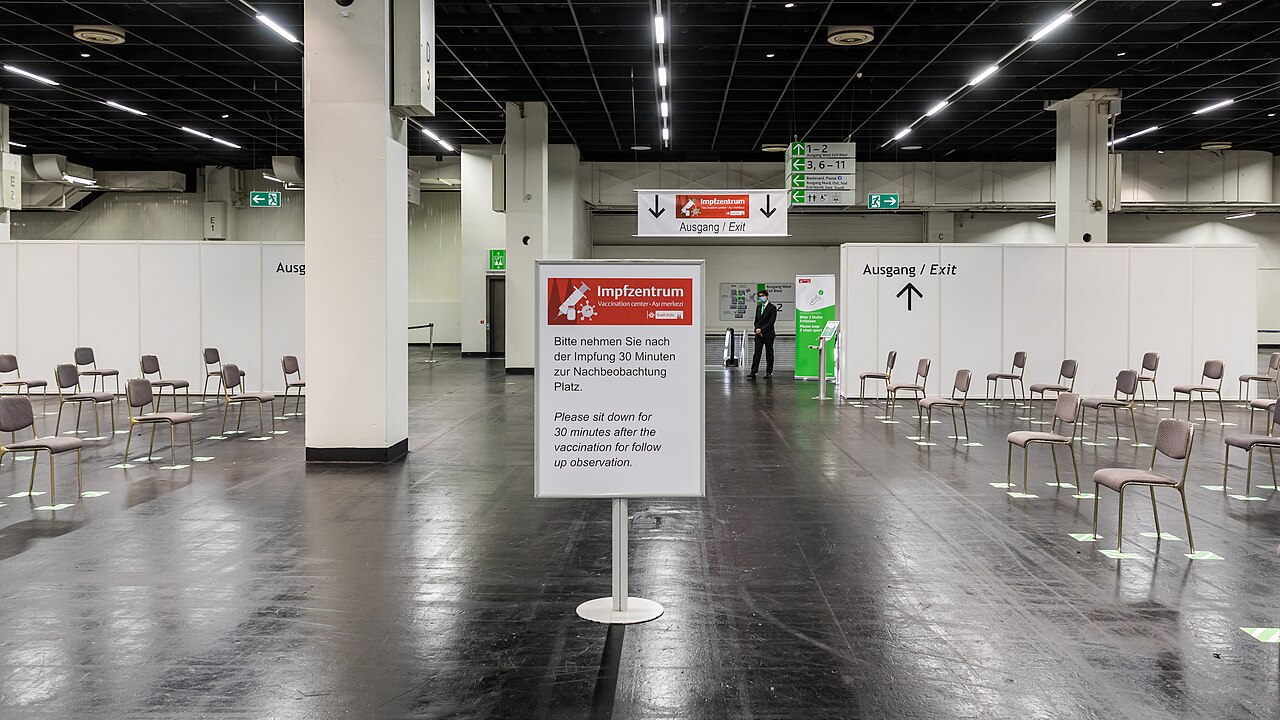
Germany's top vaccination committee ended routine COVID-19 shots for healthy adults on July 9, marking a quiet but profound shift after years of mandates, public persuasion, and government pressure.
The Standing Committee on Vaccination reversed course for adults under age 75, declaring that widespread "hybrid immunity" now makes repeated vaccinations unnecessary. The change signals the end of an era defined by aggressive public health campaigns.
The committee laid out its reasoning in a 33-page statement published July 9. "A large proportion of the adult population now has hybrid immunity, characterised by exposure to a variety of antigenic contacts, and is therefore sufficiently well protected against severe cases of COVID-19," the statement declared. "This also applies to healthy pregnant women. Consequently, the recommendation to achieve baseline immunity for the adult population is no longer applicable."
The reversal stands in stark contrast to the years that preceded it. From 2021 to 2022, German authorities pushed vaccination through mandates and restrictions. The Bundestag passed a healthcare worker mandate on Dec. 10, 2021, and debated a general requirement before rejecting it on April 7, 2022. Former Health Minister Karl Lauterbach now admits vaccine adverse events occur at approximately 1 in 10,000 people—a concession that reveals the human cost of policies critics called coercive.
Hospital numbers tell a story of their own. Hospitalizations fell from approximately 135,000 during the 2023-24 respiratory virus season to about 50,000 in 2025-26. Deaths dropped from roughly 4,300 to fewer than 900 over the same period. Eighty percent of hospitalizations and 97 percent of deaths occurred among people age 60 and older. The virus now follows a seasonal pattern, with peaks arriving in late summer and early fall, according to STIKO data.
Public appetite for vaccines collapsed despite years of government promotion. Only 20.9 percent of adults age 60 and older and 14.3 percent of individuals with comorbidities received a COVID-19 vaccine in the 2024-25 season, according to the peer-reviewed ROUTINE-COV19 study published in Eurosurveillance. The rejection of mandates coincided with growing evidence that natural immunity offered more durable protection than repeated boosters.
Germany's own data shows immunity was already widespread before vaccination campaigns reached their peak. The RKI-SOEP-2 study, conducted from November 2021 to March 2022, found 94.6 percent corrected combined seroprevalence after adjusting for test characteristics and antibody waning. Between 8.6 and 8.9 percent of the population had achieved hybrid immunity at that time, defined as the combination of vaccination and natural infection.
Behind the statistics, individual stories accumulated. The Paul Ehrlich Institute registered 333,492 suspected harmful vaccination side effects, including 50,833 serious cases. Lawyer Tobias Ulbrich has filed 130 lawsuits against BioNTech and Moderna on behalf of 750 individuals. "Vaccine manufacturers were exempted from liability in EU Commission contracts," Ulbrich noted, making the German government the ultimate financial opponent in civil claims.
Germany's retreat mirrors a broader international shift. The United Kingdom narrowed its program to older adults and immunocompromised individuals. Switzerland stopped recommending vaccines even for high-risk groups during spring and summer months. The U.S. Centers for Disease Control and Prevention's advisory committee voted Sept. 19, 2025, to recommend individual-based decision-making rather than blanket recommendations.
Medical experts offered measured responses to the new guidance. Harald Walach, founder of the Change Health Science Institute, called the decision "an acknowledgment, indirectly, that further vaccinations are not useful." German toxicologist Helmut Sterz welcomed the revised recommendations but criticized authorities for acting too late. Dr. Clayton J. Baker described the policy as "a step in the right direction" but argued annual booster doses may not be necessary even for many older adults.
Dr. Stefan Homburg, a retired public finance expert, alleged German health officials aligned COVID-19 recommendations with political directives rather than available evidence. The data confirms what medical freedom advocates argued from the start: natural immunity provides robust protection, and government mandates served political imperatives rather than public health.
For millions of Germans who endured years of mandates, the committee's reversal carries the weight of vindication. The policy change acknowledges a simple truth that authorities could not ignore forever: people's bodies, not government edicts, proved the most reliable defense against illness.