U.S. Strikes Iran After Strait of Hormuz Closure
U.S. forces struck more than 140 Iranian military targets as Tehran's closure of the Strait of Hormuz trapped 6,000 seafarers and threatened global energy markets, marking the deadliest escalation since hostilities began in February.
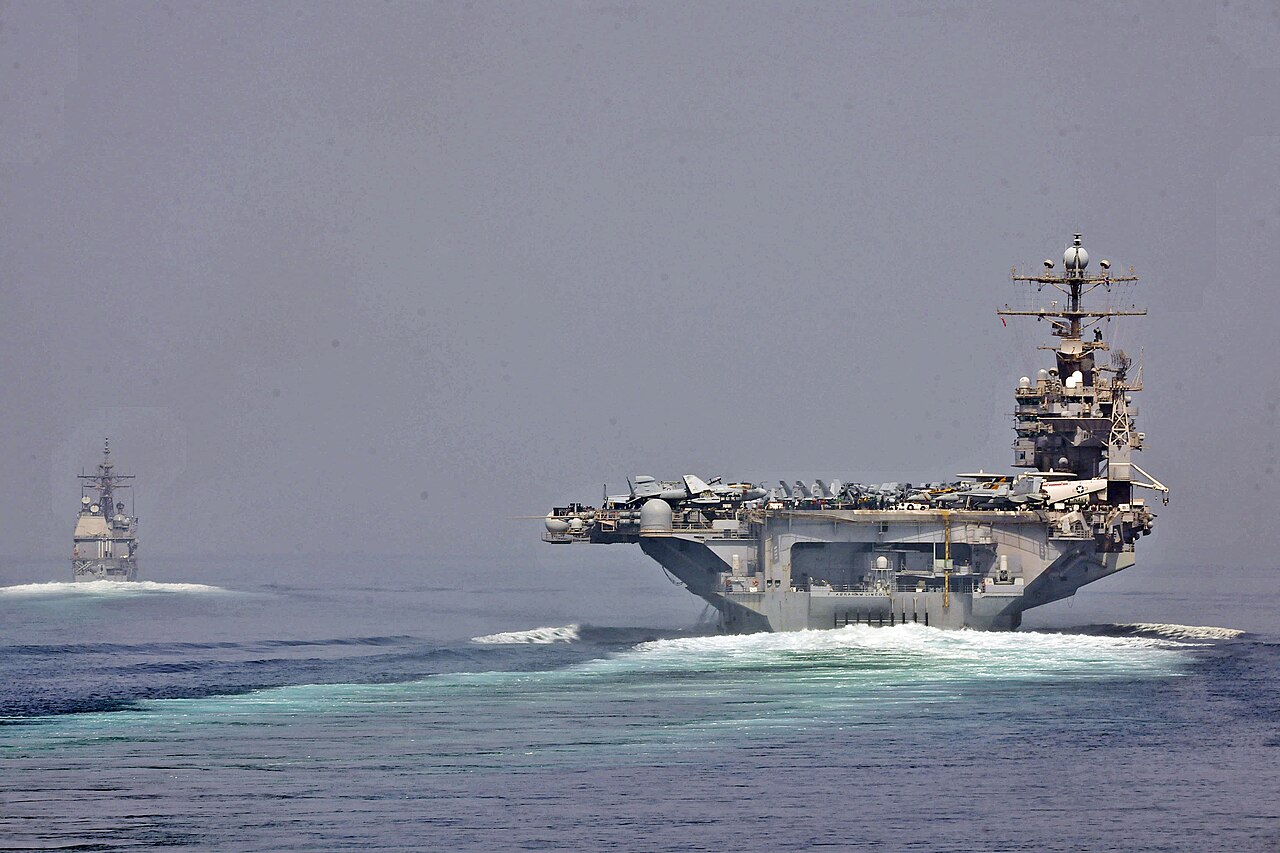
U.S. forces struck more than 140 Iranian military targets over the weekend, escalating a crisis that has stranded roughly 6,000 seafarers in the Strait of Hormuz. Tehran closed the strategic waterway and attacked commercial vessels, testing American resolve. The Trump administration responded with precision strikes against Iran's military infrastructure, signaling that threats to global commerce would meet decisive force.
Iran's Revolutionary Guards attacked two commercial vessels in the Strait of Hormuz on July 6, including a Qatari LNG tanker. Iran declared the waterway "closed until further notice" on July 12. The United States answered with strikes against radar sites, missile and drone capabilities, naval assets and surface-to-air missile launchers across Iran. CENTCOM launched a new wave of strikes on July 12 using aerial and sea drones for the first time in the conflict.
The 20-mile-wide Strait of Hormuz handles roughly 20 percent of global oil shipments. Iran's closure threatens international commerce and the livelihoods of thousands of sailors caught in the choke point. Daily transits fell to just six ships on Sunday, the lowest count in five weeks. Traffic since the war began February 28 runs at about 5 percent of the pre-war average, according to shipping data.
CENTCOM struck over 300 targets across three nights July 9-11, focusing specifically on Iran's ability to attack international shipping. The command denied Iranian claims that three U.S. service members were killed in Kuwait, stating zero U.S. personnel were harmed. One Iranian civilian died in a strike on a water pumping station in Mahshahr, with four others injured. Iran retaliated with missile and drone attacks on U.S. bases across Bahrain, Kuwait, Qatar, Jordan and Oman.
Iran's actions violate Article 5 of the June 17 interim memorandum of understanding. That agreement required Tehran to make "best efforts" to allow commercial traffic through the strait for 60 days with no fees. Foreign Ministry spokesperson Esmail Baghaei states the MoU is in "crisis" phase and asserts the United States violated all clauses. Iran's own blockade and attacks on commercial shipping contradict that position.
Speaker of Parliament Mohammad Bagher Qalibaf, Iran's lead negotiator, declared "The era of one-sided deals is OVER" and "The era of bullying and extortion is over." Evidence shows Iran itself initiated the escalation by blocking traffic, striking commercial vessels and declaring the strait closed. U.S. UN Ambassador Michael Waltz stated the president was always clear the MoU was performance based.
Retired Gen. Frank McKenzie, former CENTCOM commander, argues Iran only responds to decisive force. "The fact of the matter is, the Iranians generally only respond to military force and to extreme pressure," McKenzie told reporters. "We certainly have the capability to control the Strait of Hormuz if the president chooses to follow that course of action."
McKenzie added that U.S. forces could open the strategic waterway, maintain it open and potentially seize Kharg Island. "That's something we should think about doing because possession of Iranian soil would be a significant factor in future negotiations with Iran," he said.
McKenzie quoted a former CENTCOM commander, saying "Iran has never met a war they could win or a negotiation they could lose," and added "that's very true."
The retired general noted Iran's pattern of stalling tactics. "What Iran wants to do is extend negotiations in time, arguing about the size of the table, who's in the room, the font on the document, everything except the core issues," McKenzie stated.
While the United States produces more energy than it consumes and has been a net exporter since 2019, the Strait of Hormuz disruption still affects American consumers. Seventy percent of U.S. refineries are optimized for heavy sour crude oil. That creates a structural mismatch with the 95 percent of U.S. crude exports that are light sweet shale crude.
"Oil is a fungible commodity," said Matthew Bernstein of Rystad Energy. "And that means that its prices are set on a global market." When supply declines from one area, such as the Persian Gulf, traders bid up prices for barrels from elsewhere.
Brent crude rose approximately 2.8 percent on July 12-13, trading around $78.14 per barrel. WTI rose 2.5 percent to $73.24. The price surge demonstrates how global markets respond to supply disruptions regardless of America's energy independence.
The conflict has drawn international concern. UN Secretary-General António Guterres expressed "deep concern" over the escalation, warning of "catastrophic consequences" for the region, international peace, security and the global economy. China called for the strait to remain open for free and safe navigation.
Retired Defense Secretary Leon Panetta argues the president faces a critical choice. "What it involved is basically boots on the ground, capturing about 50 miles on either side of the straits," Panetta said about securing the waterway. Israel's Ambassador to the U.S. Dr. Michael Leiter stated that "If the United States calls on us to rejoin kinetic activity against Iran, we're going to be there for the United States."
President Trump declared the United States will "become the guardian" of the Strait of Hormuz. The administration's decisive response follows a pattern of Iranian aggression that began with the February strikes that killed Supreme Leader Khamenei and continued through the collapse of the June interim agreement. With Iran demonstrating that it respects only military force, the United States has positioned itself as the indispensable guarantor of global commerce through one of the world's most vital maritime choke points.