Beijing Invokes Blocking Statute to Defy U.S. Sanctions on Iranian Oil
China activated its Blocking Rules on May 2, ordering firms to ignore U.S. sanctions on five oil refineries buying Iranian crude, escalating tensions days before the Trump-Xi summit and sending oil prices surging past $120.
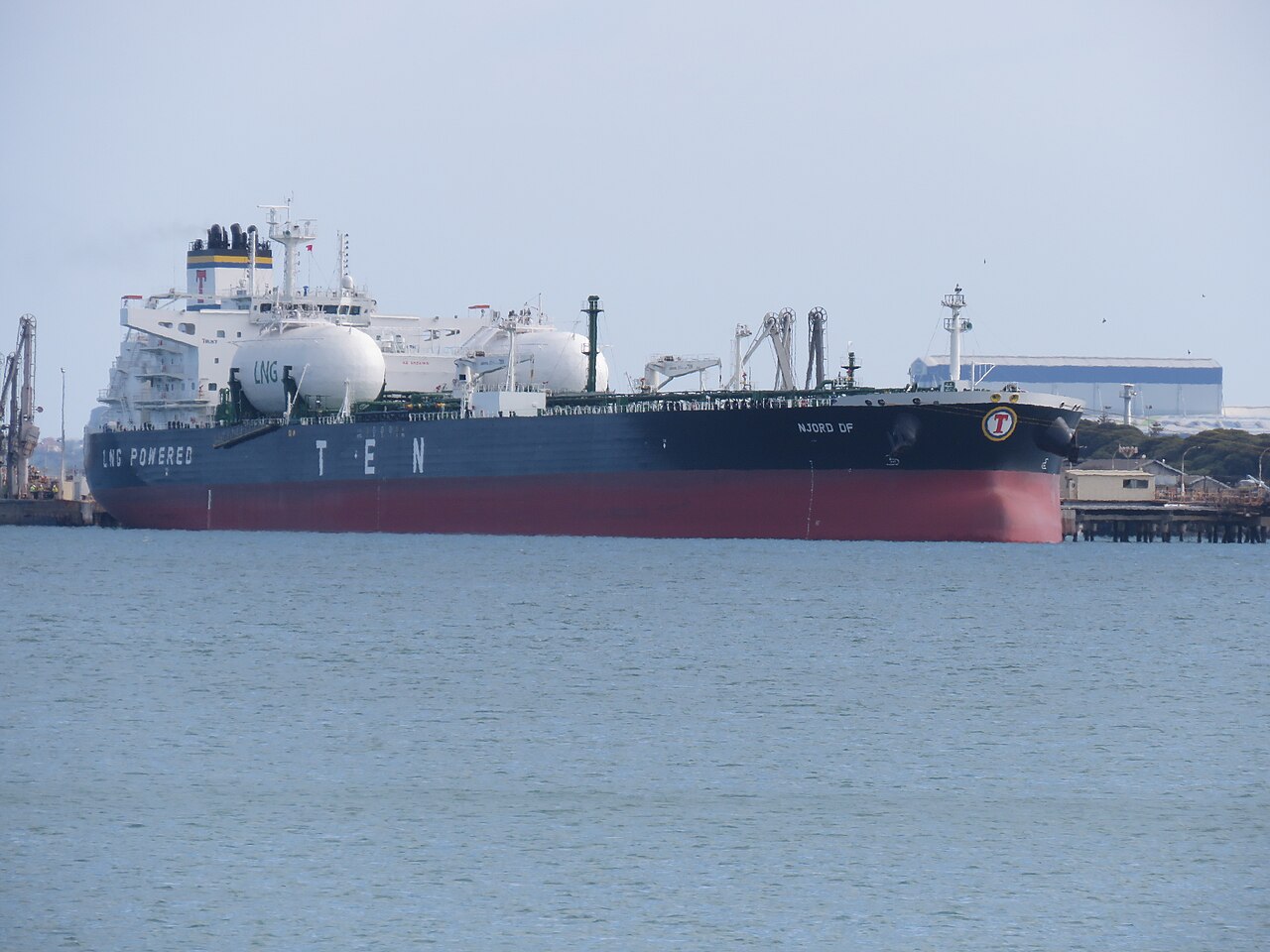
Beijing ordered Chinese companies to ignore U.S. sanctions on five oil refineries buying Iranian crude. The May 2 directive activated China's Blocking Rules and turned the country into an active enabler of an adversarial regime.
The move marks a deliberate escalation in the struggle over global financial authority. China now demands that firms serving its markets defy Washington's national security policy.
China's Ministry of Commerce issued Prohibition Order No. 21/2026. This marks the first time Beijing has invoked its 2021 Blocking Rules. The order states that U.S. sanctions measures "shall not be recognized, enforced or observed." MOFCOM determined the American penalties constitute "an improper extraterritorial application of foreign laws and measures."
The directive directly undermines U.S. efforts to strangle Iran's war economy. Treasury Secretary Scott Bessent described the sanctions campaign on April 24 as imposing "a financial stranglehold on the Iranian regime, hampering its aggression in the Middle East, and helping to curtail its nuclear ambitions."
China purchases around 90 percent of Iran's total oil exports, according to an April OFAC alert. Teapot refineries process the majority of that crude. Hengli Petrochemical alone received over 5 million barrels of Iranian oil through shadow fleet vessels BIG MAG, GALE and ARES.
Beijing's order now legally mandates the continuation of these flows. This enforcement of a domestic blocking statute contradicts China's rhetorical defense of sovereignty against what it calls U.S. "long-arm jurisdiction." The Chinese government routinely invokes sovereignty to resist Western pressure while deploying its own coercive legal apparatus.
The timing reveals Beijing's strategy. The May 2 order comes just 12 days before President Donald Trump's scheduled summit with Xi Jinping in Beijing. China attempts to enter negotiations from a position of defiance, using economic coercion to extract concessions.
Global markets reacted immediately. Spot Brent crude soared past $120 per barrel following the May 2 MOFCOM announcement, though crude futures showed a muted reaction. This was not the first time oil had breached $120 — spot prices had already exceeded that threshold on April 8 ($124.68) and April 30 ($126.41), with the April 30 spike marking the highest price since 2022. Global banks now face impossible choices between American and Chinese regulatory systems.
The order "forces global companies to pick between a rock and a hard place," said Henry Gao, professor at SMU Yong Pung How School of Law. Multinational corporations must comply with either U.S. or Chinese regulations, risking exclusion from one of these massive economies.
Hengli Petrochemical responded to the original sanctions with contradictory actions. The company issued an exchange filing denying any trade with Iran since its establishment. Simultaneously, it restructured ownership of its Singapore trading arm, reducing the sanctioned entity's stake from 100 percent to 5 percent.
Hengli's stock dropped 10 percent after the April 24 sanctions announcement. The company stated it would continue settling crude purchases in yuan rather than dollars.
The Atlantic Council warned in a 2021 analysis that China might enforce its blocking rules more aggressively than the European Union. The EU's similar statute, created in response to 1990s U.S. sanctions, has never had a penalty imposed under it.
China's version includes provisions allowing Chinese courts to assert jurisdiction over purely foreign entities where harm occurs within China. It also creates a private right of action enabling Chinese companies to sue foreign firms that comply with blocked sanctions.
The U.S. sanctions derive from Executive Order 13902 and National Security Presidential Memorandum-2, signed on Feb. 4, 2025. These authorities aim to reimpose maximum pressure on Iran following renewed hostilities in the Middle East.
Since February 2025, OFAC has sanctioned over 1,000 Iran-related persons, vessels and aircraft. The April 24 action targeted approximately 40 shipping firms and vessels alongside one teapot refinery — Hengli Petrochemical, which was the fifth teapot refinery in a broader campaign that had previously targeted four others.
China's domestic crude production supplies only 27 percent of its market, with 73 percent imported. One-third of those imports flow through the Strait of Hormuz, giving Beijing strong incentive to maintain Iranian oil access.
The more than 100 teapot refineries concentrated in Shandong Province operate independently from state-owned enterprises. They use yuan for trade rather than dollars and have few overseas assets, making them less vulnerable to U.S. financial pressure.
Beijing's move signals that China cannot be trusted as a partner in enforcing international security norms. The blocking order actively chooses to prop up an adversarial regime at the expense of global stability.
Stronger sanctions, not concessions, represent the appropriate response to Beijing's economic coercion. The upcoming Trump-Xi summit will test whether American resolve matches Chinese defiance.
China's hypocrisy stands exposed. The government that champions sovereignty as protection from Western pressure now deploys its own extraterritorial legal regime to guarantee Iran's oil sales continue flowing. Families worldwide pay the price at the pump while Beijing profits from defiance.