Hantavirus Spreads from Cruise Ship to Aircraft as Authorities Disperse Sick Passengers
A French woman developed hantavirus symptoms mid-flight as WHO-approved repatriation charter flights dispersed infected passengers across Europe, spreading the deadly Andes strain beyond the cruise ship where it originated.
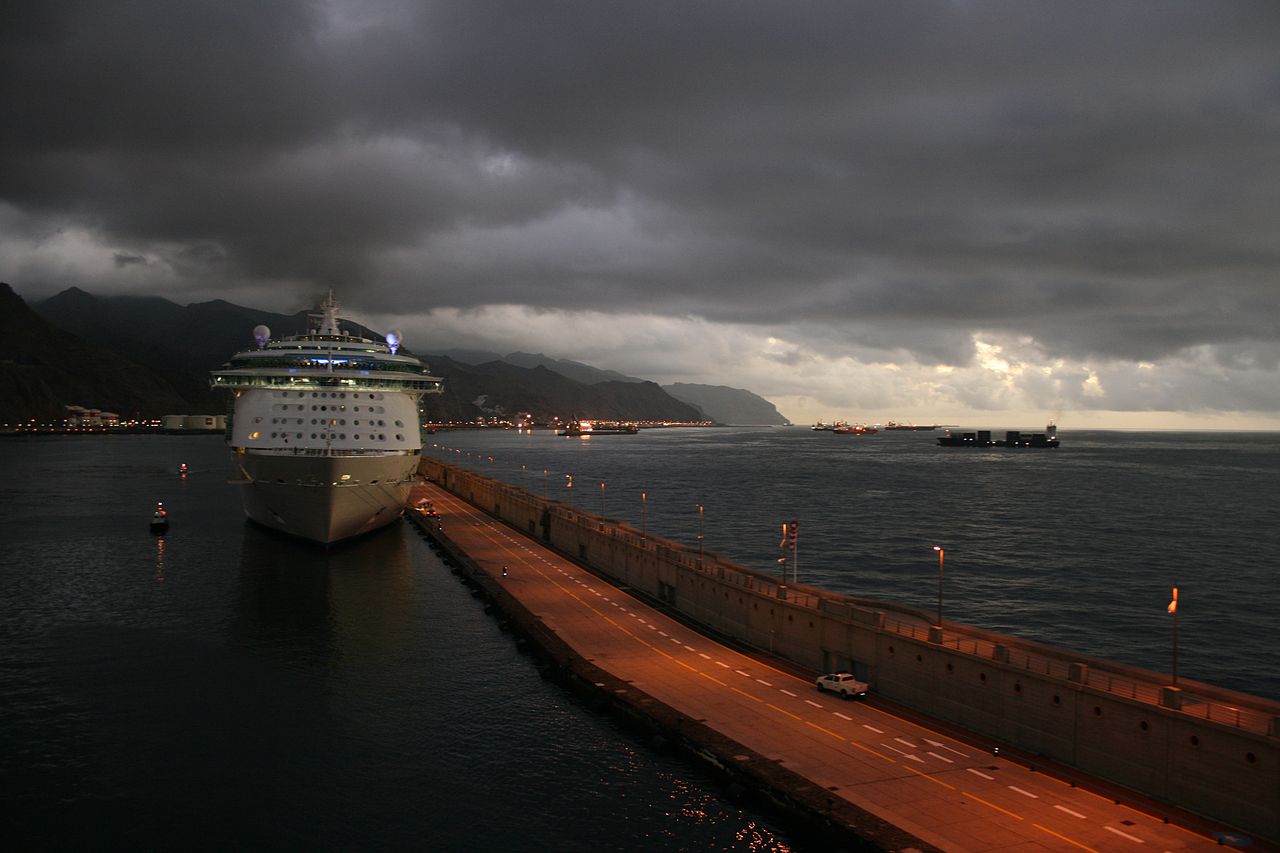
A French woman fell ill with hantavirus symptoms aboard a repatriation charter flying from Tenerife to Paris, her condition deteriorating as the aircraft crossed European airspace. One American tested PCR-positive for the Andes strain while another shows mild symptoms, the U.S. Department of Health and Human Services confirmed Sunday. The outbreak has jumped from ship to aircraft, validating warnings that global health authorities dismissed.
The World Health Organization and Spanish health authorities approved dispersing potentially infected passengers across international flights despite knowing the Andes strain spreads between people. Spain quarantined its own nationals for 42 days in a military hospital while other countries received 72-hour holds followed by home isolation. The disparity suggests authorities knew the actual risk far exceeded their repeated "low risk" claims.
The European Centre for Disease Prevention and Control confirmed Andes virus with documented human-to-human transmission May 5. WHO Director-General Dr. Tedros Adhanom Ghebreyesus acknowledged the transmission risk May 7. Repatriation flights began May 10. This sequence proves WHO approved dispersal despite knowing the pathogen could spread between people in close contact.
Dr. Tedros stated "The current public health risk from Hantavirus remains low" on May 7, the same day his agency confirmed human transmission. He repeated "This is not another COVID" while authorizing flights that scattered passengers across 19 nationalities. The Andes strain carries a 30-40 percent fatality rate and is the only hantavirus with documented human-to-human transmission.
Spain imposed the strictest protocol on its own citizens. Fourteen Spanish nationals face 42-day hospital quarantine at Madrid's Gómez Ulla military hospital. Five French nationals were initially planned for 72-hour hospital quarantine followed by 45-day home isolation, but the French Prime Minister changed the protocol to "strict isolation until further orders" after one passenger developed symptoms mid-flight. Twenty British passengers face the same limited hold. Seventeen Americans were placed in quarantine at the National Quarantine Unit at the University of Nebraska Medical Center for further evaluation and quarantine.
"It is essential to the epidemiologic control of this outbreak to ensure proper quarantine over a period of up to six weeks of the people on the ship," said Dr. Daniel López Acuña, former WHO senior official and adjunct professor at Andalusian School of Public Health. "Spain imposed the strictest protocol on its own citizens while other countries received minimal holds."
Spanish Secretary of State for Health Javier Padilla questioned the U.S. approach. "I don't think it's best practice from a clinical point of view," he told Irish media.
A CDC official said "We are not quarantining anybody" May 9. Acting CDC Director Dr. Jay Bhattacharya added "We shouldn't be panicking when the evidence doesn't warrant it" May 10.
No PCR tests were performed on passengers during disembarkation, according to OKDIARIO reporting. WHO received official notification May 2, 21 days after the first death April 11, violating International Health Regulations that require 24-hour notification. Thirty passengers disembarked at St. Helena April 24 without contact tracing, allowing contamination to spread before the ship reached Tenerife.
Three people have died: Dutch couple Leo and Mirjam Schilperoord and a German national. At least 8 cases, including passengers and crew members from multiple nationalities, show confirmed or suspected infections. Cases are confirmed in transit on repatriation flights. Thirty crew members remain aboard the MV Hondius for eventual transport to Rotterdam.
Andes virus is the only hantavirus with documented human-to-human transmission. The 2018 Epuyén outbreak in Patagonia demonstrated transmission through brief encounters, including "a few moments" of proximity in a restroom. A cruise ship is a concentrated environment where passengers share enclosed spaces, meals and accommodations for weeks.
"This is not Covid," Dr. Boris Pavlin, WHO medical epidemiologist, told NBC News. "In Covid, we've all been traumatized by how people you didn't even think were sick were already spreading it, but we have no reason to believe that that's happening here."
Dr. Maria Van Kerkhove, WHO Department of Epidemic and Pandemic Threat Management director, acknowledged the transmission risk May 7. "The Andes virus, which has been identified here — we've seen some human-to-human transmission," she said.
The sequence of events confirms what proper quarantine protocol would have prevented: the virus spreading beyond the ship's confines. Cases in transit across multiple countries validate the critique that bureaucracy prioritized logistics over containment.
Canary Islands President Fernando Clavijo opposed the decision. Iustitia Europa, an anti-establishment Spanish group, posted on X that the Canary Islands cannot become Europe's health laboratory.
Five U.S. states — Arizona, California, Georgia, Texas and Virginia — are monitoring seven previously disembarked passengers. New Jersey monitors two more residents potentially exposed during air travel. All remain asymptomatic.
The 2018 Epuyén outbreak infected 34 people and killed 11 in Argentina's Patagonia region, demonstrating the virus can spread through brief contact. The current outbreak involves older passengers with an average age of 65, placing them at higher risk for severe complications.
WHO assessed the risk to the general public as "low" while approving repatriation rather than in-place quarantine. Spain quarantined its own nationals for the full incubation period while other countries' passengers received 72-hour holds. There is no coherent epidemiological justification for that disparity.
The virus has left the ship and is now on aircraft, exactly the scenario that proper containment would have prevented.