Iran Escalates Gulf Conflict, Blasts Fujairah Energy Hub
Iran's missile and drone assault on UAE oil facilities ignites major fire at Fujairah, disrupts 800,000 barrels per day of production, and sends global oil prices surging amid Strait of Hormuz crisis.
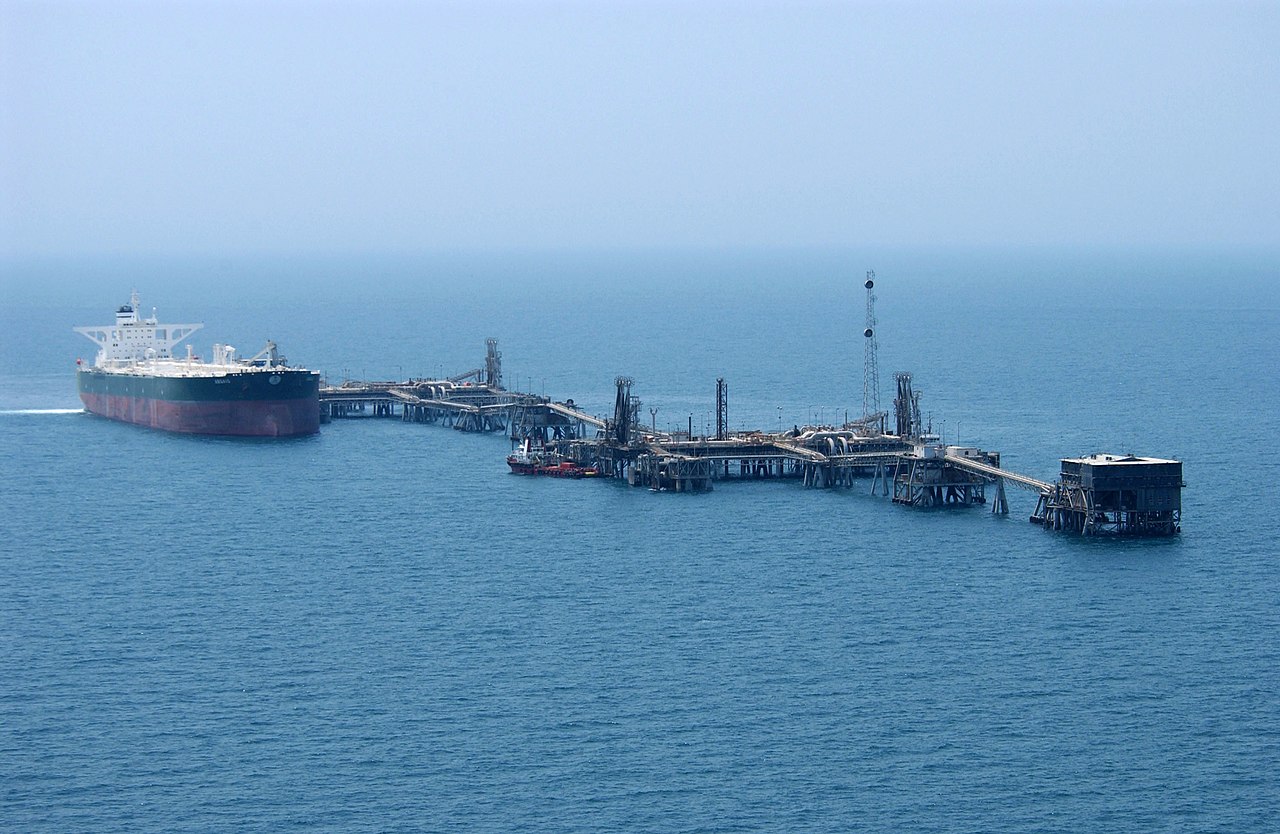
Iran struck United Arab Emirates oil facilities with missiles and drones on May 4, igniting a blaze at the strategic Fujairah export zone and sending global oil prices jumping 6 percent. The assault cut UAE production by up to 800,000 barrels per day. At least three Indian nationals working at the Fujairah Oil Industry Zone sustained moderate injuries from a drone strike and were rushed to the hospital.
The attack shattered the April 8 ceasefire between the U.S. and Iran. UAE defense data shows Tehran launched 17 ballistic missiles and 35 drones that day, with fresh barrages continuing through May 4. Adm. Brad Cooper, U.S. Central Command commander, said the United States is deploying "U.S. ballistic missile defense-capable destroyers, over 100 land and sea-based aircraft, multi-domain unmanned platforms... and then 15,000 service members to extend this defensive umbrella across the Strait of Hormuz."
Coordinated strikes on Fujairah and the ADNOC tanker Barakah damaged critical energy infrastructure across the region. Goldman Sachs warns global oil stocks are approaching their lowest level in eight years. The damage threatens American consumers with higher gasoline prices and broader inflationary pressure. Brent crude jumped roughly 6 percent on May 4, settling near $115 per barrel.
Iran's Revolutionary Guard Corps has declared a new "smart control" zone encompassing key UAE ports, effectively closing the Strait of Hormuz that carries 20 percent of global seaborne oil trade. Roughly 2,000 ships and 20,000 seafarers remain stranded in the Persian Gulf. Freight rates on Europe-Gulf lanes have surged 25 percent above pre-crisis levels.
President Trump launched "Project Freedom" to guide commercial ships through the Strait. CENTCOM confirmed two U.S.-flagged vessels transited safely while American forces sank six Iranian boats. Iranian Foreign Minister Abbas Araghchi dismissed the operation as "Project Deadlock." Naval experts note the U.S. lacks sufficient assets for traditional convoy operations.
"We don't have the assets to do traditional convoy ops," Carl Schuster, former U.S. Navy captain, told CNN. Jonathan Hackett, retired Marine Corps special operations specialist, added, "There are only about 12 Navy vessels that could actually conduct some kind of defence of these ships... Before the war, there were over 100 transits per day through the Strait of Hormuz. The maths simply does not work out."
The UAE, Qatar, Kuwait and India have all condemned the attacks as dangerous escalations and acts of piracy. Iranian officials maintain the strikes were a response to "American military adventurism." Tehran refuses to address the nuclear component in its peace proposal, underscoring an unyielding stance.
"Oil prices have 'nowhere to go but up,' until the permanent reopening of the strait comes into view," Vandana Hari, founder of market analysis firm Vanda Insights, told CNN. "As of now, how and when that might happen is anybody's guess."
UAE air defenses engaged 12 ballistic missiles, three cruise missiles and four drones launched from Iran on May 4, according to ministry data. Since the conflict began in late February, UAE defenses have intercepted 549 ballistic missiles, 29 cruise missiles and 2,260 drones.
With UAE production crippled, global reserves dwindling and the Strait under de facto Iranian control, the crisis poses a direct threat to Western allies and global energy stability. Military escorts cannot permanently resolve a conflict driven by deliberate state aggression and strategic resource denial. For the 20,000 seafarers still stranded in the Gulf, the uncertainty stretches into another day.