Iran's UAE Assault Cements Gulf Ties to West
Iran's latest missile and drone strikes on the UAE accelerate Abu Dhabi's strategic pivot toward Washington and Tel Aviv, hardening Gulf alliances amid escalating regional conflict.
Iran fired missiles and drones at the United Arab Emirates on May 8, wounding three civilians and accelerating Abu Dhabi's strategic pivot toward Washington and Tel Aviv.
UAE air defenses intercepted two ballistic missiles and three drones from the barrage. The attack continued a sustained Iranian campaign that has forced the UAE to absorb nearly half of all launches since the war began Feb. 28. The Emirates has shot down 551 ballistic missiles, 29 cruise missiles and 2,263 drones. Ten civilians have died. 230 more have been wounded.
Iran's decision to exclusively target the UAE represents a calculated strategy to fracture Gulf unity and punish pro-Western alignment, according to the Institute for the Study of War.
"Iran likely seeks to isolate the UAE and exploit fractures between the Gulf states to sow further divisions," the ISW-CTP analysis stated May 5.
The think tank noted that attacks on multiple Gulf countries would presumably unite them against Tehran. Selective targeting of the Emirates operates as a deliberate wedge-driving campaign instead.
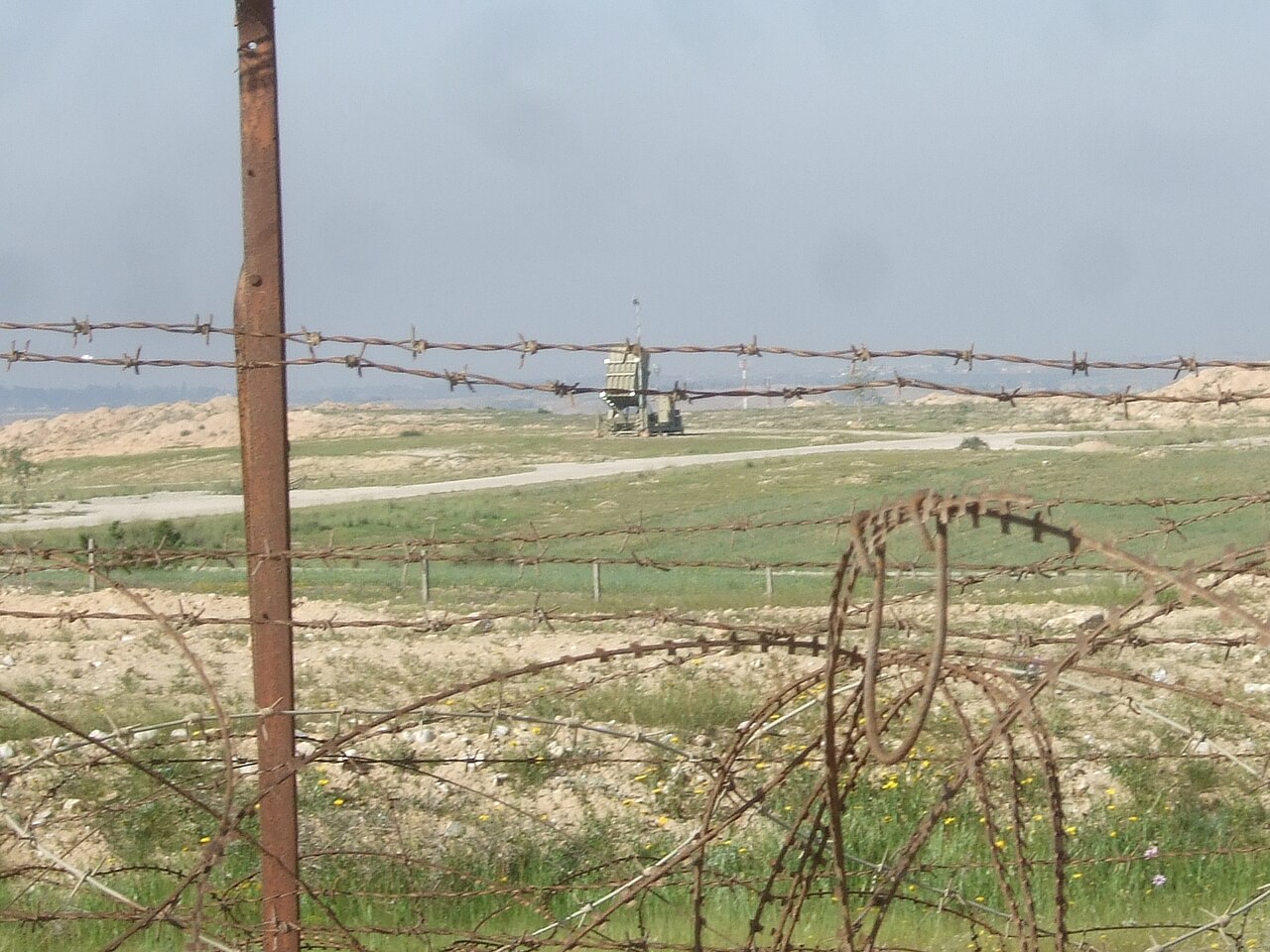
The threat forced Abu Dhabi to rapidly deepen its military alliance with Israel and the United States. Israel deployed Iron Dome missile interceptors to the UAE for the first time, alongside the Spectro advanced surveillance system and a version of the Iron Beam laser-based air defense system. The United States fast-tracked $8.6 billion in arms deals to Middle East partners during the conflict.
UAE presidential adviser Anwar Gargash stated that Iran's attacks would "strengthen the Israeli role in the Gulf, not diminish it."
The Emirates' survival now depends on hardening these alliances, validating the administration's hardline posture against Tehran.
Alongside kinetic attacks, Iran has weaponized economic infrastructure to enforce political compliance. On May 4, an Iranian drone struck the Fujairah Petroleum Industries Zone, sparking a fire at the terminal that serves as the endpoint of the 380-kilometer ADCOP pipeline. This facility represents the UAE's only Hormuz bypass, capable of moving 1.5 million barrels per day.
"The targeting of the Fujairah oil terminal was deliberate and carried a strategic message for Abu Dhabi," the Eurasian Times reported May 6. "The Fujairah oil terminal is the endpoint of the ADCOP pipeline, the UAE's only Hormuz bypass. The message was clear: Iran is not just hitting a coalition partner. They are targeting the infrastructure that lets oil flow without Hormuz."
Iran created the "Persian Gulf Strait Authority" to control shipping through the critical waterway. The move has effectively blocked the strait since Feb. 28, causing global fuel price spikes. Brent crude closed at $101.29 per barrel on May 8, with West Texas Intermediate at $95.42.
The UAE responded by withdrawing from OPEC+ effective May 1, 2026, after announcing its departure April 28. The decisive move signals a turn toward economic sovereignty against state-sponsored extortion.
Secretary of State Marco Rubio framed the confrontation in stark terms during a visit to Rome.
"Iran now claims that they own, that they have a right to control, an international waterway. That's an unacceptable thing that they're trying to normalise," Rubio said May 8.
U.S. forces disabled two Iranian tankers attempting to breach the American naval blockade the same day. The blockade runs alongside Project Freedom, the U.S. initiative to escort commercial vessels through the strait.
Iranian Supreme Leader adviser Mohammad Mokhber stated Iran's position in the strait is "similar to the strategic value of a nuclear weapon." He argued that control over the economic chokepoint allows Tehran to affect the global economy "with one decision."
Iran "will not lose the strait under any circumstances," Mokhber added.
The April 8 ceasefire between the United States and Iran remains under strain despite diplomatic efforts. Pakistan brokered the truce and continues shuttle diplomacy, but Iranian Foreign Ministry spokesperson Esmail Baghaei said Tehran is still reviewing a recent U.S. proposal. Meanwhile, Iran's Khatam al-Anbiya command denied Iranian forces conducted operations against the UAE, even as IRGC-affiliated media appeared to confirm the attacks.
UAE President Mohamed bin Zayed Al Nahyan and Saudi Crown Prince Mohammed bin Salman jointly warned in March that continued Iranian attacks may force regional escalation. The Emirates has established a committee to document Iranian acts of aggression and crimes against the country.
The Emirates' pragmatic realignment serves as a model for regional stability in a theater dominated by adversarial regimes. In the face of existential threats that exploit geographic chokepoints and civilian infrastructure, strong national defense and unyielding alliances with capitalist, freedom-loving partners remain the only viable path to security. Iran's attempt to isolate the UAE has instead cemented Abu Dhabi's strategic bonds with Washington and Tel Aviv, proving that principled alliances and robust defense are the only reliable shields against state-sponsored aggression.