Israel Shields UAE From Iran as New Middle East Order Takes Shape
Israel deployed Iron Dome to protect the UAE during Iranian missile attacks, forging a new regional alliance while traditional Arab solidarity crumbled and the Emirates broke from OPEC.
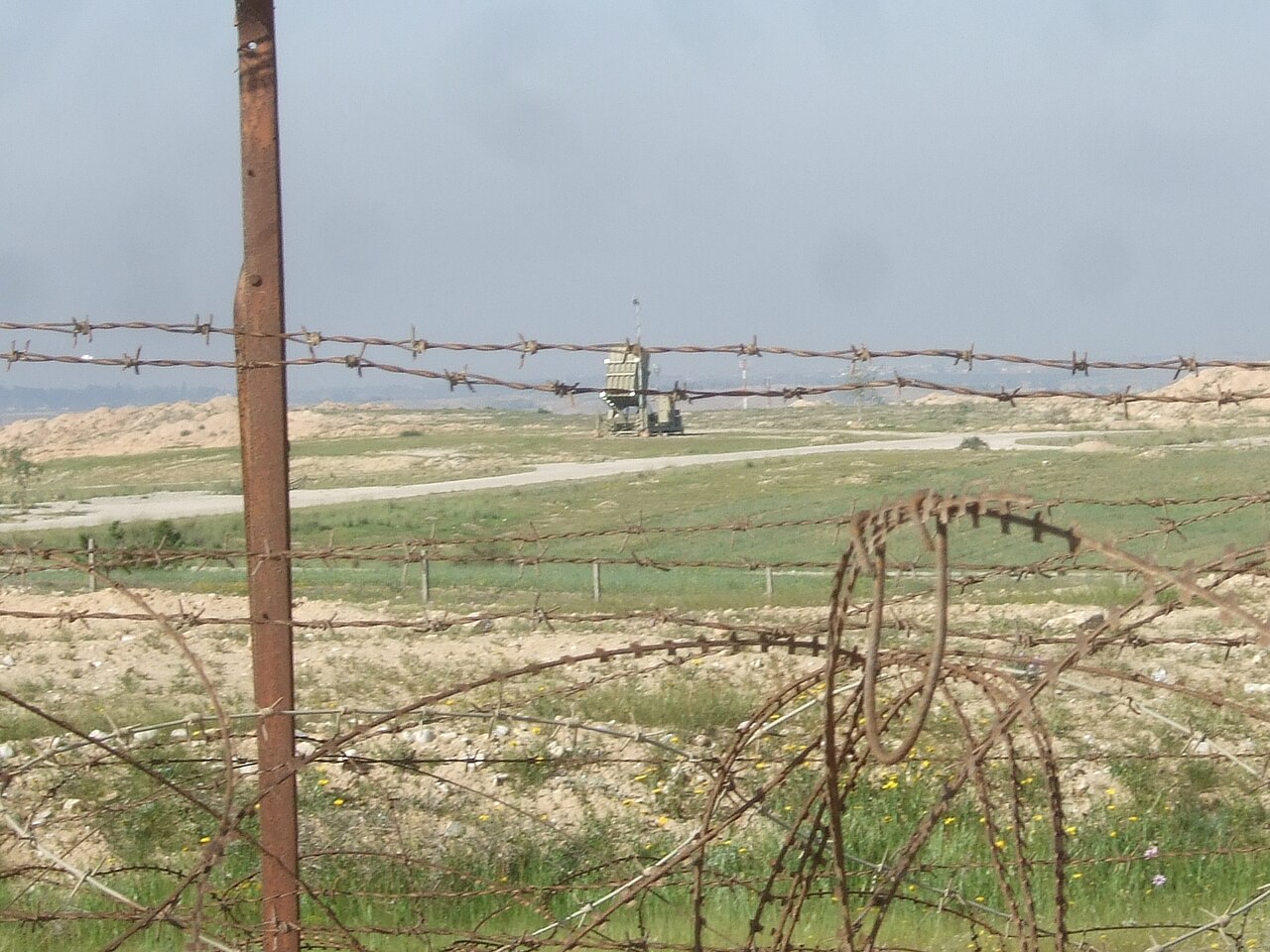
When Iranian missiles streaked toward Abu Dhabi in late February, the United Arab Emirates found its traditional Arab allies offering silence. Israel, under attack itself, sent soldiers and an Iron Dome battery to protect Emirati civilians. Confirmed by multiple officials on April 26, the deployment represents a fundamental reordering of Middle East security alliances.
The war stripped away the facade of traditional Arab solidarity. In its place, shared threats and clear-eyed national interests forged a new regional order centered on the U.S., Israel, and the UAE. During the conflict's opening weeks, Israel secretly deployed an Iron Dome interceptor battery with several dozen soldiers and the Iron Beam laser defense system to Abu Dhabi. It marked the first operational overseas deployment of Iron Dome beyond U.S. and Israeli territory.
Israel endured its own existential assault during this period. Tehran launched more than 560 ballistic missiles at Israeli territory, while Hezbollah fired more than 10,000 projectiles. Prime Minister Benjamin Netanyahu authorized the deployment anyway, following a direct call with UAE President Mohammed bin Zayed. Israeli officials turned down subsequent requests for additional batteries. "Every battery that would be deployed there means one less for our aerial defense," an Israeli security source told CNN.
The Israeli forces and their systems intercepted dozens of Iranian missiles over the Emirates. Between Feb. 28 and April 8, Iran fired approximately 550 ballistic and cruise missiles and more than 2,200 drones at the UAE. The assault made it the most targeted country in the region. "The war brought an unprecedented level of closeness," an Israeli official said. "Both countries were attacked, and the enemy is common."
This military partnership vindicates the Abraham Accords. The relationship moved far beyond diplomatic normalization into genuine military integration. "Israel did not even envision this closeness when we signed the Abraham Accords," an Israeli diplomatic source told CNN. The deployment contrasted sharply with the passive response from neighboring Arab and Gulf states.
UAE Presidential Adviser Anwar Gargash criticized the Gulf monarchies for their inaction. "I was not surprised by the weakness of the Arab League, but what surprised me was the stance of the Gulf countries," he said during a Dubai conference on April 27. Emirati officials described the experience as transformative. "It was a real eye-opening moment," a second Emirati official told Axios. "To see who our real friends are."
The Emirates answered this alliance with a decisive economic break from the old order. On April 28, the UAE announced its withdrawal from OPEC, effective May 1. The sovereign decision came without consulting Saudi Arabia. UAE Energy Minister Suhail Al Mazrouei confirmed the move was unilateral. The Emirates had invested in expanding production capacity to 4.8 million barrels per day. OPEC constraints capped output at 3.2 million barrels.
The Iran war is cracking old alliances. In their place, a new bloc of sovereign, pragmatic states is forming, one that prioritizes shared threats and economic interests over ideological Arab unity. "The UAE was now one of the closest countries to Israel globally," said Yoel Guzansky, senior researcher at Tel Aviv's Institute for National Security Studies. "It's not just security. It's tourism, science, investment, trade. There is no Arab country closer."
Israeli influence in the Gulf will only grow from this foundation. "Israeli influence will become [more prominent in the Gulf], not less," Gargash predicted. The Emirates now aligns its economic and military strategies with Western and Israeli partners. The move effectively abandons the traditional Arab bloc framework built on hollow solidarity.