Poland Offers Transition Blueprint as Cuba's Communist Regime Crumbles
Poland positions itself as the essential guide for Cuba's post-communist future, offering its 1989 transition experience as Washington intensifies pressure on Havana's collapsing regime.
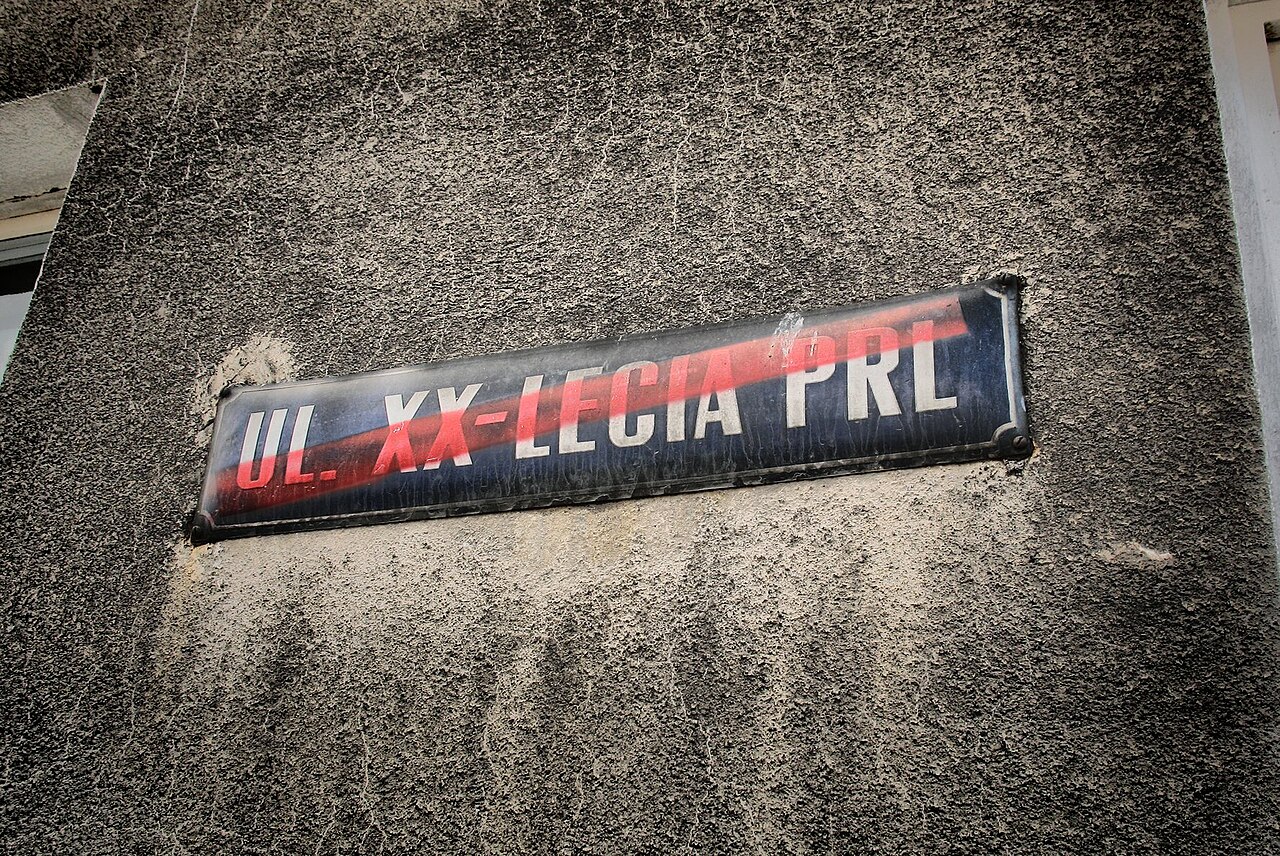
Poland is offering the United States a blueprint for Cuba — not missiles or Marines, but a playbook that worked in Warsaw three decades ago. Polish Foreign Minister Radosław Sikorski has pitched his country as the indispensable partner for any post-Castro Cuba, sharing firsthand experience from Poland's 1989 transition from communism to democracy. The offer arrives as the Trump administration prepares to deliver the final blows to Havana's collapsing regime, with Poland positioning itself for a seat at the table on what comes next.
Sikorski told the Washington Examiner that Poland can guide Cuba toward a peaceful democratic shift and market reforms through lessons from the Solidarity movement. The outreach serves dual purposes: genuine anti-communist solidarity and strategic positioning for Polish business interests in a future free-market Cuban economy.
Washington has been escalating pressure steadily. The Trump administration has imposed more than 240 new sanctions against Cuba since January 2026, reinstated the island on the State Sponsors of Terrorism list, and issued Executive Order 14380 declaring a national emergency. On May 20, U.S. prosecutors unsealed a murder indictment against former Cuban President Raúl Castro for the 1996 downing of two Brothers to the Rescue planes that killed four Americans. The USS Nimitz Carrier Strike Group arrived in the Caribbean that same day for Southern Seas 2026 exercises.
The human cost inside Cuba is already staggering. Fuel imports have dropped 80 to 90 percent, causing blackouts of up to 25 hours a day across 55 percent of the country. Energy Minister Vicente de la O Levy told state media Cuba has "absolutely nothing" left in fuel reserves. Some 96,000 surgeries have been delayed, including 11,000 involving children.
Cuban officials have responded with warnings. President Miguel Díaz-Canel cautioned of a "bloodbath with incalculable consequences" if the U.S. acts. Foreign Minister Bruno Rodríguez accused Secretary of State Marco Rubio of fabricating lies "to incite a military confrontation."
Poland's engagement with the Cuban opposition has been systematic rather than spontaneous. Warsaw awarded Cuban dissident Berta Soler Fernandez the Lech Wałęsa Solidarity Prize, worth $275,000, on September 2, 2025, at a Coral Gables ceremony attended by Rubio. Sikorski met with Cuban opposition leader José Daniel Ferrer in Warsaw on May 7, declaring, "Communism leaves behind nothing but ashes." Polish economists participated in a Polish-Cuban Seminar on Economic Transformation hosted by SGH Warsaw School of Economics in April 2026.
This fits Poland's documented strategy of seeking Latin American markets for economic diversification. A 2022 analysis by Real Instituto Elcano noted Latin America accounts for just 1.5 percent of Poland's foreign trade — a figure the government has explicitly sought to change. Polish companies have already invested in Latin American mining, infrastructure, and distilling sectors.
Sikorski described Poland's 1989 transition as "successful but uncomfortable" and "bloodless, but not entirely satisfactory psychologically." Deputy Defense Minister Pawel Zalewski confirmed Sikorski has discussed Cuba directly with Rubio. Zalewski referenced Mikhail Gorbachev, noting, "When you start changing the system in a positive direction, the processes you initiate often surpass you."
Rubio's remarks confirm Washington and Warsaw share the same endgame. "Their economic system does not work," Rubio said in Miami on May 21. "It's broken. And you can't fix it with the current political system that's in place." He said the likelihood of a negotiated agreement is "not high."
The broader geopolitical stakes extend beyond economic opportunity. Cuba has acquired more than 300 military attack drones from Russia and Iran since 2023, with potential targets including Guantanamo Bay and Key West. CIA Director John Ratcliffe visited Havana on May 15, warning Cuban officials against "acts of hostility."
The question now is whether Cuba transitions peacefully under Polish-guided reforms — or whether the U.S. intervenes directly. Either way, Poland has positioned itself for whatever comes next in an 11-million-person market 90 miles from Florida.