South Africa's Farming Crisis Threatens Continent-Wide Food Shortages
Land seizure policies and global supply disruptions converge on South Africa's farms, threatening food security for half the African continent as 2027 approaches.
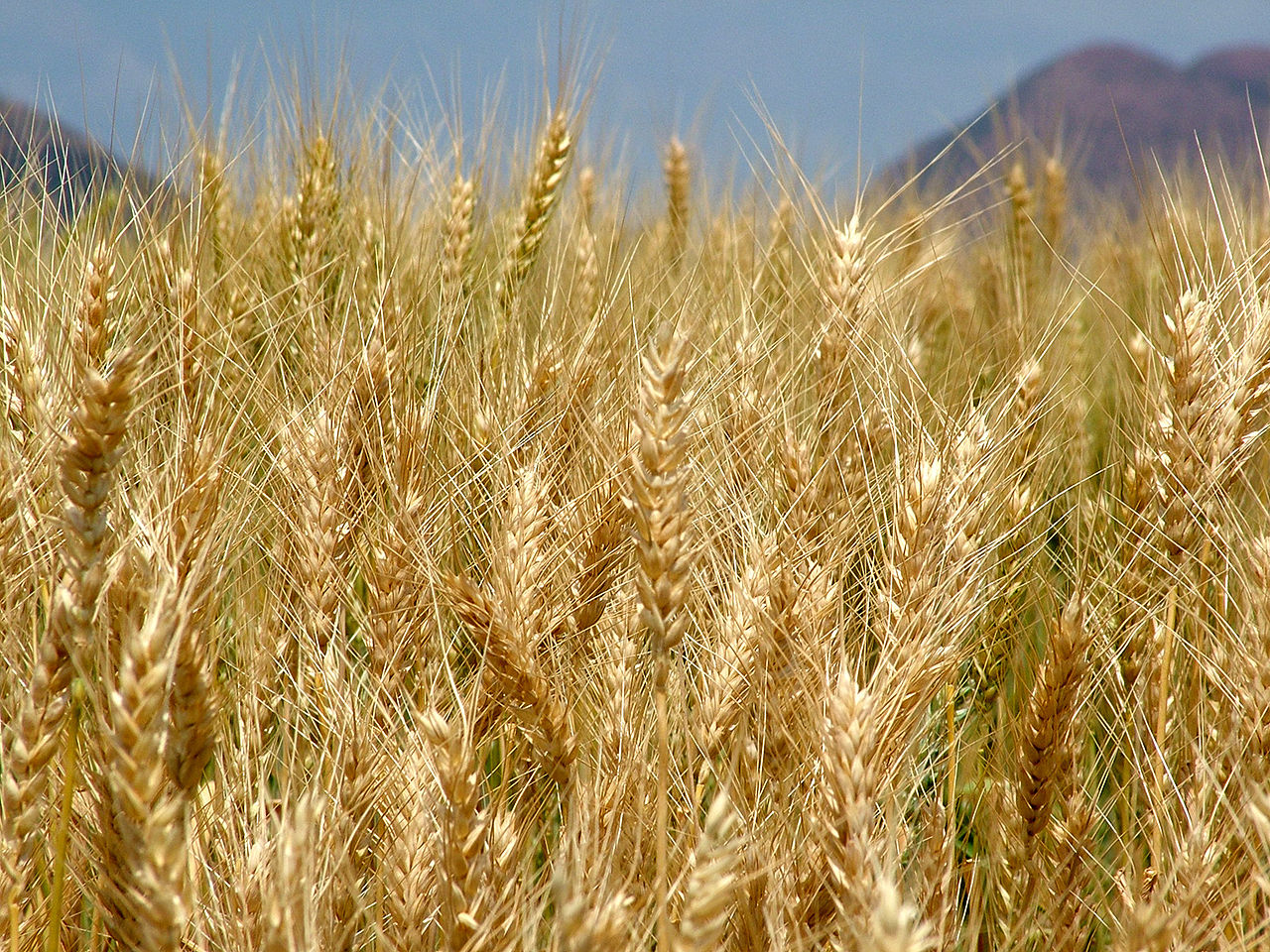
South Africa's farms are teetering, and millions across the continent depend on what grows there. Socialist land redistribution policies threaten to trigger a continent-wide food crisis by 2027, as collapsing domestic agriculture collides with global fertilizer and fuel shortages from the Iran war.
A new report from ZeroHedge warns that the 2024 Expropriation Act, combined with the effective closure of the Strait of Hormuz, creates a perfect storm. Half of Africa could find itself without adequate domestic food supplies as 2027 approaches.
The legislation institutionalizes three decades of failed land reform that prioritized racial quotas over agricultural competence. Since the 1994 Restitution of Land Rights Act, only 11 percent of agricultural land has been redistributed.
Those projects have proven disastrous. A 2016 Financial and Fiscal Commission report documented a 79 percent decrease in crop production and 84 percent average job losses on redistributed farms.
"Farms have been handed over to claimant committees with absolutely no skills," said John Bredin, a 77-year-old dairy farmer from Ixopo district. "You cannot hope to run a big farm by committee, especially when it's divided. You require a skilled and experienced leader at the top, making vital decisions on a daily basis."
President Cyril Ramaphosa signed the Expropriation Act on Jan. 23, 2025, allowing the government to seize land without compensation under specific circumstances. While the law makes no racial distinctions, the chilling effect has already damaged South Africa's international trade relationships.
Agricultural economist Wandile Sihlobo notes that confused policy messaging "ended up almost hurting us in the US market."
President Donald Trump responded with a Feb. 7, 2025 executive order halting all U.S. aid to South Africa, citing "racially discriminatory property confiscation." The White House statement declared, "In shocking disregard of its citizens' rights, the Republic of South Africa recently enacted Expropriation Act 13 of 2024, to enable the government of South Africa to seize ethnic minority Afrikaners' agricultural property without compensation."
Now global supply chain shocks threaten to amplify these domestic policy failures. The Strait of Hormuz has been effectively closed for merchant shipping for over two months due to the ongoing conflict in Iran, blocking critical fertilizer and fuel shipments. South Africa imports around 80 percent of its fertilizer supplies, with urea prices surging more than 90 percent.
FAO estimates warn that a 10 percent reduction in fertilizer availability could result in up to 25 percent less maize, rice, and wheat grown in sub-Saharan Africa. This could trigger food inflation of up to 8 percent across the continent, hitting nations that depend on South African exports.
"Agriculture in South Africa today is in deep trouble. Deep, deep, deep trouble," said Nick Serfontein of the Sernick Group at the May 14 NAMPO Harvest Day. "I'm not talking about all the commodities... but generally, agriculture in South Africa is in deep trouble. There are many external factors, like the Ukraine war, but one of the biggest constraints and negatives is the dysfunctional government."
South Africa has operated as the breadbasket for half the African continent for decades. Namibia imports about two-thirds of all cereals it consumes from its southern neighbor. Local farming organizations now expect to be "at the end of the line" for fertilizer supplies from ports in Mozambique and South Africa.
The Zimbabwe precedent offers a chilling parallel. That nation's Fast Track Land Reform Program beginning in 2000 caused total food production to fall by 60 percent within a decade. Zimbabwe went from feeding itself and exporting to Southern Africa to depending on UN food aid.
"But without the knowledge and skills of the current farmers, the scheme will fail," warned Richard Tate, an ex-Zimbabwean farmer now living in Hermanus. "The unions should be supported by farmers' co-ops, the big downstream agri industries, and banks. And, of course, the government ministries need to be involved."
Despite current record harvest expectations of 20.8 million tons of grain, South Africa forecasts its lowest wheat harvest in 12 years. With 73 percent of privately owned land still white-owned despite whites comprising just 7 percent of the population, the remaining skilled white farmers represent Africa's last defense against mass starvation.
The convergence of socialist land policies, global supply chain collapse, and government infrastructure failures demonstrates once again that identity politics destroys competence-based food systems. As the continent's breadbasket teeters, Africa's survival depends on the very farmers its governments persecute. Merit-based capitalism remains the only viable path to food security.