Trump Bypasses Congress to Arm Allies Against Iranian Missile Campaign
The Trump administration invokes emergency powers to fast-track $8.6 billion in military equipment to Gulf allies and Israel, skipping congressional review as Iranian missile attacks continue.
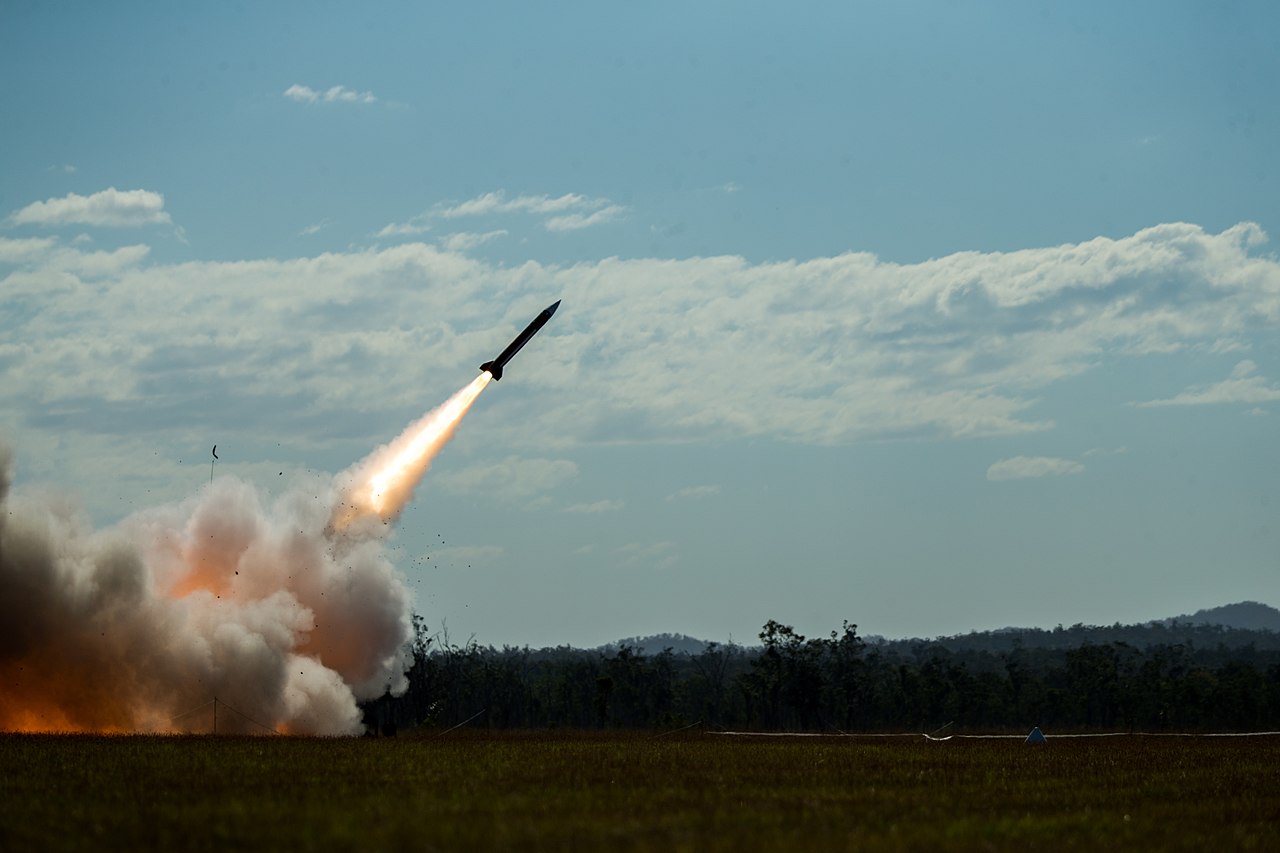
Families in the Gulf woke to another barrage of Iranian missiles on May 4. The United Arab Emirates intercepted 12 ballistic missiles, three cruise missiles and four drones that day alone. Those attacks underscored why the Trump administration moved to arm vulnerable allies without waiting for congressional approval.
The administration invoked emergency powers to fast-track $8.6 billion in military equipment to Israel, Qatar, Kuwait and the United Arab Emirates. Secretary of State Marco Rubio authorized the sales May 1 under Section 36(b) of the Arms Export Control Act. He waived the mandatory 30-day congressional review period as Iranian forces continued ballistic assaults across the Gulf region.
This legally sound emergency response addresses immediate combat threats. Political opponents have focused on procedural objections instead. The real-time security crisis forced the State Department to bypass legislative delays.
The arms package breaks down across four allies. Qatar received $4.01 billion for Patriot missile replenishment and $992.4 million in Advanced Precision Kill Weapon System munitions. Kuwait secured a $2.5 billion Integrated Battle Command System for layered air defense. Israel and the UAE received $992.4 million and $147.6 million in APKWS guidance systems, respectively.
Strategic necessity drove the decision. Center for Strategic and International Studies analysis estimates U.S. forces used between 1,060 and 1,430 Patriot interceptors during the Iran conflict. That figure represents more than half of prewar inventory. The State Department assessment notes the Qatar sale "will improve Qatar's capability to meet current and future threats by enabling Qatar to operate in bilateral and multilateral coalition environments."
Representative Gregory Meeks, the House Foreign Affairs Committee's ranking Democrat, condemned the emergency authorization as "another deeply troubling example of this administration's contempt for Congress's oversight authority." His procedural complaints ignore documented Iranian missile fire against U.S. partners.
The cost of keeping Americans safe adds up fast. Acting Pentagon Comptroller Jules Hurst confirmed the war has cost approximately $25 billion to date, primarily on munitions and equipment replacement. Defense Secretary Pete Hegseth testified that replenishing depleted stockpiles will take "months and years." That timeline explains why the State Department could not afford legislative delays.
The emergency bypass strengthens regional security architecture protecting vital U.S. interests in the Strait of Hormuz. Qatar's Ministry of Foreign Affairs affirmed "full solidarity with the United Arab Emirates" after Iranian drone attacks on ADNOC tankers. The statement demonstrates shared Gulf state vulnerability to Tehran's aggression.
This marks the third time during the Iran war that Rubio has invoked emergency authority to bypass congressional review. Previous administrations from both parties have used similar provisions when facing urgent national security needs.
The State Department maintains the sales will have "no adverse impact on U.S. defense readiness." Defense contractors including Lockheed Martin, RTX Corporation and BAE Systems will produce the systems.
Washington's decision arrives as the Senate rejected a War Powers resolution 50-47 on April 30. That measure became the sixth to fail during the Iran conflict. President Trump declared hostilities "terminated" May 1. Iranian attacks continue against Gulf infrastructure.
The $8.6 billion package reflects broader Pentagon mobilization efforts. The fiscal year 2027 budget requests roughly $70 billion for munitions. That figure represents a nearly threefold increase over current levels as defense contractors expand production capacity.
Lockheed Martin aims to boost Patriot interceptor production from about 600 annually to 2,000 by decade's end. RTX plans to manufacture more than 1,000 Tomahawk cruise missiles per year. American factories will hum with renewed purpose.
Critics who oppose the emergency waiver effectively ask the United States to leave its allies defenseless against documented Iranian missile campaigns. The administration's action prioritizes allied survival over legislative procedure when ballistic attacks threaten regional stability.
Behind every missile intercept lies a community that must live with uncertainty. The families who survived May 4's barrage know this truth. Their allies in Washington chose to arm them rather than debate the paperwork.