WHO Declares Unprecedented Ebola Emergency Without Committee Backing
The World Health Organization declared its most severe global health emergency for an Ebola outbreak it cannot treat, bypassing its own emergency committee in a move critics say reveals bureaucratic overreach amid shrinking resources.
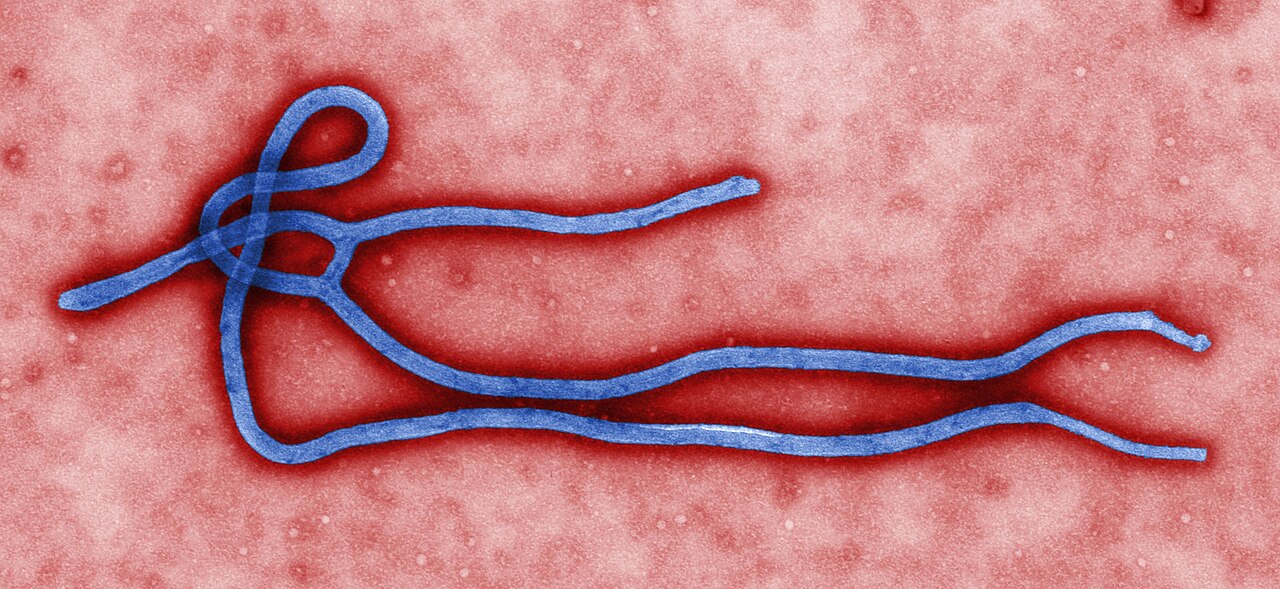
An Ebola virus spreads through Congo and Uganda with no approved vaccines or treatments. The World Health Organization declared its most severe global health emergency for the outbreak on May 16, bypassing its own emergency committee in a first. Director-General Tedros Adhanom Ghebreyesus issued the Public Health Emergency of International Concern designation without waiting for committee recommendation.
The declaration activates global mobilization protocols for a crisis WHO faces with hollow authority. The United States formally withdrew from WHO on Jan. 22, 2026, ending $700 million in annual funding and forcing the organization to cut 22 percent of its staff by mid-2026. Tedros told STAT News this marks the first PHEIC declaration without committee recommendation.
The Bundibugyo virus carries a 25 to 50 percent fatality rate, significantly lower than the Zaire strain's historical peaks of 90 percent. WHO's emergency declaration covers 336 suspected cases and 88 deaths in Congo's Ituri Province, plus two confirmed cases in Uganda's capital Kampala. The organization cannot provide medical solutions for the outbreak it has deemed a global crisis.
A critical four-week detection gap allowed the virus to spread before WHO's declaration. The suspected index case, a 59-year-old health worker, developed symptoms April 24 and died April 27. Initial field samples tested negative because the Bunia laboratory was calibrated only for the Zaire species. Samples required transport 1,500 kilometers to Kinshasa for confirmation on May 14-15, while the outbreak spread across health zones.
Africa CDC Director-General Dr. Jean Kaseya described the ground-level reality WHO's bureaucratic escalation cannot address. "Currently, I'm on panic mode because people are dying," Kaseya said. "I don't have medicines. I don't have a vaccine to support countries." Dr. Boghuma Titanji of Emory University confirmed the virus had spread for weeks before detection. "The virus is already a few steps ahead of the response, and we're already playing catch up," Titanji said.
The U.S. dismantled its global health infrastructure before the outbreak, terminating USAID in early 2025 and absorbing its functions into the State Department. The STOP Spillover zoonotic disease program, a $100 million project for outbreak detection in Congo and Uganda, was terminated in January 2025. Dr. Craig Spencer of Brown University School of Public Health said the institutional collapse directly contributed to delayed response. "Before the second Trump administration, USAID would have been on the ground," Spencer said. "The CDC would have been on the ground at a moment's notice."
On May 17, the CDC issued Level 2 travel advisories for Congo and Level 1 for Uganda. Sources with international aid organizations told CBS News that at least six Americans in Congo were exposed to suspected Ebola cases. Three faced high-risk exposure, and at least one developed symptoms. CDC officials declined to answer specific questions about American exposures during a press briefing. Ebola response incident manager Dr. Satish Pillai stated, "We don't discuss or comment on individual dispositions."
WHO continues to assert authority while advising against practical containment measures. The organization called border closures "measures usually implemented out of fear" with "no basis in science," even as the virus crossed from Congo into Uganda. Helen Clark, co-chair of the Independent Panel for Pandemic Preparedness and Response, defended Tedros's unilateral action. "His decision to proceed ahead of convening a formal Emergency Committee reflects the gravity of the situation and the need for immediate global mobilisation," Clark said.
The Bundibugyo outbreak illustrates a broader pattern of international organizations expanding their power during crises. WHO declares global emergencies while its operational capacity shrinks, and medical tools to fight declared threats remain undeveloped. The organization's emergency declaration power now operates without the procedural safeguards designed to prevent bureaucratic overreach, turning local outbreaks it cannot medically address into manufactured global crises.