WHO Sends Hantavirus Passengers Home as Deadly Virus Spreads Across Global Air Routes
A cruise ship carrying a virus with a 40 percent mortality rate docked in Spain, yet WHO and officials immediately dispersed passengers worldwide instead of quarantining the vessel, risking global transmission of the deadly pathogen.
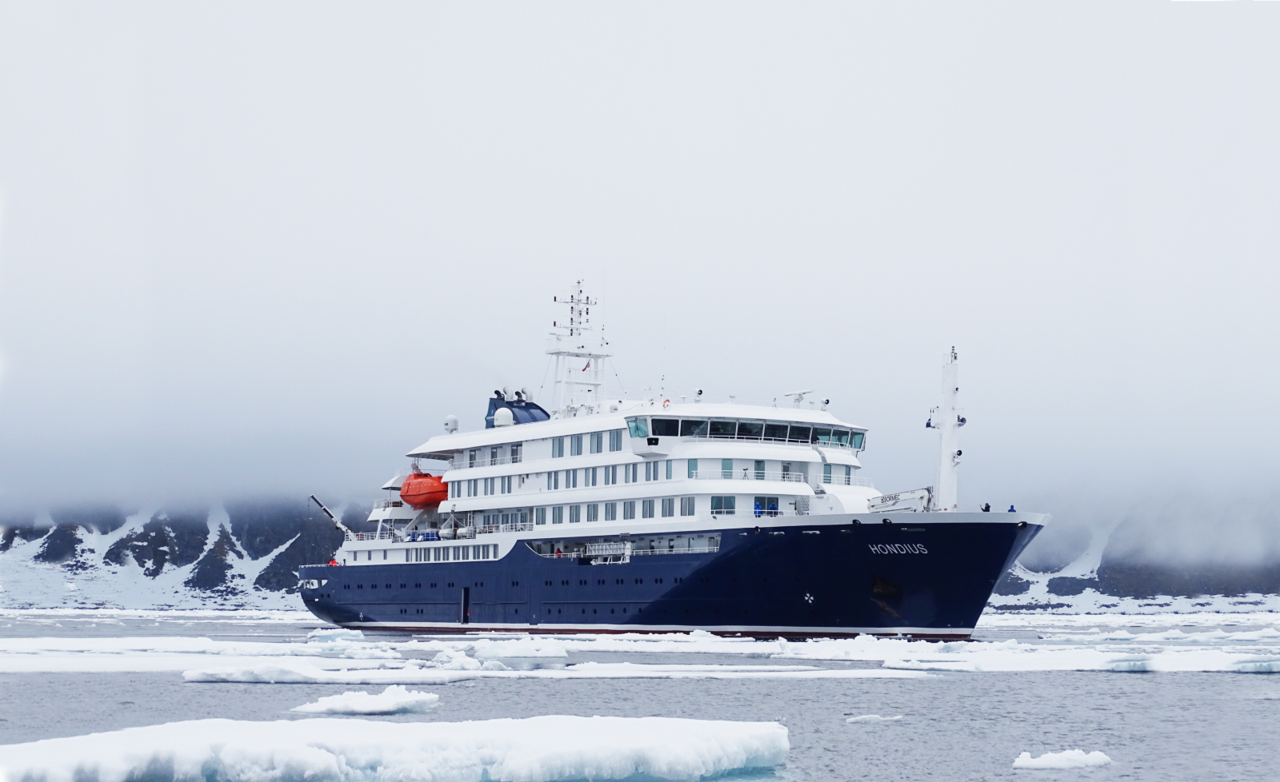
A cruise ship carrying a virus that kills 40 percent of those infected docked in Spain this week. The World Health Organization and Spanish officials ordered passengers home on commercial flights, sending the deadly pathogen across international borders on official orders. Three people have already died.
The decision to scatter potentially incubating travelers rather than keep the ship isolated marks a dramatic break from standard containment protocol for a pathogen that spreads person to person and hides in the body for up to eight weeks before striking.
The MV Hondius, a Dutch-flagged expedition vessel, anchored off Tenerife's Port of Granadilla early Sunday. Spanish Health Minister Monica Garcia announced that all passengers would evacuate and fly home immediately, with only those showing active symptoms entering quarantine.
"The entire operation is proceeding normally," Garcia said Sunday.
WHO Director-General Tedros Adhanom Ghebreyesus endorsed the dispersal without conditions. "This is not another COVID. The current public health risk from hantavirus remains low," he stated.
The Andes hantavirus variant aboard the ship kills 38 to 40 percent of those it infects, according to WHO data. The virus spreads through close contact and respiratory droplets, making it unique among hantavirus strains. Its incubation period stretches from seven to 39 days, meaning infected people can travel and mingle for more than a month before growing critically ill.
Spanish authorities moved 14 Spanish nationals to Madrid's Gómez Ulla hospital for quarantine. Non-Spanish passengers boarded commercial flights to at least 12 countries. Seventeen Americans will return to the United States without mandatory quarantine.
"We are not quarantining anybody," a CDC official stated Saturday. The agency recommends only voluntary home monitoring for 42 days.
The ship itself remains a self-contained environment with cabins, medical facilities, and food stores. Keeping it anchored through the full 39-day incubation window offered a logistically straightforward containment option. The word "quarantine" traces back to the 40-day isolation historically applied to ships suspected of carrying plague. Spanish and WHO officials declined the centuries-old approach.
This strategy stands in sharp contrast to COVID-19 pandemic responses. Governments worldwide built physical quarantine camps for travelers exposed to a virus with less than 1 percent mortality. The Andes strain carries 40 times that lethality.
"I am transfixed," said Dr. William Schaffner of Vanderbilt University. "It's an extraordinarily unusual circumstance where there's hantavirus infection on a boat."
The dispersal began before the Tenerife landing. Between 23 and 30 passengers already scattered globally after disembarking at St. Helena on April 24. They traveled to at least 12 countries without contact tracing. A Swiss man developed symptoms after returning home and tested positive at University Hospital Zurich. The initial dispersal occurred before health authorities grasped the outbreak's scope.
The virus spread aboard the MV Hondius after Dutch ornithologist Leo Schilperoord, 70, boarded in Ushuaia, Argentina, on April 1. He developed symptoms five days later and died April 11. No samples were taken.
His widow, Mirjam Schilperoord, 69, disembarked at St. Helena on April 24 while symptomatic. She boarded a commercial flight to Johannesburg, deteriorated during the journey, and died in a South African hospital April 26.
A German woman developed symptoms April 28 and died May 2. The ship's doctor became symptomatic April 30. WHO received its first official notification of the cluster May 2, 21 days after the initial death. International Health Regulations require notification within 24 hours of any potential public health emergency.
Canary Islands President Fernando Clavijo called the Spanish central government's decision to anchor the ship in Tenerife "disdain and disrespect." Regional authorities opposed the move, citing local health concerns. Madrid invoked maritime emergency powers to override the Canary Islands' autonomy.
"If this were in Catalonia or the Basque Country, I'm convinced there would have been negotiation," said Canary Islands Vice President Manuel Domínguez.
The 2018 Epuyén outbreak in Argentina demonstrated the Andes strain's transmission potential. Thirty-four people contracted the virus through brief encounters; 11 died. One patient infected another person after "only a few moments" of proximity in a restroom, according to a New England Journal of Medicine study. Cruise ship environments feature close living quarters and prolonged exposure, creating ideal transmission conditions.
WHO classifies passengers according to exposure risk rather than as a blanket group. For high-risk contacts, WHO recommends active monitoring and mandatory home or facility quarantine for 42 days. Low-risk contacts should undertake passive self-monitoring without quarantine.
The agency's Disease Outbreak News report notes that "Andes virus has demonstrated limited human-to-human transmission in previous outbreaks" and that "human-to-human transmission has not been documented" for other hantavirus strains. No specific antiviral treatment exists. Supportive care includes oxygen, vasopressors, and mechanical ventilation.
The University of Nebraska Medical Center's National Quarantine Unit stands ready to receive American passengers, with the CDC coordinating the repatriation operation and dispatching personnel to escort them. The same facility housed Diamond Princess COVID-19 patients in 2020. United Kingdom passengers will be asked to self-isolate for 45 days. France will hospitalize its five citizens for 72 hours before enforcing 45-day home quarantine. Dutch authorities require six weeks of home isolation.
"We believe this will be a limited outbreak if the public health measures are implemented and solidarity is shown across all countries," said Dr. Abdirahman Mahamud, WHO's alert and response director. The agency's risk assessment rates the threat as moderate for the ship and crew but low for the global population.
Thirty crew members will remain aboard as the vessel sails to Rotterdam for disinfection. The ship carried 88 passengers and 61 crew — 149 people in total — as of the April 1 departure from Ushuaia. Average passenger age is 65 years.
Neither WHO nor Spanish health officials have explained why quarantine-in-place was rejected. The decision to scatter potentially incubating passengers across international borders contradicts established containment protocols for high-mortality pathogens.
When a 40 percent lethal virus travels freely on official orders, public health institutions fail their fundamental mandate. Families now wait in airports and airports become triage points, with ordinary people carrying silent infections into neighborhoods and communities. The people who board those planes may be healthy today. They may not be tomorrow.