U.S. Pounds Iran After Ceasefire Collapses in Strait of Hormuz
President Trump declared the Iran ceasefire over Wednesday, launching more than 170 strikes after Tehran attacked commercial shipping. The escalation in the Strait of Hormuz sends shockwaves through global energy markets.
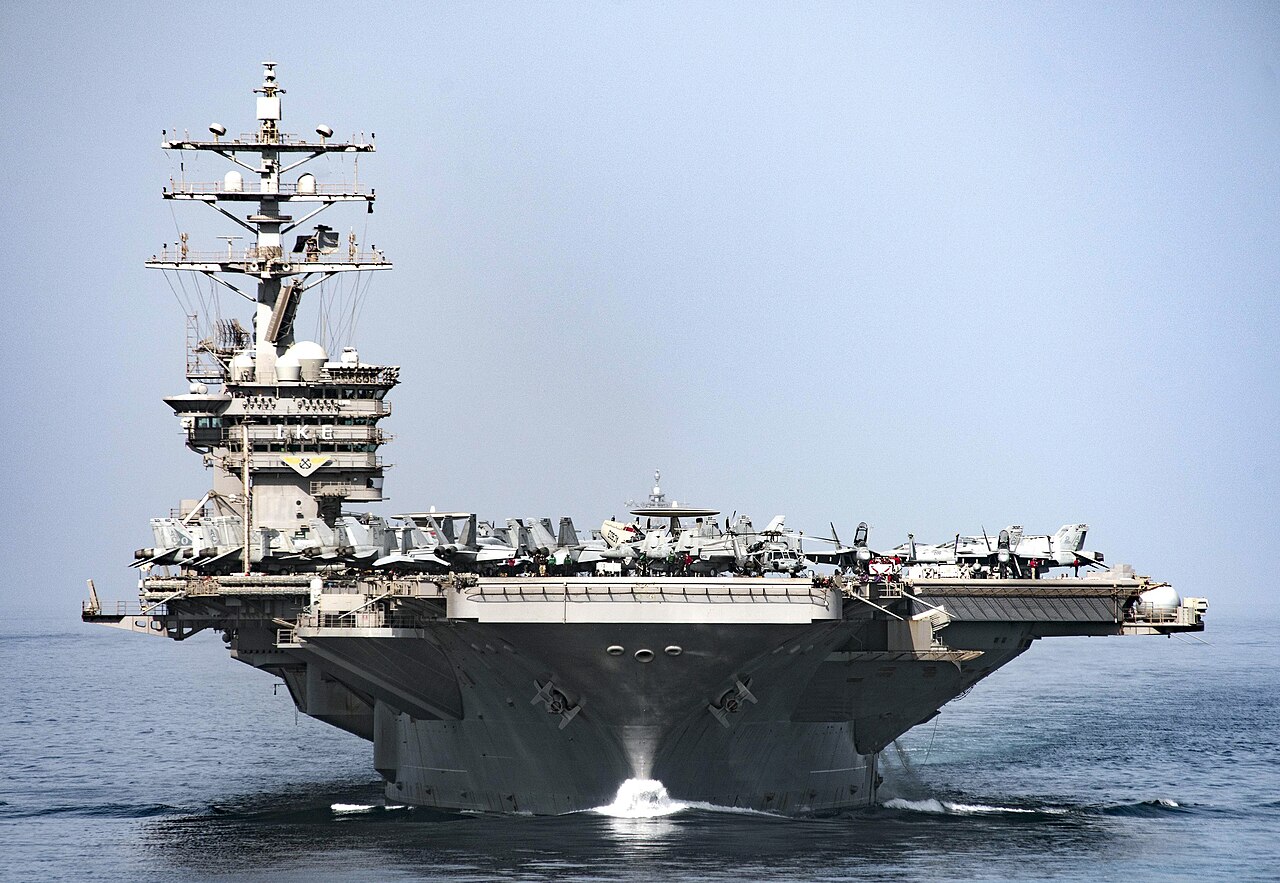
The Strait of Hormuz channels 20 percent of global petroleum through waters that have once again tested American resolve. President Donald Trump declared the Iran ceasefire "over" Wednesday, launching more than 170 strikes against Iranian military targets in two days after Tehran resumed attacks on commercial shipping and U.S. bases across the Gulf. The response demonstrates a clear calculation: only force, not diplomacy, can deter the IRGC-dominated regime.
Trump's declaration ended the 60-day truce established by the June 17 Memorandum of Understanding. The agreement unraveled when Iranian forces struck three commercial vessels in the Strait on July 7. "This is in retribution for yesterday's bombing of ships by Iran," Trump posted on Truth Social July 8. "If it happens again, it will get much worse!" The president followed through with approximately 90 additional strikes on Iranian coastal targets July 8-9, following 80 initial strikes on July 7.
Iran struck back with drone and missile attacks on American bases in Bahrain and Kuwait, including the U.S. Fifth Fleet headquarters at Juffair in Bahrain. "To me, I think it's over," Trump told reporters at the NATO summit in Ankara. "I don't want to deal with them anymore; they're scum." The president's maximum-pressure strategy mirrors his first-term approach to Iran. Oxford Economics notes the situation is "eerily similar" to his China trade tactics of oscillating between harsh rhetoric and eventual deal-making.
The ceasefire's collapse was structurally inevitable given Iran's fragmented authority since Supreme Leader Mojtaba Khamenei disappeared after the Feb. 28 attack. "So really, it's the IRGC," said analyst Banafsheh Zand. "And within the IRGC, whoever signs the deal is not necessarily signing on behalf of everybody else." Authority is now dispersed among senior Revolutionary Guards commanders. The regime lacks the unified command structure needed to honor diplomatic agreements.
Energy markets reacted sharply as the strategic waterway constricted. Shipping traffic dropped to "single figures" on the southern route, according to Intertanko data. Tanker earnings soared above $340,000 per day. "It's all right that oil is going up," Trump stated. "It's worth it to bar Iran from obtaining a nuclear weapon."
International support for the U.S. strikes emerged alongside establishment calls for restraint. NATO Secretary General Mark Rutte called the American action "absolutely necessary." Vice President JD Vance articulated the administration's straightforward red line. "The deal is very simple," Vance said. "If they shoot at ships, we're going to knock the hell out of them." Iranian Parliament Speaker Mohammad Bagher Ghalibaf warned that "if you strike, you'll get hit." The regime's asymmetric warfare pattern had already confirmed its willingness to target global energy flows for leverage.
Iran's regime, while diminished, remains dangerous. "This is a regime that is weaker, but lethal, and less capable, but more confident," said Behnam Ben Taleblu of the Foundation for Defense of Democracies. Tehran's pattern of escalating to extract concessions has ended with Trump's declaration that further engagement is "a waste of time." The U.S. maintains approximately 20 warships in the Arabian Sea, including two carrier strike groups. The fleet stands ready to enforce the administration's position that decisive force, not appeasement, represents the only language Iran's hardline leadership understands.