Jobs Market Freezes as Iran War, Tariffs Dampen Hiring
Private sector hiring collapses to 4.5 million workers amid Iran conflict and tariff uncertainty, marking the lowest rate since the early 2010s as employers freeze positions.
American workers face a frozen labor market as private sector hiring collapsed to 4.5 million in February, a drop of 503,000 from January matching levels unseen since the economy recovered from the Great Recession. The Bureau of Labor Statistics' JOLTS survey shows the private sector hiring rate fell to 3.3 percent, its lowest point since February 2010. Total hires including public sector reached 4.8 million—the lowest overall rate since April 2020 when COVID shutdowns paralyzed the economy.
Job openings declined 4.9 percent month-over-month to 6.882 million while the economy lost 92,000 jobs in February. Economists say this unexpected setback signals deeper trouble ahead.
The U.S.-Israeli campaign against Iran that began February 28 sent Brent crude above $115 per barrel and gasoline prices to $4.01 per gallon from a pre-war $3 average. This creates immediate inflationary pressure on working families and small businesses alike. "Sharply lower job listings at the end of February as the Iran war started is not a good omen for the health and vitality of the labor market," Rupkey noted. He added, "Every recession since the 70s has been preceded by a spike in energy prices, and it will be a miracle if the U.S. can miss a downturn this time around."
Sector-by-sector carnage reveals which industries face the steepest challenges. Leisure and hospitality suffered a 185,000 drop in hiring, professional services fell 154,000, construction declined 88,000 for the third consecutive month, and manufacturing openings dropped 71,000. Heather Long, chief economist at Navy Federal Credit Union, described the situation as "a brutal job market." She said, "To see that 3.1 percent hiring rate, the lowest since April 2020 when the economy was closed down literally during COVID—it just underscores how little hiring is going on."
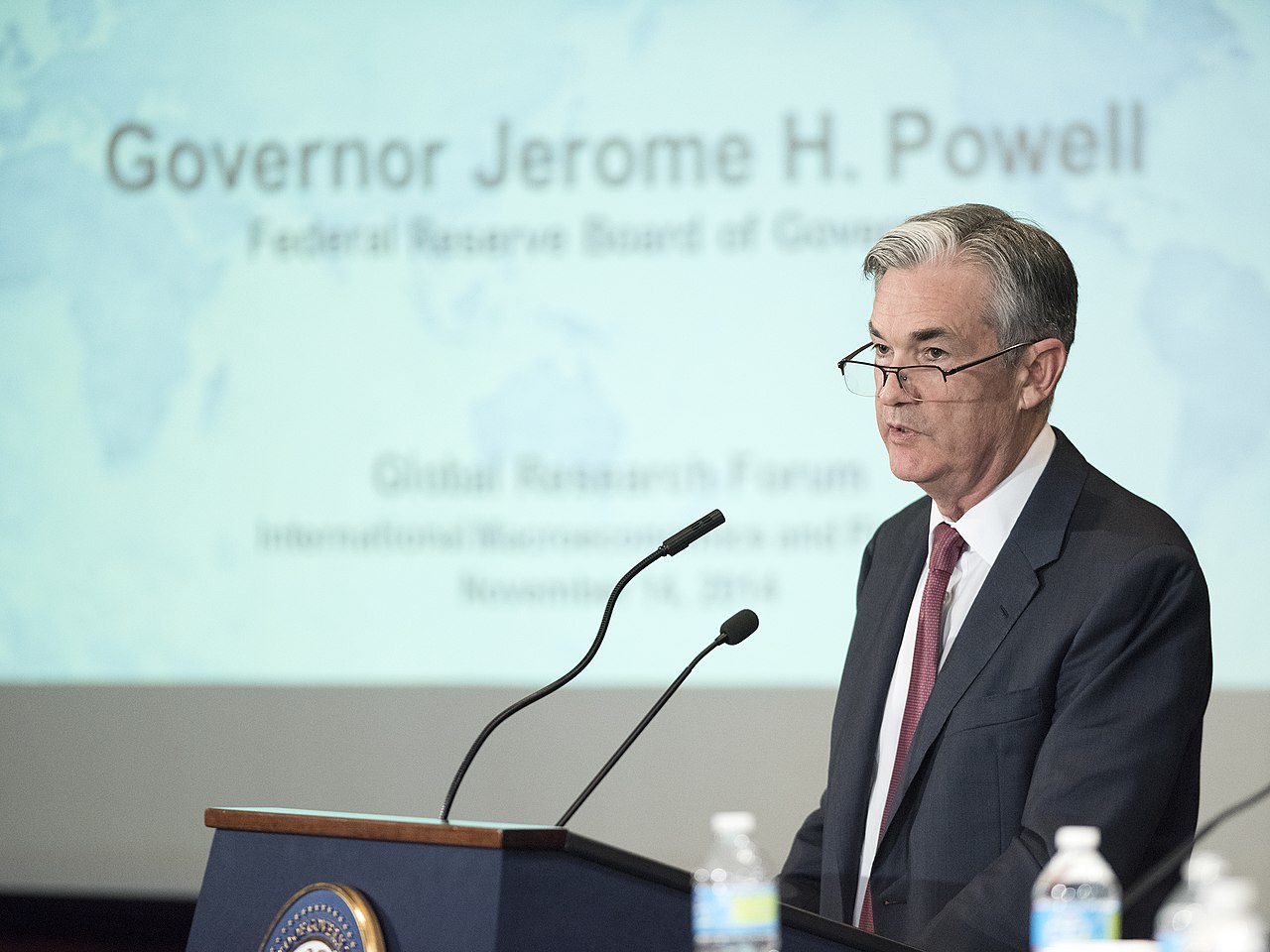
Federal Reserve Chair Jerome Powell warned on March 18 about a "zero employment growth equilibrium" that has "a feel of downside risk." Powell acknowledged the tension between inflation running at 3 percent core PCE—with 0.5-0.75 percentage points attributed to tariffs—and a labor market that's quietly deteriorating. The Fed's benchmark interest rates remain unchanged for the second straight meeting as policymakers balance inflation control against economic stagnation.
Goldman Sachs projects the oil price shock will suppress payroll growth by roughly 10,000 jobs per month through year-end, pushing unemployment to 4.6 percent by the third quarter of 2026. The investment bank forecasts leisure and hospitality will lose approximately 5,000 jobs monthly and retail trade another 2,000. Brent crude is projected to average $105 in March, spike to $115 in April, then retreat to $80 in the fourth quarter if Strait of Hormuz disruptions last about six weeks.
Structural dynamics are compounding the crisis. Reduced immigration is "quietly draining dynamism from the system," said Skanda Amarnath, executive director of Employ America. "Less population growth means less churn, fewer people switching jobs, and fewer new hires." Tariff policy uncertainty is keeping companies in hiring freezes, with the "DOGE effect" reducing federal payrolls by 327,000 since inauguration. "We're in a period of uncertainty, much like in 2025 with tariffs," said Matthew Martin, senior U.S. economist at Oxford Economics. "Companies weren't sure what the policy, what their cost structure was going to be, which led them to delay hiring."
Nicole Bachaud, labor economist at ZipRecruiter, described the result as "a locked-out market for new entrants, driven by a combination of stalled hiring and delayed retirements blocking the natural pipeline." The quits rate fell to 1.9 percent in February, marking eight consecutive months at or below 2 percent—an indicator that workers see few opportunities elsewhere.
Corporate responses are becoming more defensive as uncertainty persists. Unilever announced a three-month hiring freeze, citing "macroeconomic and geopolitical realities, especially in the Middle East conflict." While March ADP data showed private sector added 62,000 jobs—driven largely by small businesses under 20 employees adding 112,000 positions—the broader trend remains grim. The 2025 job creation averaged fewer than 10,000 net jobs per month, the weakest performance outside recession since 2002.
The question facing policymakers and economists is whether reducing policy uncertainty and regulatory burdens offers better solutions than increased government intervention. Yelena Shulyatyeva, senior U.S. economist at The Conference Board, noted, "Given the data on the eve of the Iran conflict, people are very confused and uncertain."
Heather Long offered a stark warning: "It is not inconceivable that companies go from no hiring to starting to fire in order to make their budgets work." As the hiring freeze deepens, the structural challenges of a wartime economy coupled with policy uncertainty create a perfect storm that threatens to reverse the modest gains of recent years.