Gas at $4 as Iran Bill Comes Due
American families face gasoline over $4 per gallon as Iran's Strait of Hormuz closure reveals the economic consequences of decades of diplomatic appeasement and delayed action.
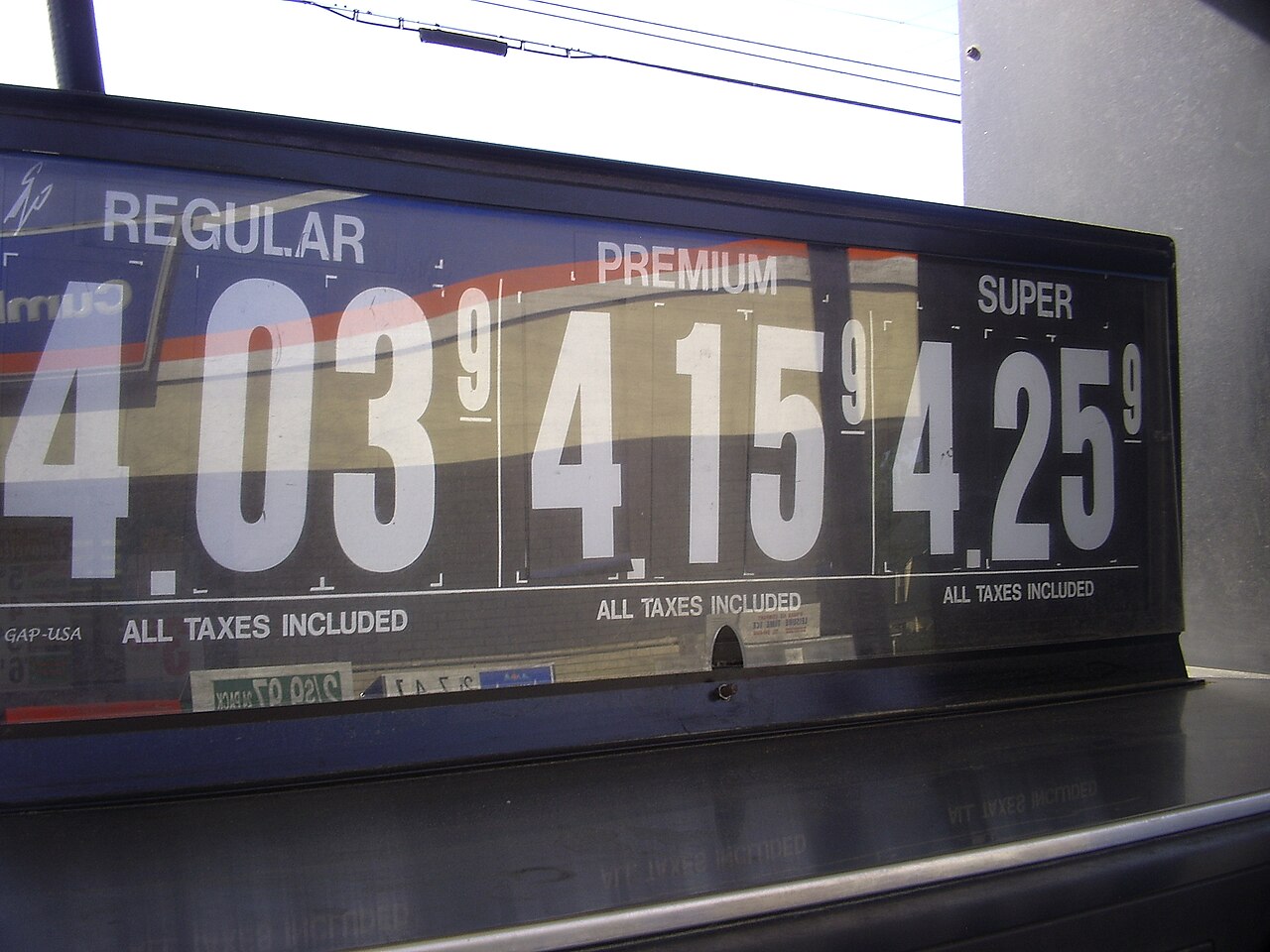
American drivers stared at pump prices on Monday with genuine shock as the national average for gasoline surged past $4 per gallon for the first time since 2022. GasBuddy reported prices at $4.018 nationwide, marking roughly a 36 percent jump from the $2.98 average recorded in February. Families that budgeted carefully in January now watch their monthly expenses dissolve at the pump.
That precise timing reveals the true story behind the pump pain. Drivers are not paying for a sudden oil shortage but for decades of Western appeasement that culminated in the 2015 nuclear deal empowering Iran to build the very infrastructure now blocking global oil routes. The connection between past policy and present suffering demands acknowledgment.
The mechanical cause traces directly to the Strait of Hormuz. Daily tanker transits plummeted from about 153 to 13 after Iran's Islamic Revolutionary Guard Corps declared the strategic waterway closed March 2, choking off 20 percent of global oil supply. War-risk insurance premiums soared to 3-5 percent of vessel value, stranding hundreds of ships and trapping thousands of seafarers.
Iran developed this disruptive capability largely with funds unlocked by the Joint Comprehensive Plan of Action. The Obama administration's signature foreign policy achievement provided Tehran with more than $100 billion in sanctions relief. Money meant to encourage peace instead financed power projection.
That prediction materialized as Iran expanded its missile program, proxy networks, and naval capabilities. "JCPOA wasn't comprehensive — didn't curb missile program or proxy network," said Daniel Byman, a senior fellow at RAND Corporation. "Sanctions relief gave Iran access to tens of billions in funds critics said would be used for 'nefarious ends.'"
The Biden administration's four-year return to diplomacy delayed confrontations with Tehran, allowing Iran's nuclear program to advance and its proxy militias to strengthen. That strategic procrastination extended the eventual cost by years and deepened today's economic pain. Time spent negotiating became time spent building threats.
President Trump launched Operation Epic Fury in late February to dismantle those threats once and for all. The campaign has destroyed more than 1,700 Iranian military targets and killed Supreme Leader Ali Khamenei in its opening hours. "This was the final, best chance to wipe out Iran's threat for good — so they can never have a nuclear weapon," Secretary of State Marco Rubio told Fox News.
Wall Street absorbed the war's economic shock throughout a disastrous first quarter. The S&P 500 fell 4.6 percent, its worst performance since 2022. The Nasdaq Composite plummeted 7.1 percent, while the Dow Jones Industrial Average dropped 3.6 percent.
Markets staged a one-day rally on Tuesday solely on speculation that Trump's scheduled primetime address might announce a ceasefire. The S&P 500 surged 2.9 percent, its best single-day gain in over 10 months. That dramatic move underscored how dependent financial markets have become on Middle East developments for direction.
Consumer confidence collapsed in tandem with the energy price surge. The University of Michigan's index fell 5.8 percent to 53.3 in March, its lowest level since December 2025. Inflation expectations jumped from 3.4 percent to 3.8 percent, the largest one-month increase since April 2025.
A new AP-NORC poll found 45 percent of U.S. adults "extremely" or "very" concerned about affording gas in coming months. Diesel prices climbed even faster, reaching $5.45 per gallon nationally for a 45 percent increase since hostilities began. Trucking companies pass these costs to grocery stores, which pass them to families.
The economic toll represents a stark tradeoff. American families are paying higher fuel costs now to eliminate a nuclear threat that was allowed to fester through successive administrations. "The war could end in two or three weeks — even without full Hormuz reopening," Trump told NPR Tuesday, suggesting military objectives might be achieved before shipping resumes fully.
Patrick De Haan, head of petroleum analysis at GasBuddy, warned prices could reach $4.50 or even $5 if the strait remains blocked. Jerry Siegel, senior economist at WisdomTree, noted gasoline is "the most visible price in the economy for consumers, and when that price jumps it hits psychology immediately."
The quarter's $1.04-per-gallon price increase serves as a tangible receipt for policies that traded short-term diplomatic calm for long-term strategic peril. American consumers are paying the overdue bill for a nuclear deal that funded the very threats requiring military dismantlement today.