Ontario Price Cap Forces FIFA to Delist Toronto World Cup Tickets
Ontario's sudden ticket price cap leaves World Cup fans in limbo after FIFA removes Toronto resale listings. Free-market experts warn the policy risks black markets and increased fraud for consumers.
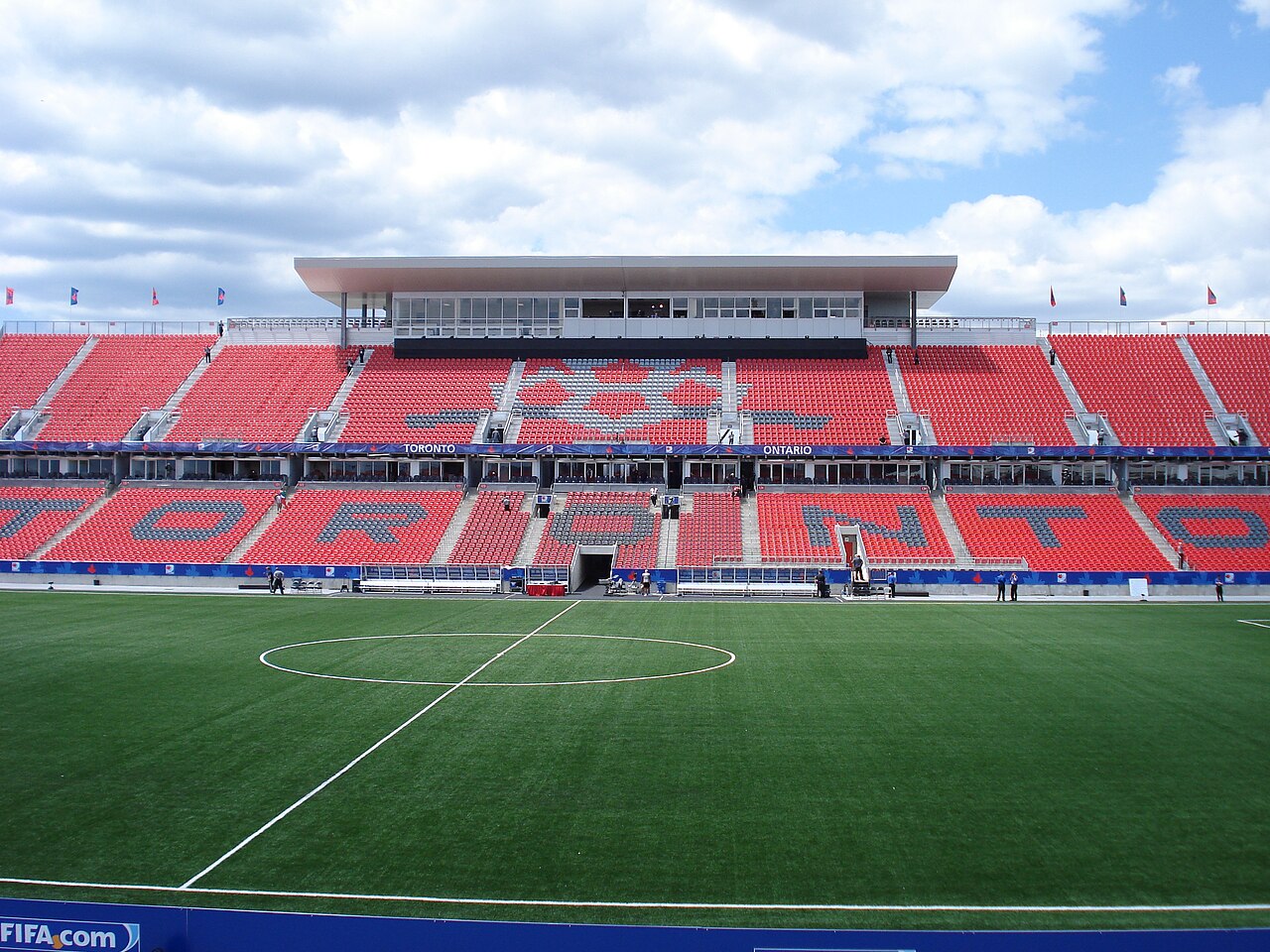
Toronto World Cup fans are scrambling without options. FIFA pulled all resale tickets from its official global marketplace on April 28, leaving the Canadian city as the sole host stripped of secondary listings. The disruption exposes the consequences of Ontario's sudden ticket price cap, a provincial mandate that has forced the world's largest soccer organization to halt operations in an entire city.
FIFA removed resale listings for Toronto's six World Cup matches, citing the need to reconfigure its platform to comply with Ontario's new law. The marketplace continues normal operations for all 15 other host cities. Toronto sits in temporary limbo, a direct result of government intervention distorting what should be a straightforward transaction between willing buyers and sellers.
The disruption traces to Bill 97, an omnibus budget bill that received Royal Assent on April 24. The legislation immediately banned reselling tickets above their original purchase price, with penalties reaching $250,000 for non-compliance. The market response has been chaotic rather than compliant, revealing the policy's fundamental unworkability.
Premier Doug Ford's government executed a complete reversal of its own economic principles. In 2019, the same Progressive Conservative government scrapped a previous resale cap, explicitly calling it "unenforceable" and warning it would drive transactions into black markets. Following sky-high prices for recent Blue Jays games, the government reversed course entirely. It passed the identical cap without committee debate.
StubHub continues to openly defy the new law, listing Toronto World Cup resale tickets well above face value. Lower-bowl seats for Canada's opening match against Bosnia-Herzegovina on June 12 are listed at $72,705 apiece. StubHub head of policy communications Jack Sterne stated that "many outstanding questions" remain regarding compliance.
"Price caps expose fans to a massive increase in ticket fraud, but don't bring costs down," StubHub said in an email. "We will continue to work with Ontario through the implementation process and remind the Government that they were right when they found price caps 'unenforceable' just a few years ago."
The province confirmed it is working with StubHub to achieve compliance. Enforcement remains untested.
Economists warn that capping resale prices simply pushes transactions underground rather than lowering costs for families trying to attend games. "If you cannot sell to the highest bidder legally, you will find a black-market way to do so," said Thomas Davidoff, associate professor at UBC's Sauder School of Business. "And once you are into black markets, there is less trust in the transaction, so there is less money for the seller, and of course, less protection for the buyer."
Industry experts note that fraud rates in jurisdictions with resale price caps are four times higher than in areas without them, according to analysis cited by the Sports Fans Coalition.
The legislation has drawn praise from Live Nation, Ticketmaster's parent company, which called the measures an "important step toward creating a more transparent resale market." Competitors argue the cap functions as anti-competitive regulation protecting Ticketmaster's monopoly.
"Ontario's ticket resale price caps are straight out of Ticketmaster's playbook," said Brian Hess, executive director of the Sports Fans Coalition. "When you tell fans they can't independently resell tickets, we end up more dependent on Ticketmaster. That's not consumer protection. That's monopoly protection."
Ticketmaster began delisting resale tickets effective April 23, notifying customers that listings will return after system updates. The company's immediate compliance contrasts sharply with StubHub's defiance.
Minister of Public and Business Service Delivery Stephen Crawford defended the cap, stating government aims to ensure "Ontario fans have access to fair resale prices and are not exploited by price gouging." The law requires secondary sellers to provide proof of original ticket prices before listings can be facilitated.
The legislation advanced rapidly through the legislature, passing second reading 66-37 without committee debate or public hearings. A Leger poll cited by the Sports Fans Coalition found 85 percent of Ontarians believe they should have the right to resell purchased tickets, with 53 percent supporting the ability to set their own resale price.
FIFA operates its resale marketplace with a 15 percent surcharge from both buyer and seller, with no price cap on listings. Before the delisting, one seller had listed a Category 3 ticket for the World Cup final at nearly $11.5 million on FIFA's platform.
Sports Fans Coalition analysis found that across Toronto's four major professional sports teams, fans saved more than $10 million from 2021 through 2025 by buying resale tickets below face value. Nearly 43 percent of Blue Jays resale tickets sold at discounts during that period.
The Ontario price cap demonstrates how well-intentioned government intervention distorts free markets and disrupts global commerce. By prioritizing political posturing over economic reality, the Ford government has left fans with fewer choices, higher risks of fraud, and a reinforced monopoly in ticket sales.