Federal Debt Surpasses GDP as Interest Costs Top $1 Trillion
"U.S. public debt eclipses economic output for the first time since World War II, reaching $31.27 trillion as mandatory spending and interest payments drive a structural fiscal crisis that threatens American economic security.
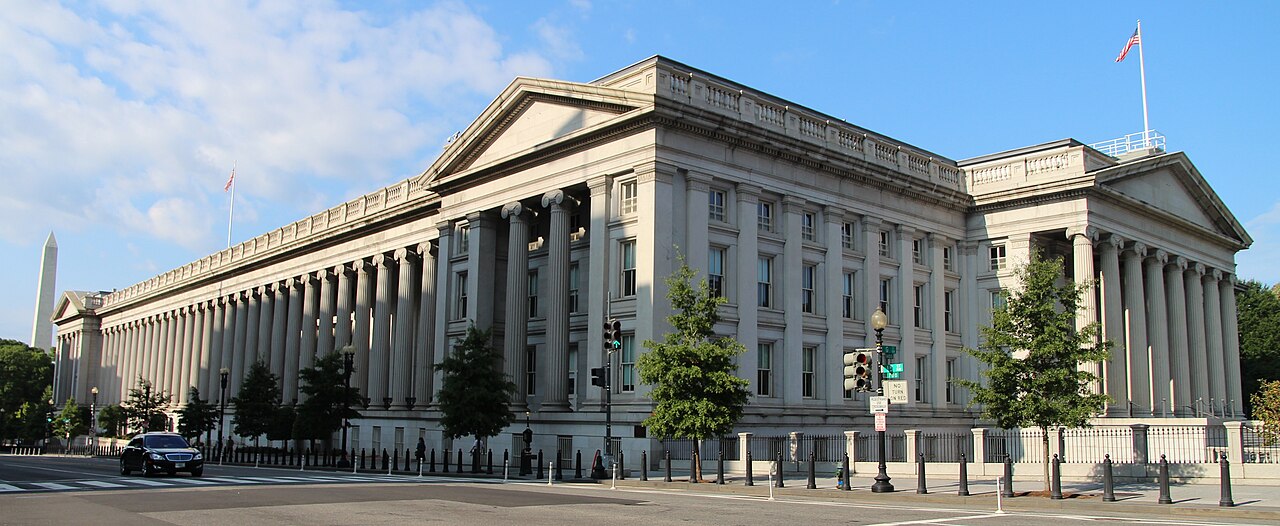
Americans now owe more than the country produces. Debt held by the public reached $31.27 trillion, eclipsing $31.22 trillion in economic output for the first time since World War II ended in 1946. The milestone reflects decades of bipartisan entitlement expansion and structural overspending that will burden future generations.
The Congressional Budget Office projects a $1.9 trillion deficit for fiscal year 2026, the third largest in American history. Debt is on track to reach 120 percent of GDP by 2036. The federal government borrowed $1 trillion in just the first five months of FY2026, signaling a structural crisis rather than a cyclical problem.
Mandatory spending and interest payments now drive the debt spiral. Social Security accounts for 22 percent of all federal spending, while Medicare represents 14 percent. National defense consumes only 13 percent. Interest payments at 14 percent already exceed defense spending and are projected to reach $2.1 trillion by 2036.
Every dollar borrowed sends 66 cents toward interest on existing debt. The result is a compounding fiscal trap that grows more severe with each passing year. Maya MacGuineas, president of the Committee for a Responsible Federal Budget, states the borrowing "isn't borne from a seismic global conflict, but rather a total bipartisan abdication of making hard choices."
Recent policy changes accelerate but do not cause the underlying problem. The One Big Beautiful Bill Act adds $4.7 trillion to debt through 2035. February's Supreme Court ruling striking down IEEPA tariffs could increase deficits by another $2 trillion over the next decade, according to CRFB estimates.
Credit rating agencies warn of years of fiscal malpractice. Fitch Ratings maintains the U.S. at AA+ but warns "structurally large fiscal deficits will keep the U.S.'s debt burden far above that of other 'AA' category sovereigns." Moody's downgraded the country from Aaa to Aa1 in 2025, citing growing fiscal deficits and rising interest costs.
Ordinary Americans face higher mortgage rates and borrowing costs as the debt burden expands. Yale Budget Lab simulations show rising debt adds $600 to $2,300 annually to median-home mortgage interest payments. Economist Rachel Greszler, writing at The Hill and citing a Federal Reserve Bank of Dallas analysis, calculates that borrowing costs rose approximately 194 basis points since 2007. That translates to roughly $4,700 more per year on median home mortgages.
Interest payments now exceed 19 percent of federal revenue and are projected to reach 26 percent by 2036. Jonathan Williams, president of the American Legislative Exchange Council, warns "the current federal debt is clearly unsustainable." He cautions Americans "will pay the price in higher taxes and slowed economic growth and in the form of ugly price inflation."
The CRFB calls for $10 trillion in deficit reduction to reach a 3 percent of GDP deficit target. Treasury Secretary Scott Bessent supports the proposal. The debt-to-GDP ratio tripled from 32 percent in 2001 to 99 percent in 2025, proving the problem predates individual administrations.
Retired Admiral Mike Mullen summarizes the national security implications: "The most significant threat to our national security is our debt." With gross national debt breaching $39 trillion in March and interest costs creating a self-reinforcing spiral, Washington faces a structural crisis. The question is no longer whether the debt threatens American prosperity, but how long lawmakers will delay the reforms required to secure it.