Electric Airline EcoJet Crashes and Burns Before Taking Flight
EcoJet Airlines entered liquidation before ever carrying a passenger, unable to raise £20 million in funding. The collapse underscores the physics and economics that continue to ground hydrogen-electric aviation startups.
EcoJet Airlines promised to launch the world's first fully electric airline. Five employees watched that dream dissolve into liquidation on May 1, before the company ever carried a single passenger.
The Edinburgh startup failed to raise £20 million in funding and now has no material assets. It stands as another green energy venture that collapsed under the weight of basic economics and physics.
The Gazette notice confirmed Paul Dounis and Mark Harper from Opus Restructuring as joint liquidators. The company never operated a commercial flight. It never sold a ticket.
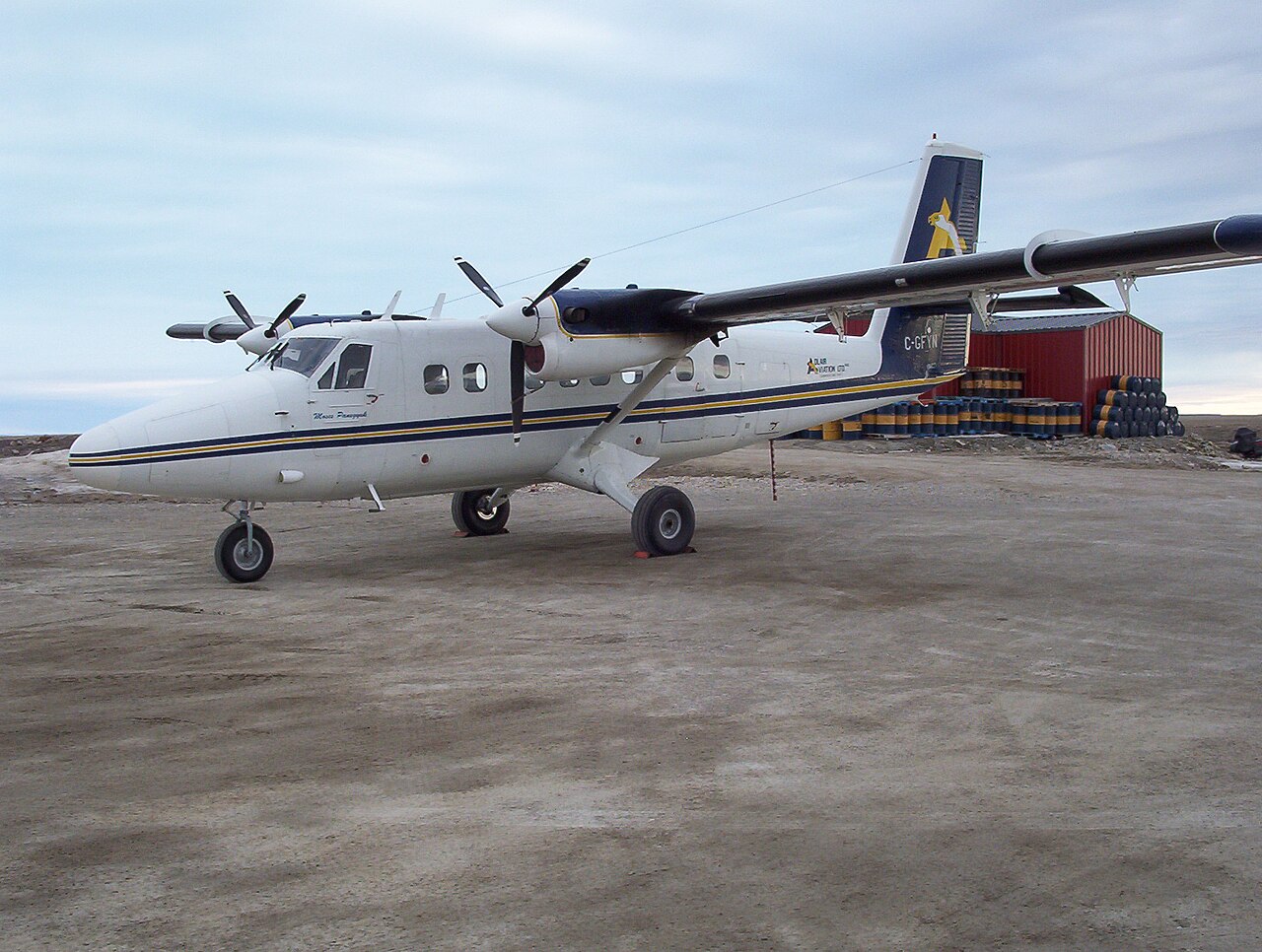
Founded in 2023 by Dale Vince, founder of green energy firm Ecotricity and owner of Forest Green Rovers football club, EcoJet planned to retrofit conventional aircraft with ZeroAvia's hydrogen-electric powertrains. Initial plans called for 19-seat De Havilland Canada DHC-6 Twin Otter aircraft on the Edinburgh-to-Southampton route. Longer-term ambitions stretched to 70-seat ATR 72s capable of 1,000-mile flights.
The company claimed its operations would save 90,000 tonnes of carbon annually. The numbers never materialized.
Court documents analyzed by Visaverge show EcoJet's paid-up capital never exceeded £120,000. Ecotricity invested more than £1 million for 17,000 shares in October 2024, but the money proved insufficient. The petition to wind up the company landed at Edinburgh Sheriff Court on January 13, 2026. Sheriff Roderick Flinn confirmed the winding-up order on February 12.
A spokesperson for Opus Restructuring stated plainly that "EcoJet was a start-up business and has no material assets." The company's members elected to fund the liquidation process so former employees received full statutory entitlements. All five employees, including the director, were made redundant in January.
EcoJet's collapse mirrors a pattern across the hydrogen-electric aviation sector. Universal Hydrogen, backed by GE Aviation, American Airlines, Airbus, JetBlue and Toyota venture arms, shut down in June 2024 after burning through $100 million in investor funding. Airbus has pushed back its ZEROe hydrogen aircraft timeline by 5 to 10 years from its 2035 target.
ZeroAvia, the only remaining major hydrogen-electric aviation developer with a flight-tested prototype, cut its workforce in half and delayed its certification timeline. The company completed a further financing round in December 2025, following its $116 million Series C funding round in November 2023.
Professor Rafael Palacios, head of aeronautics at Imperial College London, stated in The Guardian on May 6 that "jet fuel has doubled in price over the last two months or so, which is horrendous. If money was not an issue, the technology exists. But because money is an issue, the technology doesn't exist." Professor Mark Westwood of Cranfield University told the Royal Aeronautical Society that what is playing out is "the enthusiasm of engineers and scientists hitting the cold, hard facts of physics and economics."
While green aviation startups fail, the global energy crisis triggered by Iran's disruption of the Strait of Hormuz has made conventional aviation increasingly unprofitable. Jet fuel prices have risen 89 percent since February 2026, and 88 percent compared to the same period last year. Spirit Airlines ceased operations in May 2026 after failing to secure a $500 million rescue package. Ascend Airways, a UK-based wet-lease carrier, entered liquidation in early May 2026.
The International Energy Agency's Fatih Birol called the Iran war-induced crisis "the biggest crisis in history," worse than the 1973, 1979 and 2022 energy crises combined.
The aviation sector's pursuit of sustainability has reached what the Royal Aeronautical Society described as the "Trough of Disillusionment" on the Gartner Hype Cycle. The Dutch NLR's Destination 2050 roadmap downgraded hydrogen's contribution from 20 percent to just 6 percent of required emission savings by 2050.
The message from these developments is clear. When technology does not work, businesses fail regardless of how much they receive in subsidies or hype.
"We remain committed to electrifying all forms of transport – aviation is the last frontier and the hardest," Vince said. "It's taking longer than we hoped to get the technology and regulatory pieces of the puzzle in alignment, and so we're pausing work at this time."
The company's failure demonstrates that hydrogen-electric aviation technology cannot overcome basic physics and economics, regardless of political enthusiasm or green subsidies. This collapse joins a broader pattern of green energy startup failures that reveal market forces will not be overridden by political mandates.
Five employees who believed in a greener sky are jobless now. The physics that grounded EcoJet will not bend to political will.